Air Fryer Skirt Steak: Juicy & Easy
So you’ve got a beautiful skirt steak and an air fryer sitting on the counter. The question is, are they a match made in heaven, or a recipe for a chewy disappointment? Getting a skirt steak air fryer meal right isn't about just tossing it in and hoping, it's about understanding the unique strengths and limitations of both the cut and the appliance.
Research into cooking techniques shows that convection heat behaves differently than direct flame, which changes the game for a thin, flavorful steak like this.
The good news is, with the right approach, your air fryer can deliver a fantastic skirt steak in under 15 minutes, with minimal mess and consistent results. The key benchmark is hitting an internal temperature of 130°F to 135°F for a perfect medium-rare, a sweet spot that keeps it tender. Let’s break down exactly how to make that happen, and more importantly, when you might want to reach for a different tool instead.
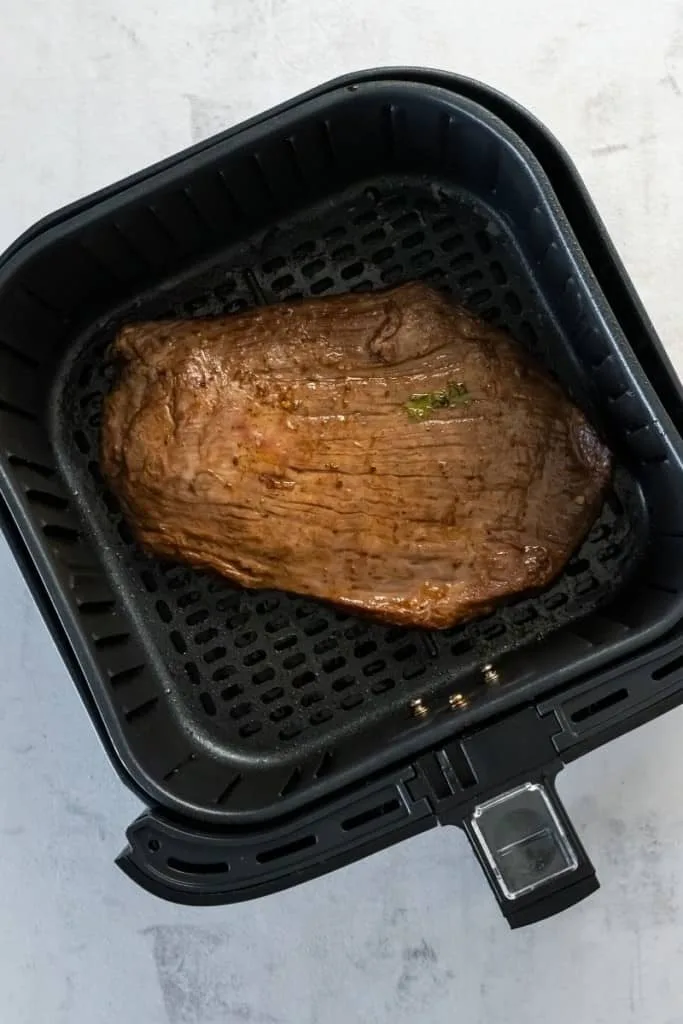
Image source: Bing (Web (fair-use with source credit))
Quick Answer
Yes, you can cook skirt steak in an air fryer. Preheat to 400°F. Cook a ½-inch thick steak for 6 minutes, flip, then cook 4 to鎮 6 minutes more.
Always use an instant-read thermometer. Pull it at 130°F for medium-rare. Rest for 5 to 10 minutes.
Slice thinly against the grain before serving. The air fryer excels at speed and convenience but cannot replicate a true grilled char.
Why Skirt Steak Is a Different Beast for Air Frying
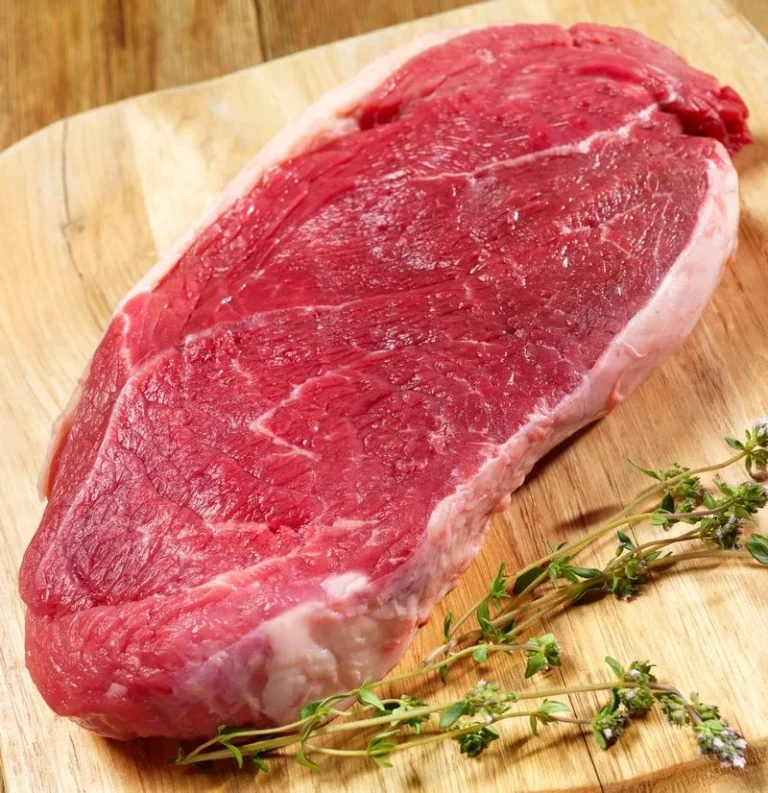
Skirt steak isn't like a thick ribeye or a filet. It’s a long, thin, heavily grained cut from the plate section of the cow. Those prominent muscle fibers are what give it an incredibly beefy flavor, but they also make it notoriously easy to overcook and turn tough.
It's a cut that demands respect for two things: high heat and precise timing.
In the air fryer, you're dealing with a powerful, focused convection oven. The hot air circulating rapidly cooks the meat evenly from all sides, which is a double-edged sword. On one hand, it minimizes cold spots and can cook the steak uniformly.
On the other, that all-around heat doesn't provide the intense, direct sear of a grill or cast iron skillet that creates a flavorful crust and locks in juices in the same way. This means the classic "sear first, then finish" method doesn't translate. The air fryer process is more about managing the steak's internal temperature climb from room temp to done, without that initial blast of crust-forming heat.
Because it's so thin, the window between perfectly medium-rare and overdone into chewy territory is incredibly narrow, often just a minute or two. That’s why relying on time alone is a gamble. Your best friend here is an instant-read thermometer.
It removes the guesswork and lets you pull the steak at the exact moment it hits your preferred doneness, which is critical for any successful air fryer steak recipe.
The Air Fryer’s Biggest Strength (and One Big Weakness)
Let’s lay the cards on the table. The air fryer’s superpower for skirt steak is convenience and consistency. You don’t need to fire up a grill, manage coals, or deal with a smoky kitchen from a searing hot skillet.
You preheat the appliance, add the steak, set a timer, and get remarkably even results every time. Cleanup is often just the basket, maybe a quick wipe. For a quick weeknight dinner, especially if you’re cooking for one or two, it’s hard to beat for sheer ease.
The appliance also promotes healthier cooking. You can achieve a great result with just a light spray of oil, far less than you’d use in a pan. The rapid convection air also renders the skirt steak's external fat nicely, which can add flavor without greasiness.
This makes it a fantastic tool for anyone focusing on high-protein, lower-fat meals, or for those who love experimenting with different shredded chicken creations for easy lunches.
The major weakness, however, is flavor depth and texture. An air fryer cannot produce the smoky, charred, slightly bitter crust (the Maillard reaction at its finest) that a grill or even a blistering cast iron skillet delivers. That crust isn't just taste, it's textural contrast, a slight crunch giving way to a tender interior.
The air fryer gives you a more uniformly browned exterior. It's delicious, but it's a different profile. If you're craving that classic backyard barbecue char, you'll be disappointed.
It’s also not ideal for large quantities; overcrowding the basket leads to steaming and uneven cooking, so it's best for a single steak or two at most.
Step-by-Step: How to Cook Skirt Steak in an Air Fryer
Follow these steps for a reliably tender and flavorful result. The goal is to maximize the air fryer's even cooking while compensating for its lack of direct sear.
- Prep the Steak: Pat the skirt steak completely dry with paper towels. This is non-negotiable. Moisture on the surface steams the meat instead of letting it brown. If you have time, let it sit uncovered on a rack in the fridge for an hour, this dries the surface even more for better browning.
- Season Generously: Season both sides liberally with kosher salt and black pepper. You can use a simple dry rub or a marinade, but if you marinate, pat it dry again before cooking. For a flavor boost reminiscent of your favorite air fryer chicken tacos, try a sprinkle of chili powder, cumin, and garlic powder.
- Preheat the Air Fryer: Set your air fryer to 400°F and let it preheat for 3-5 minutes. Preheating ensures immediate, aggressive cooking, which helps mimic a sear.
- Cook in a Single Layer: Place the steak in the basket in a single layer, ensuring no parts are overlapping or folded. Overcrowding is the enemy of crispness. If your steak is very long, you may need to cut it in half.
- Cook and Flip: Cook for 6 minutes. Open the basket, flip the steak using tongs. Continue cooking for another 4 to 6 minutes. This is where the thermometer becomes essential.
- Check Temperature Early and Often: Start checking the internal temperature with an instant-read thermometer at the 4-minute mark after flipping. For medium-rare, you're aiming to pull it at 130°F to 135°F. Remember, the temperature will rise another 5 degrees or so while resting (carryover cooking).
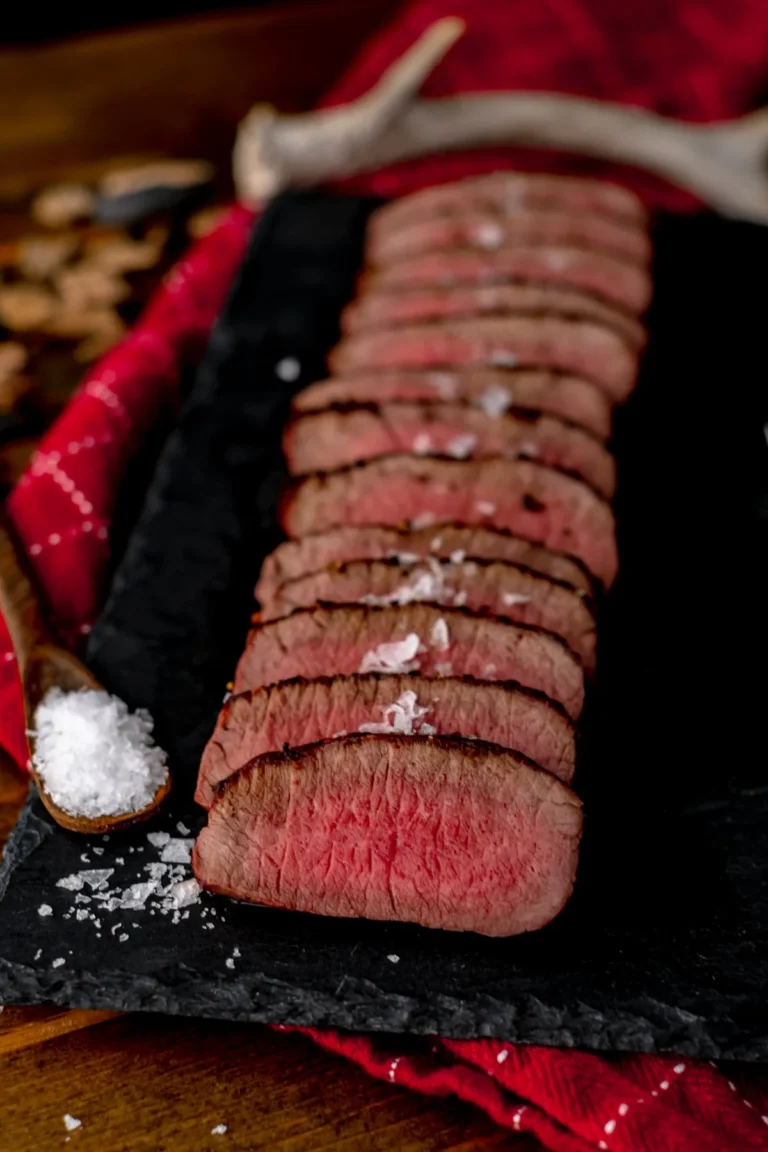
- Rest and Slice: Transfer the steak to a cutting board and let it rest, uncovered, for 5 to 10 minutes. This allows the juices to redistribute. Then, using a sharp knife, slice it against the grain into thin strips. This shortens the long muscle fibers and is the single most important step for ensuring tenderness.
The Make-or-Break Data: Time, Temperature, and Texture
Guessing doesn't work with skirt steak. You need hard data. The following table outlines the target temperatures and the corresponding visual and textural cues you should expect.
These guidelines are based on USDA food safety recommendations and standard culinary practice for beef steaks.
| Doneness | Target Internal Temp (F) | Final Temp After Rest (F) | Texture & Appearance |
|---|---|---|---|
| Rare | 120°F – 125°F | 125°F – 130°F | Very red center, soft, cool. Not recommended for thin cuts. |
| Medium-Rare | 130°F – 135°F | 135°F – 140°F | Warm red center, juicy, tender. Ideal for skirt steak. |
| Medium | 140°F – 145°F | 145°F – 150°F | Pink center, slightly firmer. Starts to risk toughness. |
| Medium-Well | 150°F – 155°F | 155°F – 160°F | Slight hint of pink, much firmer. Likely to be chewy. |
| Well-Done | 160°F+ | 165°F+ | Gray throughout, tough, dry. Not recommended. |
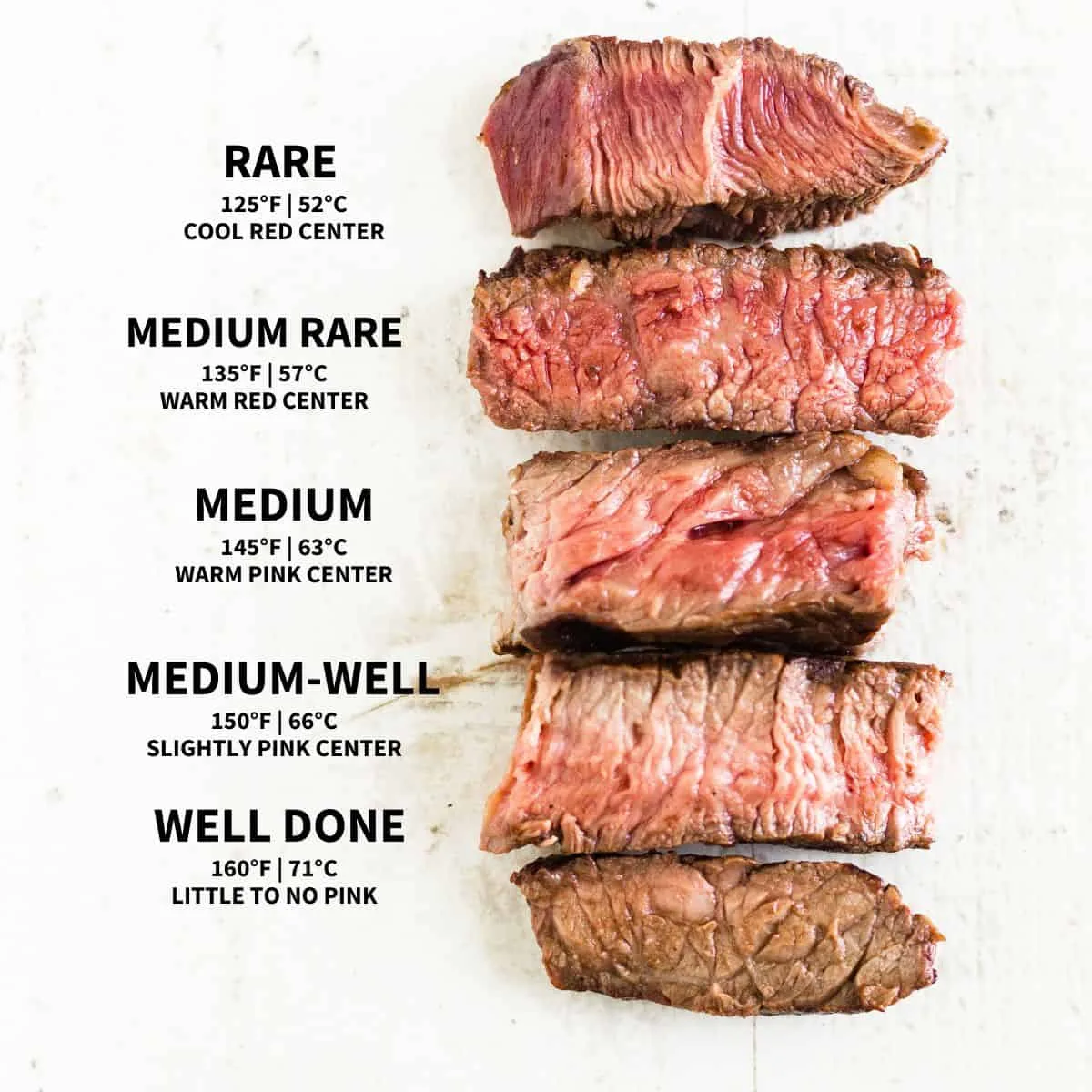
Image source: Bing (Web (fair-use with source credit))
A crucial note on safety: The USDA recommends a minimum safe temperature of 145°F for beef, followed by a 3-minute rest, to ensure harmful bacteria are destroyed. For a full breakdown of official guidelines, you can reference the USDA's safe minimum cooking temperatures. Many cooks prefer medium-rare (130°F-135°F) for premium cuts like skirt steak, understanding that whole-muscle cuts have lower risk than ground beef.
This is a personal judgment call based on your comfort level and the quality of your meat source.
Carryover cooking is real. When you pull the steak from the air fryer, its internal temperature continues to rise for several minutes. This is why you pull it 5-10 degrees below your target final temperature. If you want it to finish at 140°F (medium), pull it at 130°F.
Time is a guide, not a rule. A thicker ¾-inch steak will need longer than a ½-inch one. The wattage and model of your air fryer also affect cook times. Our research indicates that for a standard ½-inch thick skirt steak, total cook time at 400°F typically falls between 8 and 12 minutes.
Always let the thermometer, not the clock, have the final say. This principle of temperature-driven cooking applies to many proteins, whether you're perfecting a juicy roasted chicken sandwich or a steak.
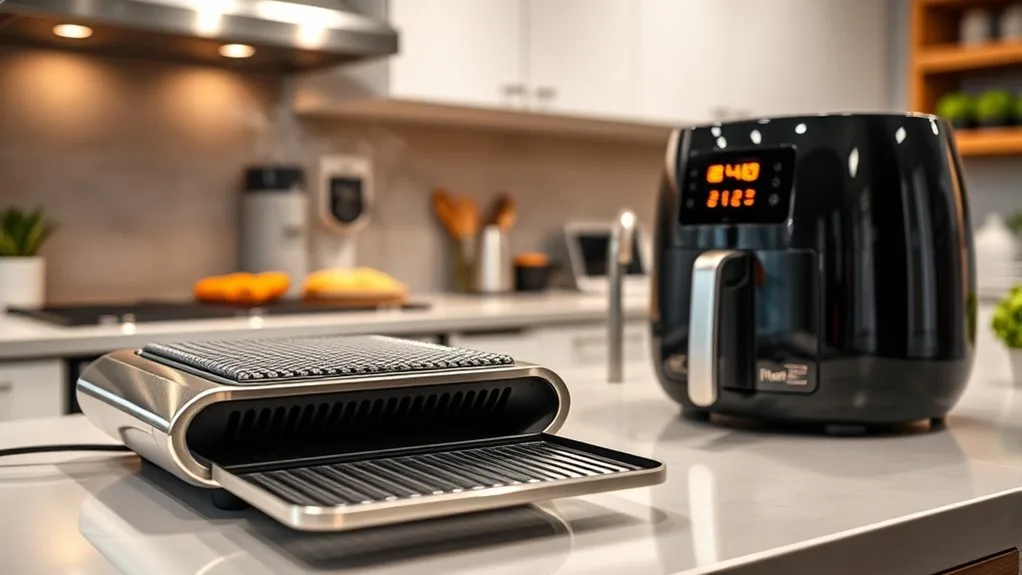
Image source: Bing (Web (fair-use with source credit))
The Classic Grill vs. The Air Fryer Basket
This is the showdown most people care about. The grill is the traditional champion for skirt steak, and for good reason.
A charcoal or gas grill provides intense, direct radiant heat. It creates that coveted smoky char and deep, complex crust through the Maillard reaction. The fat drips and flames up, adding another layer of flavor.
For many, this is the only "right" way to cook a skirt steak, especially for a weekend barbecue or when feeding a crowd.
The air fryer, as we've covered, is the convenience champion. It delivers consistent, relatively quick results with almost no setup or cleanup. There's no flare-ups to manage and less smoke in your kitchen.
The trade-off is that uniform browning versus a true char.
Who wins? If your priority is maximum flavor, texture, and that authentic grilled experience, the grill is unbeatable. If your priority is a fast, easy, no-fuss dinner on a Tuesday night with reliable results, the air fryer takes the crown. They're tools for different occasions.
Cast Iron Skillet: The Stovetop Standard
The cast iron skillet is the indoor cook's best tool for replicating a grill-like sear. You get it screaming hot, add a little oil, and lay the steak down for that satisfying sizzle. It creates an incredible crust and allows for excellent control.
You can also use the pan's residual heat with butter and herbs for a flavorful pan sauce.
Compared to the air fryer, the skillet method requires more active attention. You're managing splatter, watching for smoke points, and flipping manually. It's also messier.
The air fryer is largely a "set and forget" process until the timer goes off.
Who wins? The cast iron skillet wins for crust development and flavor potential from fond and pan sauces. The air fryer wins for hands-off cooking, easier cleanup, and consistent doneness with less risk of overcooking one side. Choose the skillet when you want a restaurant-quality sear.
Choose the air fryer when you want simplicity.
The Broiler & Other Kitchen Alternatives
Your oven's broiler is another high-heat option. It cooks from above with intense radiant heat, similar to an upside-down grill. It can produce a nice char on the top, but it often cooks less evenly than an air fryer's convection fan.
You also need to preheat a broiler pan, which takes time.
A traditional oven bake or roast is generally not recommended for skirt steak. The slower, ambient heat lacks the intensity needed for this thin cut, often resulting in overcooked edges before the center is done.
Sous vide is a fascinating contrast. It involves cooking the steak in a precisely temperature-controlled water bath for a long time, then searing it briefly. This yields incredibly even, edge-to-edge doneness and maximum tenderness.
However, it requires specialized equipment and much more time, making it the opposite of a quick air fryer meal.
Who wins? For speed and balanced results, the air fryer beats the broiler and standard oven. For ultimate precision and tenderness, sous vide wins but demands more effort. The air fryer sits comfortably in the middle, offering a great balance of speed and quality for everyday cooking.
Comparison Breakdown: Which Method Wins When?
Let's make the choice clear with a side-by-side look at key factors. This table synthesizes editorial analysis of common cooking outcomes.
| Factor | Grill | Cast Iron Skillet | Air Fryer | Sous Vide |
|---|---|---|---|---|
| Best For | Flavor, char, crowds | Crust, pan sauces, control | Speed, convenience, consistency | Precision, tenderness |
| Active Time | Medium-High | High | Low | Low (high for sear) |
| Cleanup Effort | Medium-High | High | Low | Medium |
| Flavor Depth | Excellent (smoky) | Excellent (sear/fond) | Good (browned) | Good (requires sear) |
| Consistency | Medium (skill-dependent) | Medium (skill-dependent) | High | Excellent |
| Ideal Setting | Weekend BBQ, outdoor meal | Date night, focused cooking | Weeknight dinner, small batch | Meal prep, special occasion |
Speed & Convenience Winner
The air fryer wins outright. From preheat to plate, it's often under 20 minutes with minimal active work. There's no outdoor setup, no managing a smoking pan, and cleanup is a breeze.
It's the ultimate "I'm tired but want a good steak" tool.
Flavor & Sear Winner
The grill takes the top spot for unmatched smoky, charred flavor. The cast iron skillet is a very close second, delivering that phenomenal crust and fond for sauces. The air fryer provides tasty browning but can't compete on this specific front.
Consistency & Ease Winner
The air fryer wins on consistency, thanks to its programmable settings and even convection heat. It removes a lot of the guesswork and skill variables present in grilling or pan-searing. Sous vide is more consistent in doneness but far less convenient overall.
Best for Small Portions & Quick Dinners
Again, the air fryer is the clear choice. It's perfectly sized for one or two steaks, heats up quickly, and integrates seamlessly into a busy weeknight routine. It's also ideal for apartments or any situation where grilling isn't an option.
The 3 Most Common Skirt Steak Air Fryer Mistakes
Even with the right tool, you can end up with a tough steak. Here are the pitfalls to avoid.
1. Skipping the Pat-Dry Step. This is the number one reason for a steamed, gray steak instead of a browned one. Surface moisture is the enemy of the Maillard reaction.
Always pat your steak thoroughly dry with paper towels before seasoning, even if it was marinated. This simple step makes a dramatic difference in the final color and texture.
2. Overcrowding the Basket. You might be tempted to cook a whole long skirt steak in one piece. Don't.
If it's folded or overlapping, the trapped steam will cook those sections unevenly, making them chewy. Cut it to fit in a single layer. It's better to cook in two batches than to ruin one batch.
3. Slicing With the Grain. You can nail the temperature perfectly, but if you slice the steak with the grain (parallel to those long fibers), each bite will be a long, tough chew. Always identify the direction of the muscle fibers and slice perpendicularly, across them.
This cuts the fibers short, making the steak tender. It's the final, non-negotiable step for any skirt steak recipe, whether from the grill or a quick air fryer meal.
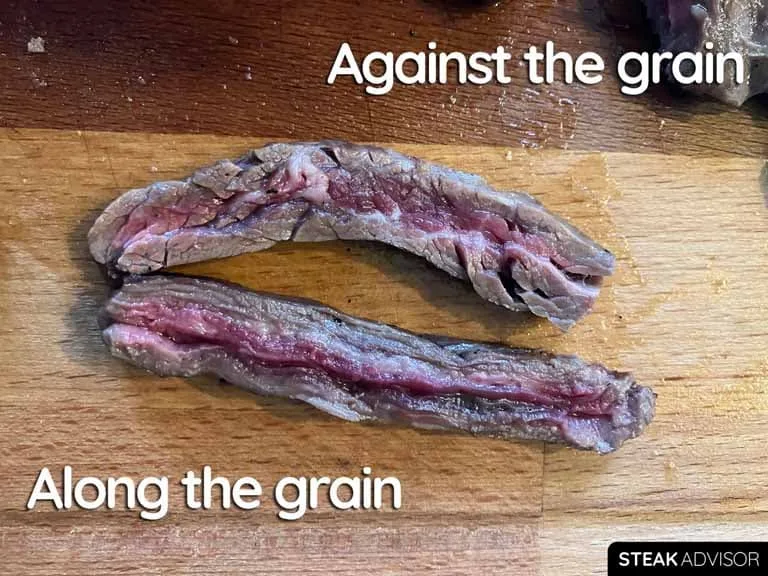
Image source: Bing (Web (fair-use with source credit))
Pro Tips for Maximizing Flavor and Tenderness
A few small tweaks can elevate your air fryer skirt steak from good to great.
Dry brine overnight. Salting the steak and leaving it uncovered on a rack in the fridge for 6-24 hours does wonders. The salt penetrates deeply, seasoning the meat throughout and helping it retain moisture during cooking. The dry surface also browns much better.
Use a light oil spray. A quick spritz of avocado or canola oil on the steak right before cooking promotes even browning. It helps the seasoning stick and prevents any dry spots.
Don't skip the rest. Letting the steak rest after cooking is non-negotiable. It allows the tense muscle fibers to relax and reabsorb the juices. Slicing it immediately will leave all those flavorful juices on the cutting board, not in your steak.
Get creative with seasoning. While salt and pepper are classic, skirt steak loves bold flavors. Try a blend of smoked paprika, garlic powder, and a touch of brown sugar. You can also brush it with a bit of hot honey glaze in the last minute of cooking for a sweet and spicy kick.
Safety First: A Quick Word on Thermometers and Cleanliness
Food safety is straightforward but critical. Always use a clean, calibrated instant-read thermometer to check the thickest part of the steak. As of 2026, a digital thermometer remains the most reliable tool for this job.
Prevent cross-contamination. Use separate plates and utensils for raw and cooked meat. Wash your hands, cutting board, and any tools that touched the raw steak with hot, soapy water immediately.
If you're serving individuals with higher health risks, adhering to the USDA guideline of 145°F final temperature is the safest practice. The air fryer's even heat makes reaching and holding this temperature reliably easier than some other methods.
FAQs: Your Skirt Steak Air Fryer Questions, Answered
Can I cook frozen skirt steak in the air fryer?
We don't recommend it. Cooking a frozen skirt steak directly will result in an overcooked exterior and a cold, undercooked center. The thin cut doesn't thaw evenly in high heat.
Always thaw your steak completely in the fridge first for best results.
Why is my air fryer skirt steak tough?
Toughness usually comes from one of three issues. First, it's overcooked. Second, you sliced it with the grain instead of against it.
Third, you overcrowded the basket, causing it to steam instead of sear. Check your temperature, your slicing technique, and your basket space.
Do I need to add oil to the air fryer basket?
No, you don't oil the basket itself. The non-stick coating should be sufficient. Adding oil to the hot basket can cause smoking.
Instead, lightly spray or brush oil directly onto the surface of the steak before placing it in.
Can I marinate the steak before air frying?
Absolutely. A good marinade adds fantastic flavor. Just remember to pat the steak completely dry after marinating.
Excess wet marinade will prevent browning and can cause smoking in the air fryer.
What's the best way to reheat leftover skirt steak?
The air fryer is actually perfect for this. Reheat at 350°F for 2-3 minutes, just until warmed through. This method reheats without continuing to cook the steak significantly, helping it stay tender.
It beats the microwave, which can turn it rubbery.
What should I serve with air fryer skirt steak?
It's incredibly versatile. Slice it and serve over a salad, in tacos or fajitas, or alongside simple sides like roasted vegetables or creamy potato salad. The quick cook time means you can have a complete meal ready in minutes.
The Final Verdict: Should You Air Fry Your Skirt Steak?
Yes, you absolutely should, but with clear expectations. The air fryer is a fantastic tool for cooking skirt steak when your priorities are speed, convenience, and consistent results. It delivers a juicy, flavorful steak with minimal fuss and cleanup, perfect for a weeknight dinner.
It will not, however, give you the smoky char of a grill or the deep crust of a cast iron skillet. If that's what you're craving, use those tools instead.
Think of your air fryer as another reliable option in your cooking arsenal. For a fast, tasty, and surprisingly tender skirt steak with almost no mess, it's a method that genuinely works. Just remember the golden rules: pat it dry, don't overcrowd, watch the temperature, and always slice against the grain.