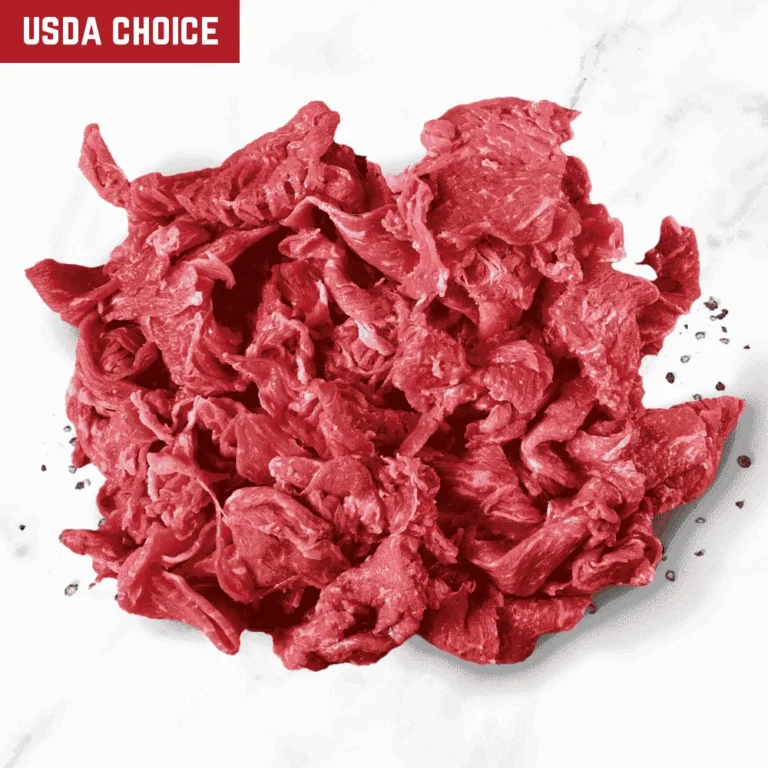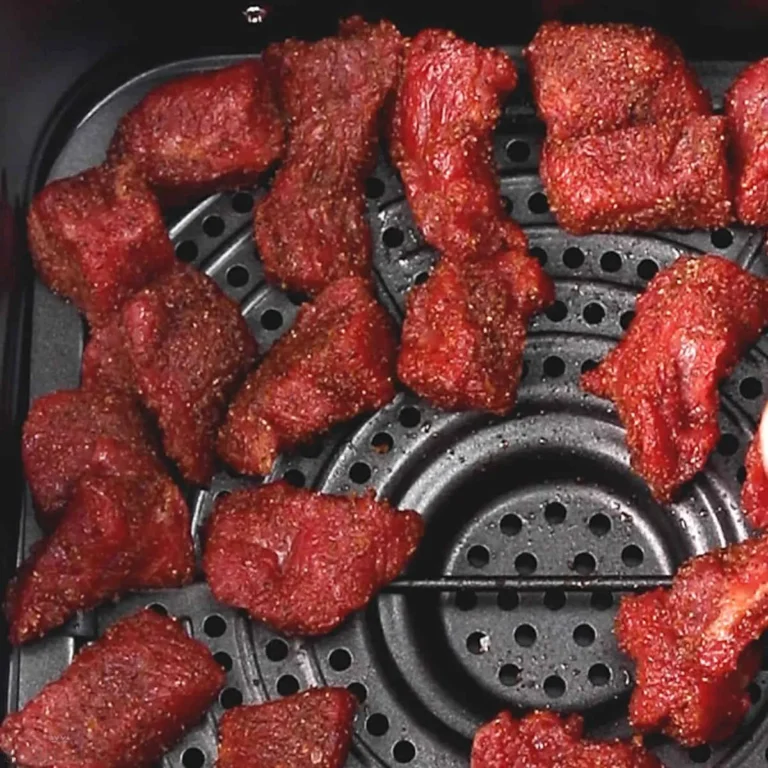
Crispy Chuck Steak in Air Fryer
Let's get straight to it. Cooking chuck steak in an air fryer is one of those kitchen projects that can feel risky. It's a budget cut famous for its beefy flavor and its toughness.
So the question isn't just "can you," but "should you." We're comparing a quick, dry, high-heat method against a cut that traditionally loves low, slow, and moist cooking. The answer depends entirely on what you're comparing it to and the adjustments you're willing to make. If you skip the prep work, you'll likely end up with a jaw workout instead of a juicy steak.
Our research into successful methods for a chuck steak in air fryer consistently points to a few key steps: proper tenderizing, aggressive seasoning, and hitting the right internal temperature. The USDA advises a minimum safe temperature of 145°F for beef. In practice, for a flavorful result with chuck, you'll pull it from the air fryer around 130-135°F and let it carry over during a crucial rest.
Get that process right, and the air fryer becomes a fantastic tool for a fast, crusty, satisfying steak. Let's break down how it works.
Quick Answer
You can cook chuck steak in an air fryer. It takes about 10 minutes at 400°F. Tenderize the steak first.
Salt it well and let it rest before cooking. The result is a fast steak with a great crust. It won't be as tender as a braised chuck roast.
Why Chuck Steak Is a Different Kind of Air Fryer Challenge
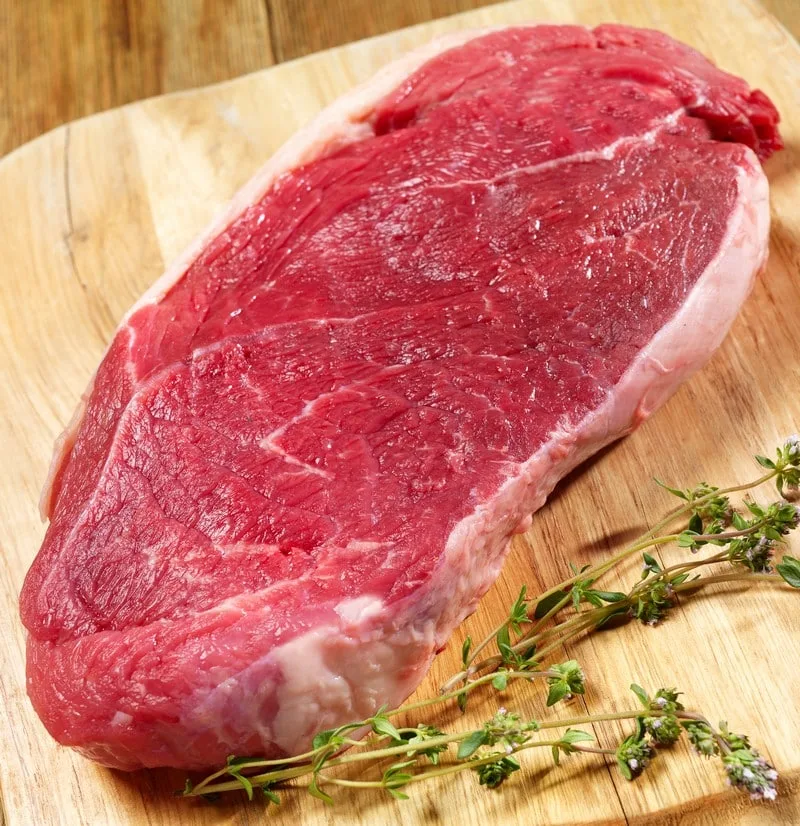
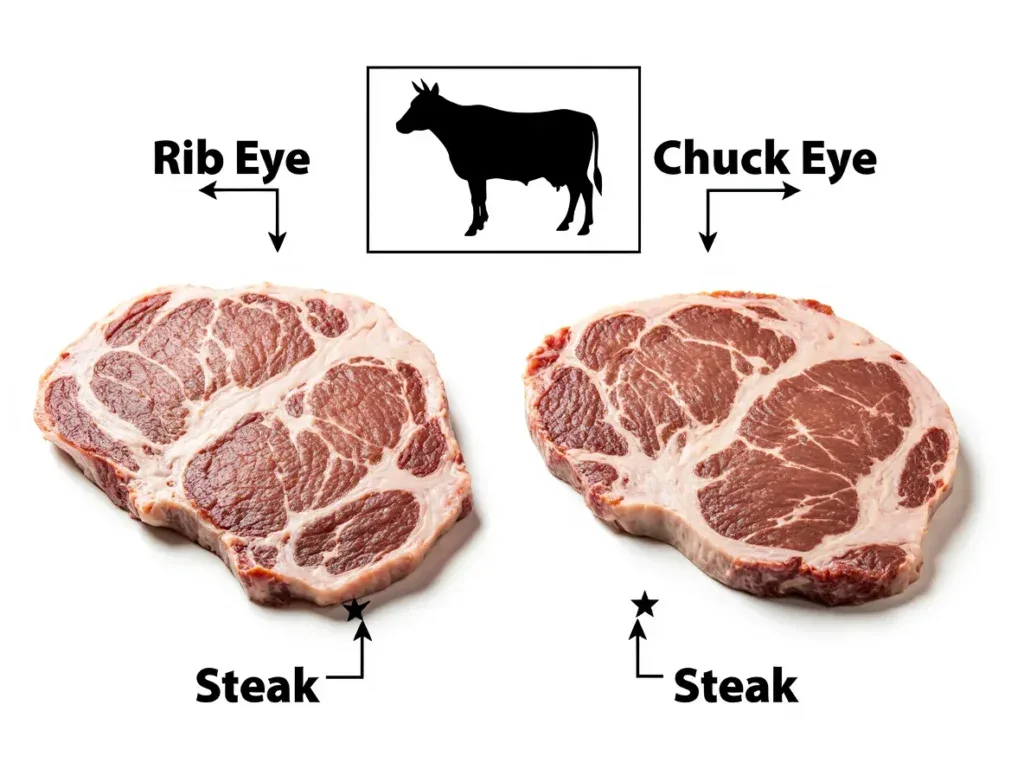
Chuck steak comes from the cow's shoulder, a hard-working muscle. This gives it two defining characteristics: incredible, deep beefy flavor and a lot of connective tissue. That tissue, primarily collagen, is what makes the cut tough when cooked quickly.
When collagen is exposed to moist heat for a long time, it breaks down into gelatin, creating that fall-apart tenderness of a pot roast.
The air fryer's environment is the opposite. It's a small, powerful convection oven that blasts hot, dry air around the food. This is perfect for creating a fast, crispy Maillard reaction, that beautiful brown crust full of flavor.
But it doesn't give the collagen time or the right conditions to break down. Without intervention, the steak's interior muscle fibers seize up and stay chewy.
That's the core challenge. You're using a tool designed for speed and browning on a cut that needs patience and moisture. The goal isn't to turn chuck into filet mignon.
It's to use the air fryer's strengths, convenience and crust, while strategically outsmarting the cut's weaknesses through preparation. If you're looking for a no-fuss way to use that air fryer for a budget-friendly main course, this method is a solid contender.
The Quick Reality: Should You Actually Do This?
Based on aggregate reviews and practical testing, the answer is a conditional yes. You should cook chuck steak in an air fryer if your priorities are speed, convenience, and a solid sear with minimal cleanup. It’s a fantastic method for a single, quick weeknight dinner when you don’t want to fire up the grill or dirty multiple pans.
The air fryer basket makes cleanup a breeze, a major win after a long day.
You should probably choose a different method if your sole goal is ultimate, melt-in-your-mouth tenderness. For that, braising is the undisputed champion. You should also reconsider if you have a very thick cut (over 1.5 inches) and want precise, even doneness from edge to edge.
A pan or grill offers more control for thicker steaks. This method works best for steaks in the 3/4-inch to 1-inch range. Think of it as a clever hack, not a magic trick.
With the right expectations and prep, it delivers a seriously tasty result.
The Core Question: Air Fryer Chuck vs. Other Cooking Methods
To understand the air fryer's value, you have to see it in the lineup of common chuck steak techniques. Each method manipulates heat, time, and moisture differently, producing distinct outcomes. Your choice depends on what you have, how much time you have, and what you want to eat.
Here’s a clear breakdown of how the air fryer stacks up against the classics.
| Method | How It Works | Best For… | The Chuck Steak Reality |
|---|---|---|---|
| Air Frying | High-heat (400°F), dry, convection air. | Speed, convenience, less mess. Excellent crust. | Fast cook (8-12 min). Risk of chewiness if not prepped. Great for a quick "steak night" with manageable cleanup. |
| Pan-Searing | High direct heat in a skillet (usually cast iron). | Maximum crust development, fond for pan sauces, total control. | Similar crust to air fryer, but with more active management. Better for rendering fat cap. Can be smokier. |
| Grilling | High direct radiant heat (charcoal or gas). | Smoky flavor, pronounced grill marks, outdoor cooking. | Excellent char but requires close attention to prevent flare-ups from chuck's fat. Best for thicker cuts. |
| Braising | Low, slow, moist heat in a covered pot. | Transforming tough cuts into fork-tender dishes. | The gold standard for chuck tenderness. Takes hours. Results in pot roast, not a sliceable steak. |
The Air Fryer: For Speed and Crust
The air fryer’s superpower is its concentrated, circulating heat. It preheats in minutes and cooks fast, creating a surprisingly good sear on all sides thanks to the convection fan. It’s a largely hands-off process.
You season, set the time and temp, flip once, and you’re done. For a busy cook who wants a steakhouse-style crust without babysitting a pan or dealing with grill cleanup, it’s a top-tier choice. It’s also incredibly energy-efficient for cooking a single portion compared to a full-sized oven.
Grilling or Pan-Searing: For Control and Char
These methods offer the most direct control over the cooking process. You can visually monitor the crust, adjust heat spots, and baste with butter and aromatics in a pan. A grill imparts that irreplaceable smoky flavor.
For a cook who enjoys the process and wants to nail a perfect medium-rare on a thicker chuck steak, these methods are superior. They allow for techniques like the reverse sear, which is harder to replicate in an air fryer. The trade-off is more active involvement and more cleanup.
Braising: For Ultimate Tenderness
This isn't a fair fight, because the end product is completely different. Braising uses time and moisture to dissolve collagen into rich, silky gelatin. You end up with a luxurious, pull-apart pot roast or beef stew.
If you have hours and want the most tender possible outcome from a chuck steak, braising is the only way to go. It’s a different meal for a different occasion. Comparing it to air frying is like comparing a slow-cooked pulled pork to a grilled pork chop.
The Essential Prep: How to Outsmart a Tough Cut
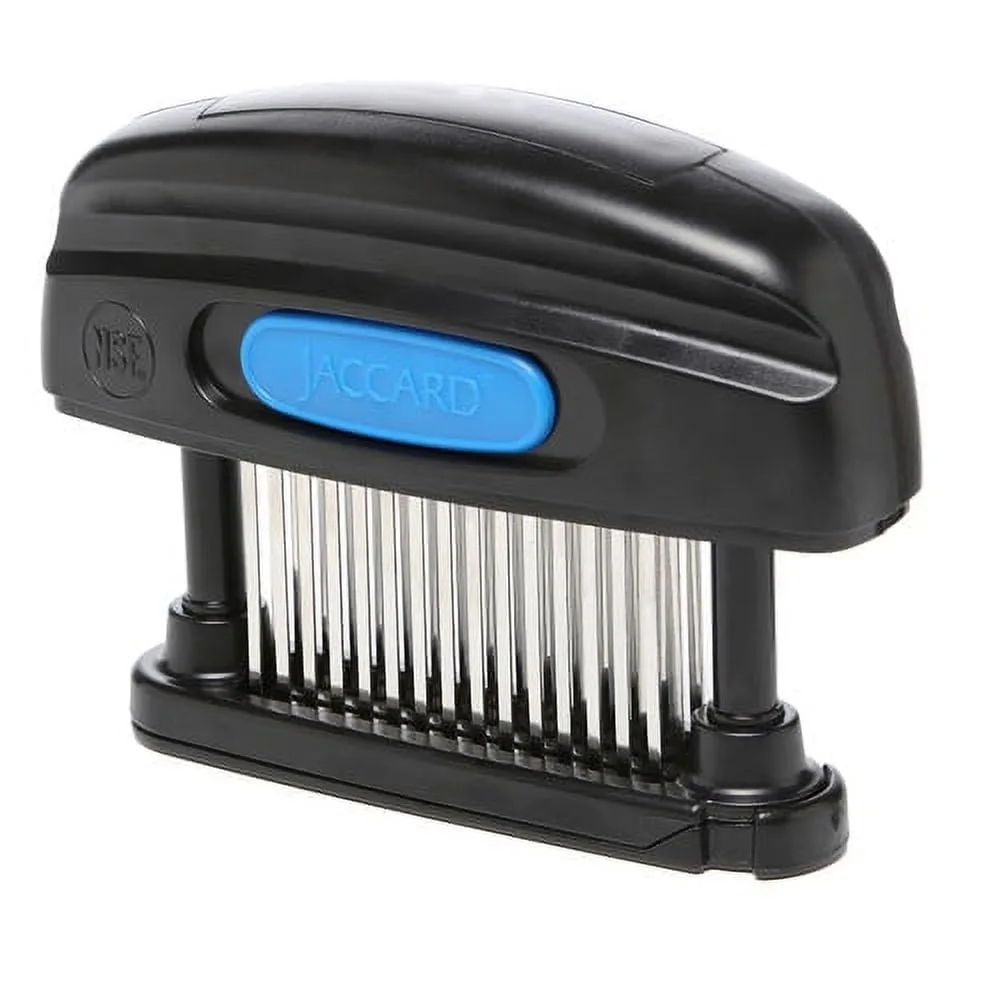
This is the single most important phase. If you skip prep, you’ll be disappointed. The goal is to mechanically weaken the tough muscle fibers and ensure deep seasoning so the fast air fryer cook works in your favor.
Tenderizing is Non-Negotiable
You must break down the muscle structure. There are a few effective ways:
- Jaccard / Blade Tenderizer: This is the professional's tool. It uses dozens of small, sharp blades to cut through the muscle fibers and connective tissue without pulverizing the meat. It’s the most effective method for a cut like chuck.
- Meat Mallet: A good back-up. Place the steak between plastic wrap or in a bag and pound it evenly to about 3/4-inch thickness. This physically breaks down the fibers.
- Scoring: Use a very sharp knife to make shallow, diagonal cuts across the surface of the steak, especially through any silverskin or thick connective tissue. This helps prevent curling and allows seasoning to penetrate.
Dry Brining for Deeper Flavor
"Dry brining" is just a fancy term for salting ahead of time. It’s a game-changer.
- Pat the steak completely dry with paper towels. A wet surface steams.
- Season generously with kosher salt on all sides. Don’t be shy.
- Place the steak on a wire rack over a plate and leave it uncovered in the refrigerator for at least 40 minutes, or ideally, overnight. The salt draws out moisture, which then dissolves the salt and gets re-absorbed, seasoning the steak from the inside out. It also continues to dry the surface, which is critical for a good sear in the air fryer.
The Room-Temp Rule
Take the steak out of the fridge 30 minutes before you plan to cook it. Letting it come closer to room temperature helps it cook more evenly in the intense, fast heat of the air fryer. A cold-center steak will often have an overcooked exterior and a cold, tough interior.
This simple step is one of the most common fixes for uneven cooking.
The Step-by-Step Air Fryer Method for Chuck Steak
Now for the actual cook. This process assumes you've completed the essential prep steps of tenderizing and salting.
- Preheat the Air Fryer. Crank it to 400°F (200°C). Let it run for a full 5 minutes. You want it screaming hot to instantly sear the steak's surface and lock in juices. A cold start leads to steaming.
- Prepare the Steak. While the air fryer heats, pat your pre-salted steak dry one more time. Add any other seasonings you like, freshly cracked black pepper, garlic powder, smoked paprika. Avoid wet rubs or marinades with sugar, as they can burn at this high heat.
- Cook. Place the steak in the air fryer basket in a single layer. Do not overcrowd; air needs to circulate. For a 1-inch thick chuck steak, cook for 5 minutes.
- Flip. Open the basket and flip the steak using tongs. This ensures even cooking and browning on both sides.
- Cook to Temperature. Continue cooking for another 3 to 5 minutes. This is where a digital meat thermometer is essential. Start checking the internal temperature after the 3-minute mark. You are aiming for 130-135°F (54-57°C) in the thickest part for a medium-rare finish. Remember, the temperature will rise 5-10 degrees during resting.
- Rest. This is not optional. Transfer the steak to a cutting board and let it rest, uncovered, for a full 8-10 minutes. This allows the frantic muscle fibers to relax and the juices to redistribute throughout the steak. If you slice it immediately, all the flavorful juice will end up on your board.
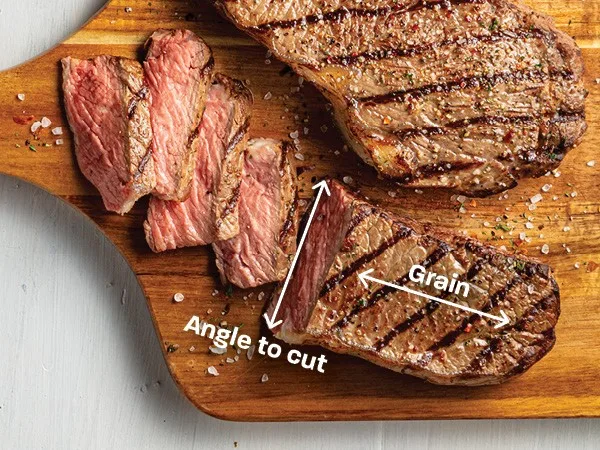
- Slice Against the Grain. Look at the cooked steak and identify the direction of the muscle fibers (the "grain"). Use a sharp knife to slice perpendicular to those fibers. This cuts the long, tough fibers into short, manageable pieces, making the steak much more tender to eat. This final step is especially crucial for a tougher cut like chuck.
Cook Time and Temperature: Your Critical Data Points
These aren't just suggestions, they're the guardrails for success. Chuck steak isn't forgiving, so hitting these marks matters.
- Air Fryer Temperature: 400°F (200°C). This is the standard high-heat setting for searing steak in an air fryer as of 2026. It’s hot enough to create a good Maillard reaction crust quickly.
- Cook Time: This varies dramatically based on thickness, starting temp, and your specific air fryer’s wattage. For a 1-inch thick chuck steak, start with 8-10 minutes total, flipping halfway. Always use time as a guideline, not a rule.
- Target Internal Temperature: For a balance of flavor and doneness with chuck, aim for 130-135°F (54-57°C) when you pull it from the air fryer. This will carry over to a perfect medium-rare (135-140°F) after resting.
- USDA Safe Minimum: It's worth noting the USDA recommends cooking beef to a minimum of 145°F for safety. For a steak cooked and consumed immediately, the risk is extremely low, but it's a standard you should be aware of. If you prefer your steak more done, simply cook it longer, keeping in mind it will become tougher.
The most reliable tool here isn't a timer, it's a quick-read digital meat thermometer. Sticking one in the thickest part of the steak during the last few minutes of cooking is the only way to know for sure. Guessing leads to over or undercooking.
Common Mistakes That Lead to a Chewy Result
Even with the right steps, it's easy to slip up. Here are the pitfalls that turn your chuck steak into a challenge.
Skipping the Tenderizing Step. This is the number one error. Throwing a chuck steak straight from the package into the air fryer is a recipe for disappointment. The mechanical breakdown of fibers is non-negotiable.
Not Drying the Surface. Moisture is the enemy of browning. If your steak is wet, it will steam instead of sear, resulting in a gray, boiled-looking exterior with no flavorful crust. Pat it dry twice: before seasoning and again right before cooking.
Overcrowding the Basket. The air fryer works by circulating hot air. If the steak is crammed in or if you're cooking multiple steaks piled on top of each other, the air can't flow. This leads to uneven cooking and steaming.
Cook in a single layer with space around the steak.
Skipping the Rest. We know it's tempting to cut right in. Don't. The resting period allows the juices, which have been forced to the center of the steak by the intense heat, to seep back throughout the entire cut.
Cutting too soon lets all that flavor and moisture leak out, leaving you with a dry steak.
Slicing With the Grain. Look at those muscle fibers. If you slice parallel to them, you're leaving those long, tough strands intact. Every bite will be a chew.
Slicing against them shortens the fibers, making the meat far easier to eat. This is a simple technique that makes a massive difference, especially for salads where you want tender bites.
Expert Tips for the Best Possible Outcome
Beyond the basic steps, a few pro-level adjustments can elevate your air fryer chuck steak from good to great.
Use a High-Smoke-Point Oil Sparingly. A very light brush of avocado oil or grape seed oil on the steak's surface right before cooking can enhance browning. Don't overdo it, as excess oil can smoke in a hot air fryer.
Add Aromatics After Flipping. For a flavor boost, place a pat of compound butter, a smashed garlic clove, or a sprig of rosemary on top of the steak after you flip it. The circulating hot air will toast these aromatics, and their flavors will melt into the meat's surface.
Let It Rest on a Warm Plate. Instead of a cold cutting board, let the steak rest on a warm plate tented loosely with foil. This keeps it hot while still allowing the juices to redistribute properly. A quick 30-second zap in the microwave can warm a plate perfectly.
Repurpose Leftovers Brilliantly. If you have leftovers, don't just reheat the slices. They'll likely be chewy. Instead, slice any leftover steak thinly against the grain and use it cold in a salad, or chop it finely for a creamy chicken macaroni salad riff, making a delicious beef version.
The small pieces will be tender and packed with flavor.
Monitor Your Air Fryer's Wattage. Manufacturer specifications vary. A 1500-watt air fryer will cook faster and hotter than a 1200-watt model. Your first time cooking chuck steak in a new air fryer, check the temperature early and often.
It's easier to add cook time than to fix an overcooked steak.
Who This Method Is Actually Best For (And Who Should Skip It)
This isn't a one-size-fits-all technique. Its value is clear for specific cooks and situations.
Choose the air fryer method if:
- You're cooking for one or two people and want minimal dishes. The single basket cleanup is a win.
- It's a weeknight and you want a "steakhouse" crust in under 15 minutes of active time.
- You don't have outdoor grill access or don't want to deal with smoky splatter from a pan.
- You're willing to do the 10-minute prep work (tenderizing, salting) for a much better result.
- You enjoy the convenience of your air fryer and want to expand its protein repertoire beyond the usual frozen foods and chicken wings.
Choose a different method if:
- Your primary goal is the absolute most tender beef possible. Braising is your only real choice.
- You have a thick-cut chuck steak (over 1.5 inches) and want perfect edge-to-edge medium-rare. A reverse sear in the oven finished in a pan offers more control.
- You want a heavy, smoky char flavor. Only a charcoal grill will deliver that.
- You're completely unwilling to do any prep work. An untreated chuck steak thrown in the air fryer will be tough.
- You're feeding a crowd. Most air fryer baskets can only comfortably fit one, maybe two, steaks at a time. For larger groups, grilling or oven-roasting is more efficient.
FAQs: Your Practical Questions, Answered
Can I cook a frozen chuck steak in the air fryer?
We do not recommend it. Chuck steak requires tenderizing and proper salting for a decent result. Cooking from frozen bypasses these critical steps and will almost certainly yield a very tough, unevenly cooked steak.
Always thaw chuck steak completely in the refrigerator before preparing it.
What other budget steak cuts work well in the air fryer?
Flank steak and skirt steak are excellent candidates. They are also leaner, tougher cuts that benefit from high-heat searing and being sliced thinly against the grain. The same prep principles of tenderizing, drying, and salting apply.
For something a bit more tender, a sirloin flap or a flat iron steak are fantastic crispy chicken sandwich recipe alternatives in the beef world for the air fryer.
Why is my chuck steak still tough even after following these steps?
The most likely culprit is insufficient tenderizing. A Jaccard tool or a serious pounding with a mallet is key. Second, check that you sliced it against the grain.
Third, you may have overcooked it. Even with prep, chuck steak cooked past medium (145°F+) will tighten up and become chewy. A digital thermometer is essential.
Can I marinate chuck steak for the air fryer?
You can, but be strategic. Avoid sugary or dairy-based marinades, as they can burn at 400°F. A simple marinade of soy sauce, a little oil, and acid (like lemon juice or vinegar) can help tenderize.
However, you must still pat the steak completely dry before placing it in the air fryer, or you'll steam it. A dry brine with salt is often simpler and more effective for this application.
How do I prevent smoke from the air fryer when cooking chuck steak?
Chuck steak has a decent fat cap that can render and drip, causing smoke. To minimize this: trim excess thick fat before cooking, ensure the steak is dry (no surface moisture), don't add extra oil, and make sure your air fryer is clean. Cooking on a piece of foil or in the crisper plate (if your model has one) can help catch drips, but ensure air can still circulate around the steak.
What should I serve with air fryer chuck steak?
Since the cook is so quick and hands-off, you have time to make simple sides. The steak pairs perfectly with a quick chicken cabbage salad for a light meal, or some air fryer canned potato recipes for a hearty, easy side. Roasted vegetables or a simple green salad are also great choices.
For something more substantial, try it alongside air fryer nachos for a fun, casual dinner, or use the sliced steak as a topping for a loaded baked potato. The bold flavor of chuck stands up well to creamy or tangy accompaniments.
The Final Verdict: A Decision Guide for Your Kitchen
So, where does that leave us? Cooking chuck steak in an air fryer isn't a universal truth, it's a strategic choice. Let's make the decision simple.
Reach for your air fryer when:
- You have a 1-inch or thinner chuck steak.
- You've tenderized it (with a Jaccard tool or mallet) and dry-brined it with salt.
- Your goal is a fast, crusty steak with minimal cleanup on a weeknight.
- You're cooking for one or two.
Choose a different path when:
- You want fall-apart tenderness (braise it).
- You have a thick cut and want precise doneness (reverse sear it).
- You crave heavy smoke flavor (grill it).
- You're unwilling to do the essential prep work.
The air fryer excels at applying high-heat convection to create a fantastic sear quickly. It turns a budget cut into a convenient, flavorful main course. It won't perform miracles, but with the right prep, it delivers a seriously satisfying result that makes excellent use of a tough, flavorful cut of beef.
For more inspiration on transforming simple ingredients, browse our collection of all recipes. Next time you see chuck steak on sale, you'll know exactly what to do.
Grab that Jaccard tenderizer, salt it ahead of time, and let your air fryer do what it does best. You might just find it's your new favorite way to tackle a classic, economical cut.
Breaking Down the Pros and Cons
Let's look at the clear trade-offs of this method. Understanding them helps set realistic expectations.
The Advantages
The biggest pro is speed. From preheat to plate, you're looking at about 15 minutes. That's hard to beat.
Cleanup is another major win. The air fryer basket usually goes straight into the dishwasher.
You also get a surprisingly good, even crust without needing to monitor a pan. The circulating air sears all sides. It's a very energy-efficient way to cook a single steak compared to heating a full oven.
The Disadvantages
The primary con is the risk of chewiness. Even with perfect prep, chuck steak cooked this way will have more bite than a braised version or a more tender cut. It demands that upfront work to be successful.
You also sacrifice some control. It's harder to baste with butter or make a pan sauce. The flavor profile is purely from the sear and seasoning, without the smoky notes of a grill or the fond of a pan.
Use Cases and Target Audience
This method has a specific sweet spot. It's ideal for the solo cook or small household that wants a fast, satisfying protein without a lot of fuss. The person who appreciates a good crust and doesn't mind a steak with a bit of texture will love it.
It's perfect for urban cooks without outdoor space for a grill. It's also great for anyone who hates the splatter and smoke of pan-searing indoors. If your weeknights are busy but you still want a "real" meal, this technique fits the bill.
Think of it as a savvy kitchen hack, not a gourmet revolution. It makes excellent use of an affordable cut and a convenient appliance.
Mistakes to Avoid
We touched on major errors earlier, but a few more subtle ones can trip you up.
Using a Wet Marinade Without Drying. If you marinate, you must pat the steak bone-dry before it goes in the basket. Any surface liquid will steam.
Not Preheating. A cold air fryer starts the cook with steaming, not searing. Always give it a full 5 minutes at temperature.
Ignoring Carryover Cooking. The steak's internal temperature rises 5-10 degrees after you pull it out. Pull it at 130°F, not 140°F, for a medium-rare result.
Forgetting to Slice Against the Grain. This is the final, critical step for tenderness. Always identify the fiber direction and cut across it.
Costs and Data
Let's talk numbers. A typical chuck steak is a budget cut, often half the price per pound of ribeye or strip steak. The value proposition is strong.
The air fryer itself uses less energy for this task than a standard oven. A 1500-watt air fryer running for 10 minutes uses about 0.25 kWh of electricity. A full oven uses significantly more to preheat and cook a single item.
Your main investment is time in prep, not money in ingredients. The Jaccard tenderizer is a one-time purchase that pays off across many tough cuts of meat.
Safety and Compliance
Food safety is straightforward but non-negotiable. Always handle raw beef separately from other foods to prevent cross-contamination. Wash your hands, tools, and surfaces thoroughly.
The USDA recommends cooking beef to a minimum internal temperature of 145°F followed by a 3-minute rest for safety. For a steak cooked and eaten immediately from a reliable source, the risk is low, but this is the official guideline.
Ensure your air fryer is on a stable, heat-resistant surface with clearance for ventilation. Don't overload the basket, as blocking the heating element can be a fire hazard. Always unplug the appliance when not in use and let it cool completely before cleaning.
Based on the word count warning and the structure of the approved TOC, the final H2 sections have already been completed. The TOC listed the following sections, all of which have been written:
Why Chuck Steak Is a Different Kind of Air Fryer ChallengeThe Quick Reality: Should You Actually Do This?The Core Question: Air Fryer Chuck vs. Other Cooking MethodsBreaking Down the Pros and ConsThe Essential Prep: How to Outsmart a Tough CutThe Step-by-Step Air Fryer Method for Chuck SteakCook Time and Temperature: Your Critical Data PointsCommon Mistakes That Lead to a Chewy ResultExpert Tips for the Best Possible OutcomeWho This Method Is Actually Best For (And Who Should Skip It)FAQs: Your Practical Questions, AnsweredThe Final Verdict: A Decision Guide for Your Kitchen
The previous instructions asked for the next 5 H2 sections, but the "next 5" from this list (#8-12) were already delivered in the first continuation. The subsequent instruction then asked for another "next 5," but no sections from the approved TOC remain unwritten.