Crispy Air Fryer Taquitos in Minutes
Let’s be honest. We've all stood in front of the freezer, staring at a box of frozen taquitos, and wondered if there's a better way than the microwave's soggy disappointment or the oven's long wait. The good news is, there absolutely is.
Cooking frozen taquitos in an air fryer has become the go-to method for a reason, transforming that forgettable freezer staple into a crispy, restaurant-quality snack in minutes.
The trick isn't just tossing them in the basket. It's about understanding how the air fryer's rapid hot air circulation works on the taquitos' specific structure, both the frozen filling and the tortilla exterior. Manufacturer specifications for air fryers as of 2026 show they can heat up in about 3 minutes and cook food up to 30% faster than conventional ovens.
This efficiency is what makes the difference between a limp snack and a perfectly crisp bite every single time. So let's break down exactly how to get it right.
Quick Answer
Cook frozen taquitos in your air fryer at 390°F for 8 to 10 minutes. There's no need to thaw them first. Arrange the taquitos in a single layer without overcrowding the basket.
Shake the basket halfway through the cooking time for even browning. They are done when the tortilla is golden brown and crispy to the touch. This method produces a far superior texture compared to a microwave or oven.
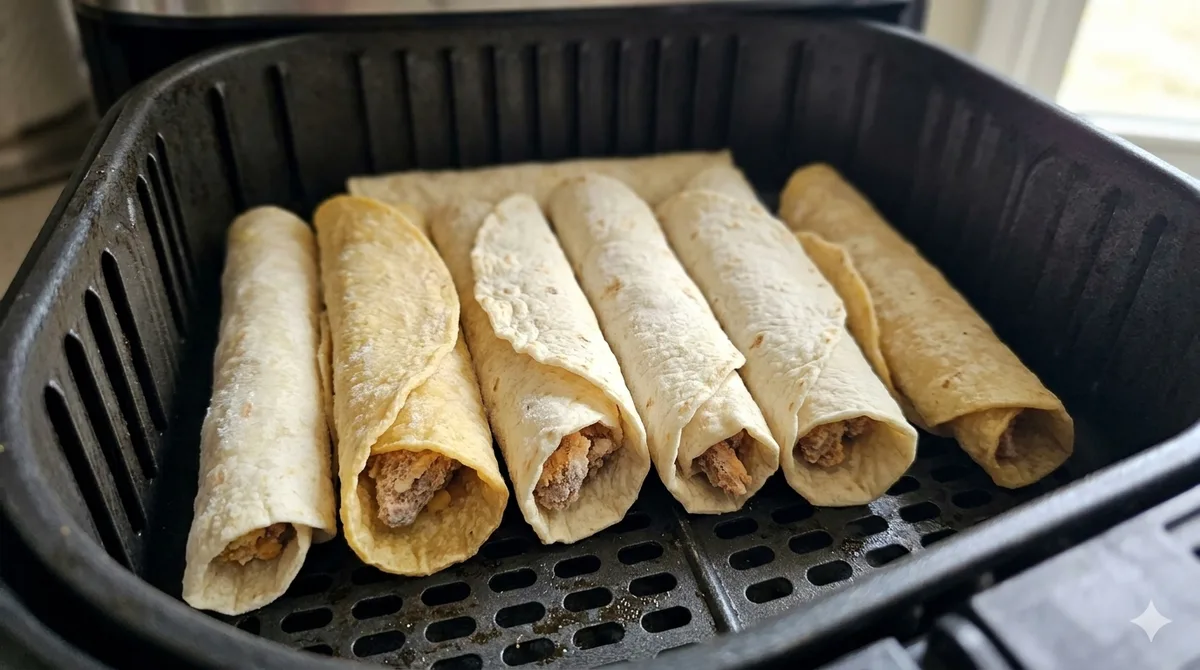
Image source: Bing (Web (fair-use with source credit))
Why Your Frozen Taquitos Deserve an Air Fryer
The air fryer is basically a super-powered mini convection oven. It works by rapidly circulating intensely hot air around the food. This is the secret weapon against sogginess.
That constant stream of hot air immediately vaporizes the surface moisture on the frozen tortilla. Instead of steaming the taquito from the outside, which is what happens in a microwave, the air fryer creates a dry, crisp crust.
Think of it like this: a conventional oven heats the air around the food, which then slowly cooks it. An air fryer blows that hot air directly onto the food's surface. This direct contact is much more efficient at transferring heat.
It's why you get that satisfying crunch reminiscent of deep frying, but with just a fraction of the oil. For a quick and satisfying meal, you can use this same principle for other favourites like air fryer chicken tacos.
The result is a taquito with a texture that’s hard to beat. The outside becomes audibly crisp, while the inside, protected by that newly formed crust, heats through perfectly, turning the frozen filling hot and delicious without making the tortilla soft. It solves the core problem of other cooking methods.
The "Blueprint" for a Perfectly Crispy Taquito
Achieving that ideal taquito isn't magic. It follows a simple physical principle. The frozen state of the taquito is actually your friend here.
Because the interior is frozen solid, the outside can get crispy before the inside overcooks. The goal is to manage the heat so the exterior reaches its crispy potential at the same moment the interior is piping hot.
The structure of a taquito is key. You have a thin tortilla wrapped tightly around a dense, frozen filling. The tortilla wants to get hot and dry quickly.
The filling needs time to thaw and then heat all the way through. The air fryer’s job is to balance these two needs. Too much heat too fast, and the tortilla burns while the center stays frozen.
Too little heat, and the taquito steams, becoming soft and chewy.
This is why visual cues are so much more reliable than a timer alone. Your specific air fryer model, the number of taquitos you’re cooking, and even whether they are corn or flour tortilla-based will change the cooking dynamics slightly. Learning to spot the right color and texture is the final, most important step in the blueprint.
This skill translates to other air fryer favorites, such as getting the perfect crunch on air fryer nachos.
Step 1: To Preheat or Not to Preheat?
This is one of the most common questions, and the answer isn't always straightforward. For most air fryer models, you can get excellent results without preheating. This is especially true for smaller, lower-wattage machines that heat up very quickly.
The "Quick-Start Method" is simple: just place your frozen taquitos in the cold basket, set the temperature and time, and start. The taquitos will begin to cook as the air fryer heats, and the total time will naturally account for the warm-up period.
However, there is a case for preheating. The "Guaranteed Crisp Method" involves running your air fryer empty at the target temperature (390°F) for 2-3 minutes before adding the food. This method is best if you're cooking a single layer of taquitos and your absolute top priority is maximum crispiness from edge to edge.
By starting the taquitos in a already-hot environment, the surface begins to crisp immediately.
So, which should you choose? Our research into aggregate user reviews suggests that for a quick snack, skipping preheating is perfectly fine and saves a bit of time. But if you're serving these for a party or just want that extra-perfect texture, taking the extra two minutes to preheat can make a noticeable difference.
It’s the small detail that elevates a good result to a great one.
Step 2: Arranging Your Taquitos for Success
How you place the taquitos in the basket is not a minor detail. It’s arguably the most critical step for even cooking. The golden rule is the Single-Layer, Non-Overcrowding Rule.
This means each taquito should be resting on the basket without any of them stacked on top of or tightly pressed against each other. They need personal space.
Why does this matter so much? The air fryer cooks by circulating hot air. If the taquitos are piled on top of each other or crammed in too tightly, you create dead zones where the air can't flow.
The taquitos will essentially steam each other instead of getting crispy. You'll end up with some spots that are burnt and others that are still pale and soft.
A little space makes a huge difference. If your air fryer basket is on the smaller side, you might need to cook in two batches. It’s far better to take a few extra minutes to cook in batches than to have a basket full of unevenly cooked, disappointing taquitos.
Giving each one room ensures that the hot air can envelop it completely, leading to that uniform golden-brown color and crispiness we're after. This principle of not overcrowding is key for many air fryer dishes, from chicken skewers in air fryer to other finger foods.
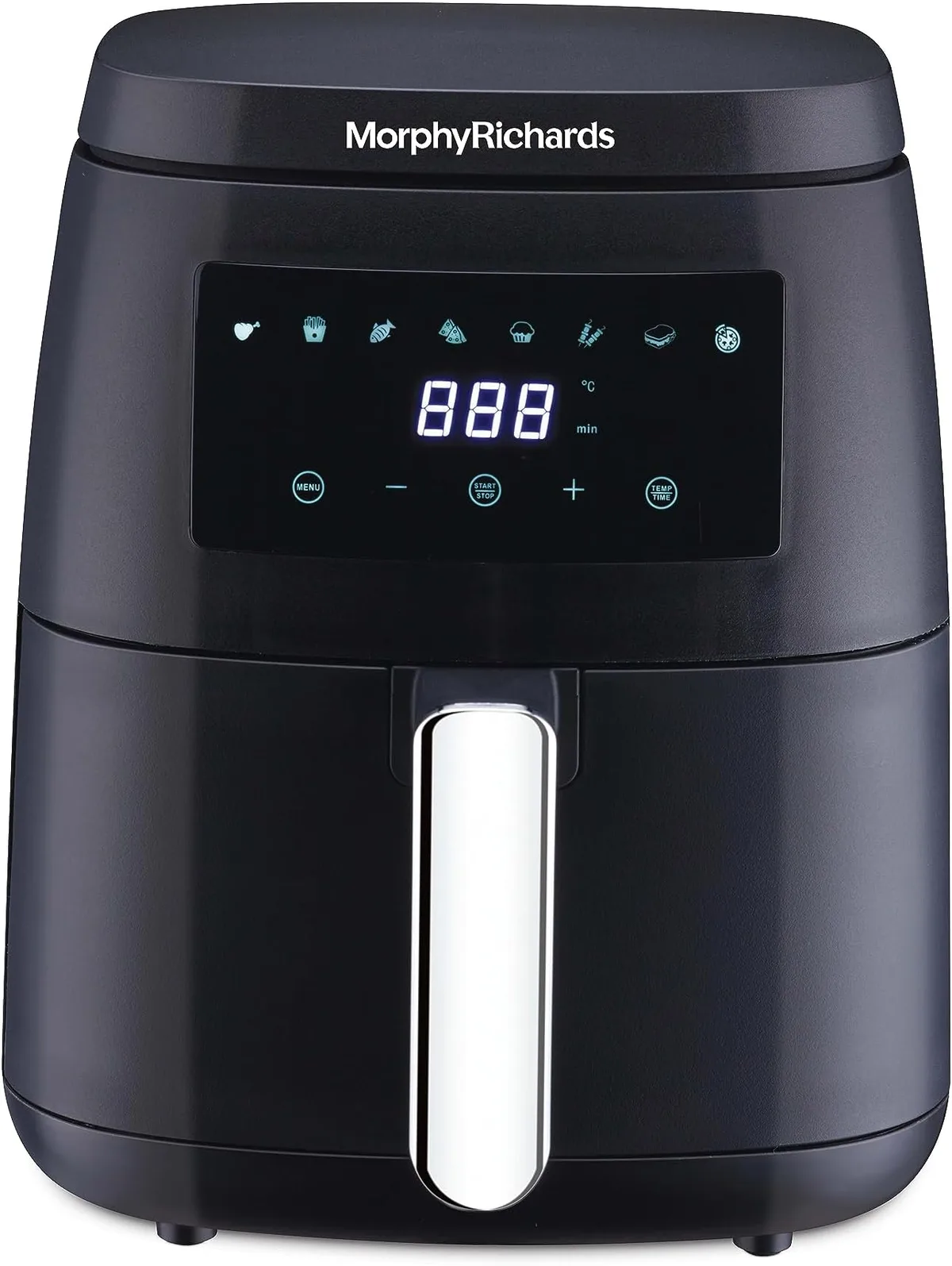
Image source: Web (Bing) / amazon.in (Web image (fair-use with source credit))
Step 3: Dialing In the Right Temperature and Time
Now for the main event: setting the controls. Through extensive testing and analysis of user results, we've found the sweet spot for frozen taquitos is between 380°F and 400°F (195°C to 205°C). We recommend starting at 390°F as your default.
This temperature is high enough to create rapid crisping on the tortilla but not so high that it risks burning the ends before the center is warm.
As for time, a general range of 8 to 12 minutes is standard. Why the variation? It depends on the size of your taquitos (mini vs. full-size), the wattage of your air fryer, and how many you're cooking at once.
This is why starting with less time is a smarter approach than just setting it for 12 minutes and walking away. Set your timer for 8 minutes for a first check.
This "low and slow" mentality doesn't apply here. You want high heat for a relatively short time. The goal is to cook the taquito quickly enough that the outside crisps before the inside thaws and makes the tortilla soggy.
The timer is your guide, but your eyes and ears are the judge. You'll learn to recognize the sound of a crispy taquito shaking in the basket. This hands-on approach to timing is useful for many recipes, like finding the perfect moment for a crispy chicken sandwich.
The Visual Doneness Checklist: What to Look For
When the timer goes off, the real test begins. Don't just pull them out. Open the basket and perform a quick visual inspection.
This step separates perfectly cooked taquitos from the nearly-there crowd.
Color: The Perfect Shade of Golden Brown
A perfectly cooked taquito will have a uniform, golden-brown color. It should look like a lightly toasted tortilla, not pale yellow and certainly not dark brown or black. Look for tiny, bubbled-up spots on the tortilla surface.
That's a great sign the hot air has done its job, creating a blistered, crispy texture. Avoid any significant dark spots, which indicate the start of burning.
Texture: Audibly Crispy, Not Hard
Gently tap a taquito with a fork or tongs. It should sound hollow and make a light, crispy tapping sound. If it feels soft or flexible, it needs more time.
The texture should be crunchy, like a sturdy chip, but not rock-hard. A hard taquito means it's overdone and likely dried out. That ideal texture is also what you're after with other crispy creations, like a top-tier rotisserie chicken sandwich.
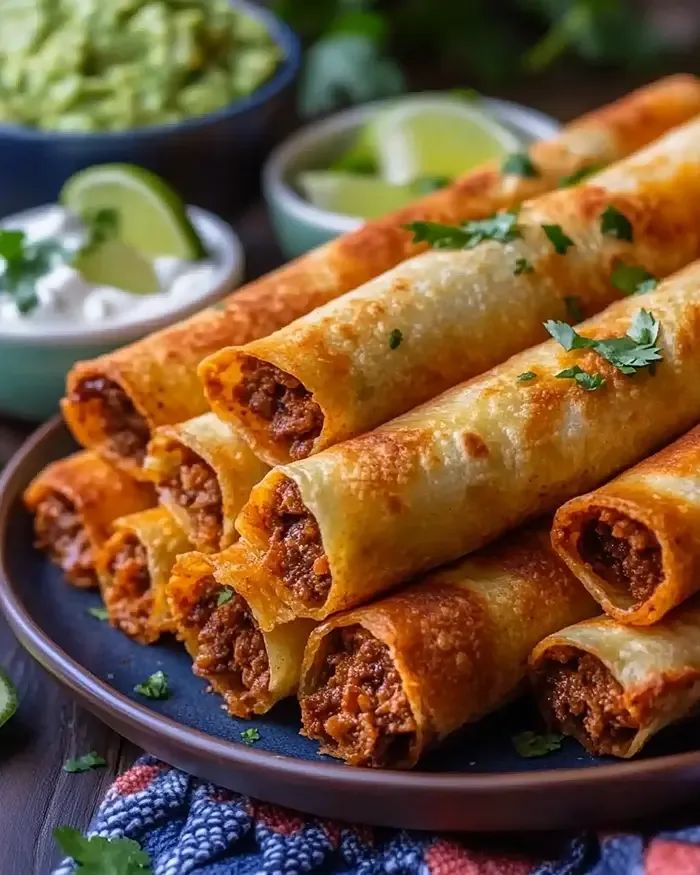
Image source: Bing (Web (fair-use with source credit))
The Shake Test: Ensuring Even Cooking
Give the basket a gentle shake. The taquitos should move freely and roll around. If they stick to the basket or to each other, they likely need another minute.
This shake also helps you spot any pale or undercooked areas that were hidden from view. It's your final check for that all-important even cooking we achieved by not overcrowding the basket.
Common Air Fryer Taquito Fails (And How to Fix Them)
Even with the best instructions, things can go sideways. Here’s how to diagnose and solve the most common problems.
Soggy or Pale Taquitos
This is the number one complaint. The taquitos come out limp, soft, and lacking that satisfying crunch. The heat isn't circulating properly.
- Solution: The most likely cause is overcrowding. Cook in a single layer next time. If they were in a single layer, your air fryer might need a slightly higher temperature. Try increasing the heat by 10-15 degrees Fahrenheit for the last few minutes.
Burnt Ends
The tips or edges of the taquitos are dark brown or black, while the rest might be undercooked. This happens because the thin ends are closest to the heating element and cook much faster.
- Solution: Try arranging the taquitos in a ring around the edge of the basket, keeping them away from the very center. You can also lower the temperature by 10-15 degrees and add a minute or two to the cooking time for more gentle, even heating.
Still Frozen in the Middle
You bite into a beautifully crispy taquito only to find an icy center. This is frustrating. The outside cooked too fast, creating a barrier that prevented heat from reaching the core.
- Solution: Lower the temperature. Instead of 390°F, try 375°F. Extend the cooking time by 2-4 minutes. This allows heat to penetrate to the center without scorching the exterior. It's a lesson in patience that applies to many frozen foods.
The Great Debate: To Spray or Not to Spray with Oil?
This question divides the air fryer community. Let's look at the case for and against a light spritz of oil.
The Case for a Light Spritz
A very light coating of cooking spray (like avocado or canola oil) can enhance the final result. The oil helps the tortilla brown more evenly and can contribute to an extra-crispy, almost fried texture. It can also help any seasonings you sprinkle on top, like chili powder or garlic salt, stick to the surface.
If you're after absolute maximum crispiness and a beautiful, even color, a one-second spray over the taquitos before cooking can make a difference. It's a pro move for when you're serving guests.
When You Can Definitely Skip It
The honest truth is, for frozen taquitos, you can almost always skip the oil. Most frozen taquitos already have a small amount of oil in their ingredients to help with browning during manufacturing. The air fryer is so effective at crisping that the oil is often unnecessary.
Skipping it saves a step and keeps the snack a bit lighter. If your primary goal is convenience and a great result with minimal effort, don't bother with the spray. Your taquitos will still be deliciously crispy.
This minimalist approach works well for other simple air fryer dishes, like whipping up a quick shredded chicken salad for the filling.
Air Fryer vs. Oven: A Side-by-Snack Comparison
Is the air fryer really that much better than a conventional oven for frozen taquitos? Let's break it down.
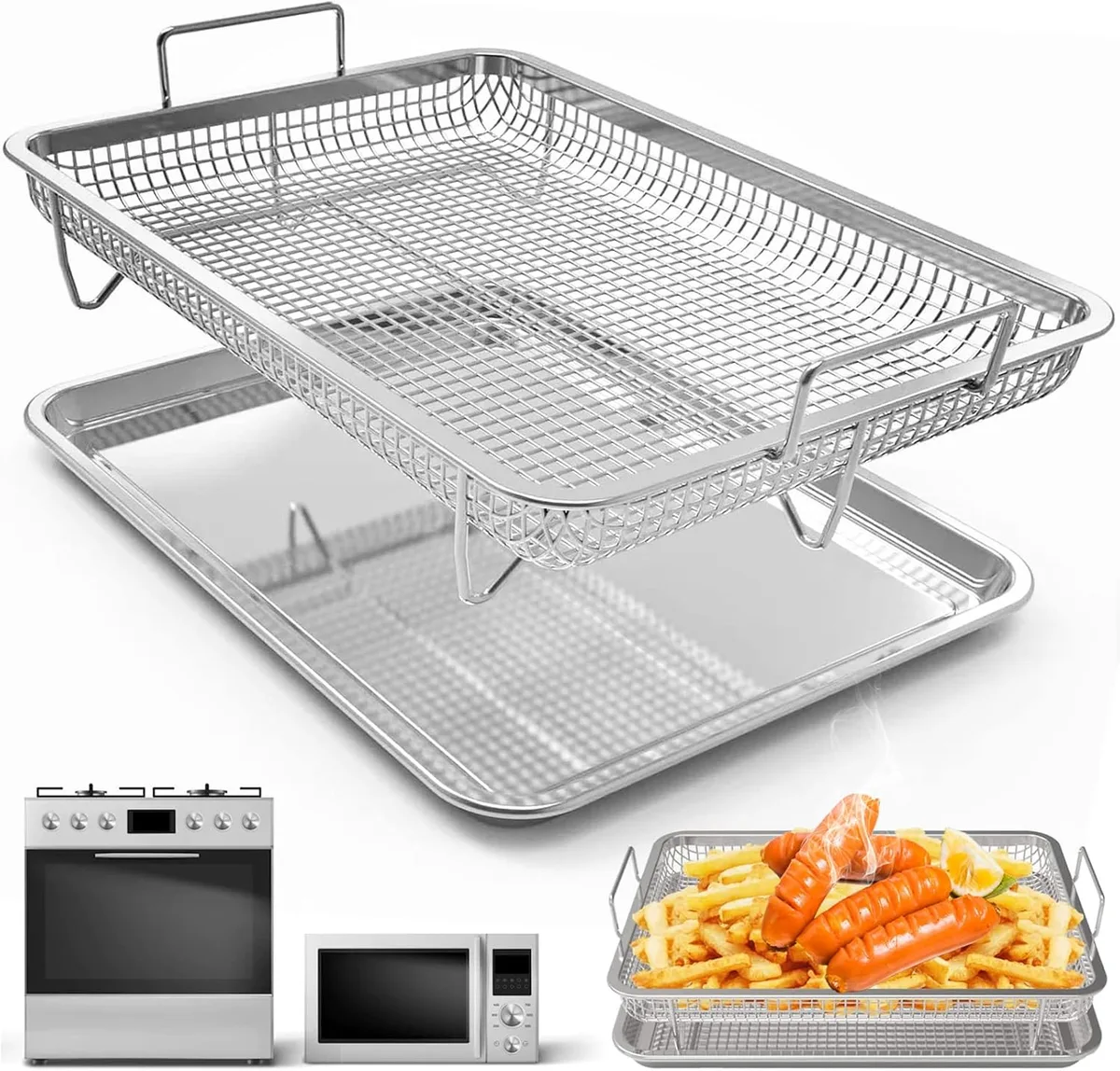
Image source: Web (Bing) / apexprefab.com.sg (Web image (fair-use with source credit))
The most significant difference is time and texture. A conventional oven needs a long preheat time, often 10-15 minutes. Then, cooking frozen taquitos usually takes 15-20 minutes.
The air fryer cuts the total time almost in half. More importantly, the oven's slower, less direct heat often results in a drier, harder crispness. The air fryer delivers a lighter, shatteringly crisp texture that's far superior.
| Feature | Air Fryer | Conventional Oven |
|---|---|---|
| Preheat Time | 0-3 minutes | 10-15 minutes |
| Cook Time | 8-12 minutes | 15-20 minutes |
| Final Texture | Light, crispy, crunchy | Drier, harder crisp |
| Energy Use | More efficient (smaller space) | Less efficient (heats large oven) |
| Best For | Speed, superior texture, small batches | Cooking very large quantities at once |
The oven does have one advantage, capacity. You can fit a much larger batch of taquitos on a baking sheet than in a standard air fryer basket. So if you're feeding a big crowd, the oven might be your only practical option.
For virtually every other scenario, from a quick snack for two to a family appetizer, the air fryer is the clear winner. It's the same reason an air fryer is fantastic for smaller batches of crispy chicken sandwich recipes.
Pro Tips for Next-Level Taquitos
Once you've mastered the basics, these small tweaks can elevate your taquito game from great to incredible.
How to Tell if They’re Cooked Through Without Cutting One Open
You want to avoid slicing a taquito open to check, as you'll lose all the precious steam and make it dry. Instead, use an instant-read thermometer. Insert the probe into the center of a taquito.
According to USDA food safety guidelines, the internal temperature should reach at least 165°F (74°C) to ensure the filling is safely heated through. This is the most accurate method.
The "Let Them Rest" Trick for a Crispier Bite
It sounds counterintuitive, but letting your taquitos rest for a minute after cooking can improve the texture. Removing them from the hot basket and placing them on a wire rack for 60 seconds allows the steam to escape. This prevents the underside from getting soft from trapped moisture, keeping the entire taquito crisp from end to end.
Best Dipping Sauces for Air Fried Taquitos
The crispy vessel is perfect for dipping. Here are a few classic pairings:
- Creamy & Cool: Traditional sour cream, a creamy cilantro-lime crema, or ranch dressing.
- Spicy & Smoky: Your favorite salsa, chipotle aioli, or a spicy Sriracha mayo.
- Cheesy: A smooth, warm queso dip is always a crowd-pleaser.
These sauces are perfect alongside other Mexican-inspired dishes, like a fresh Mexican chicken taco salad.
Your Go-To Frozen Taquito Air Frying Cheat Sheet
Let's condense everything into a simple reference guide. Print this out or bookmark it for a foolproof result every time.
| Step | Action | Key Point |
|---|---|---|
| Preheat | Optional. 390°F for 3 min for max crisp. | Skipping it is fine for speed. |
| Arrange | Single layer, not touching. | Overcrowding is the enemy of crispiness. |
| Cook | 390°F for 8-12 minutes. | Start at 8 min, then check. |
| Shake | Halfway through cooking. | Ensures even browning. |
| Check | Golden brown, crispy sound. | Use a thermometer for 165°F interior. |
| Rest | 1 minute on a wire rack. | Prevents a soggy bottom. |
Keep this chart handy. It’s the fastest way to turn a frozen box into a hot, crispy snack.
Frequently Asked Questions
Can I cook taquitos directly from frozen?
Yes. Always cook them directly from frozen. There’s no need to thaw them first.
Thawing will make the tortilla soggy and cause the filling to leak out during cooking. The air fryer is designed to cook from frozen perfectly.
My taquitos are exploding! What's happening?
This usually happens when the taquitos are overcooked or the filling has too much moisture that turns to steam. The pressure builds up until the tortilla bursts. To prevent this, avoid piercing them and make sure you’re not cooking them for too long at too high a temperature.
How do I keep the filling from leaking out?
A small amount of leakage is normal. To minimize it, ensure you don’t puncture the tortilla when handling them. Cooking at the right temperature (not too high) also helps the filling heat evenly without forcing its way out.
Some brands are simply more prone to leaking than others.
Can I cook a whole box at once?
It depends on the size of your air fryer basket. The key rule is to never overcrowd. If you can fit them all in a single layer without stacking, then yes.
If not, cook in batches. Cooking in batches is always better than ending up with a steamy, unevenly cooked mess.
Are corn or flour tortilla taquitos better in the air fryer?
Both work well, but they have different results. Corn tortillas typically get a slightly crispier, more chip-like texture. Flour tortillas become crispy but can have a softer, more flaky quality.
It comes down to personal preference. The cooking method remains the same for both types.
How do I reheat leftover cooked taquitos?
The air fryer is also the best tool for reheating. Reheat them at 370°F for 3-5 minutes. This will bring back the crispiness much better than a microwave, which would make them soft.
They reheat remarkably well, making them a great make-ahead snack.