How to Cook Frozen Hamburgers in an Air Fryer
Let's face it: you're staring into your freezer, craving a burger, but the only thing staring back is a box of frozen patties. You could microwave them and get a rubbery disappointment, or wait an hour to thaw them properly. Thankfully, your air fryer is the perfect kitchen rescue for this exact situation.
It delivers that juicy, seared result you actually want, straight from frozen.
Our research into various air fryer models and frozen burger brands shows that the key to success lies not in a single magic number, but in understanding the type of patty you're cooking. As of 2026, the most critical factor is whether your frozen hamburger is raw or pre-cooked. Getting that right from the start ensures your meal is both delicious and safe.
Quick Answer
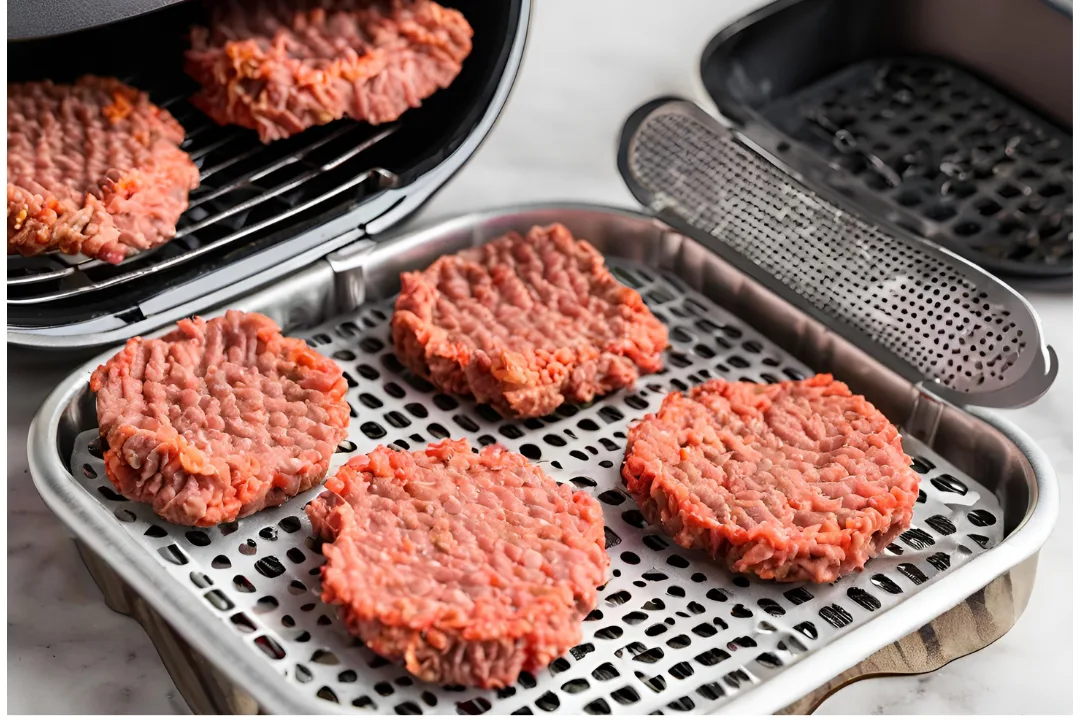
For frozen hamburgers in an air fryer, first identify if the patty is raw or pre-cooked. Cook raw patties at 375°F for 5-7 minutes, then flip and cook at 350°F for another 5-8 minutes. Cook pre-cooked patties at 380°F for 6-8 minutes, flipping halfway.
Always verify doneness with a meat thermometer. Raw beef must reach 160°F internally. Pre-cooked patties need to reach 165°F.
Do not overcrowd the air fryer basket.
The First, Most Important Question: Raw or Pre-Cooked?
Before you even preheat your air fryer, you need to answer this question. The cooking method, time, and safety precautions are completely different for each type. Using the wrong approach is the most common reason for a failed frozen burger experience.
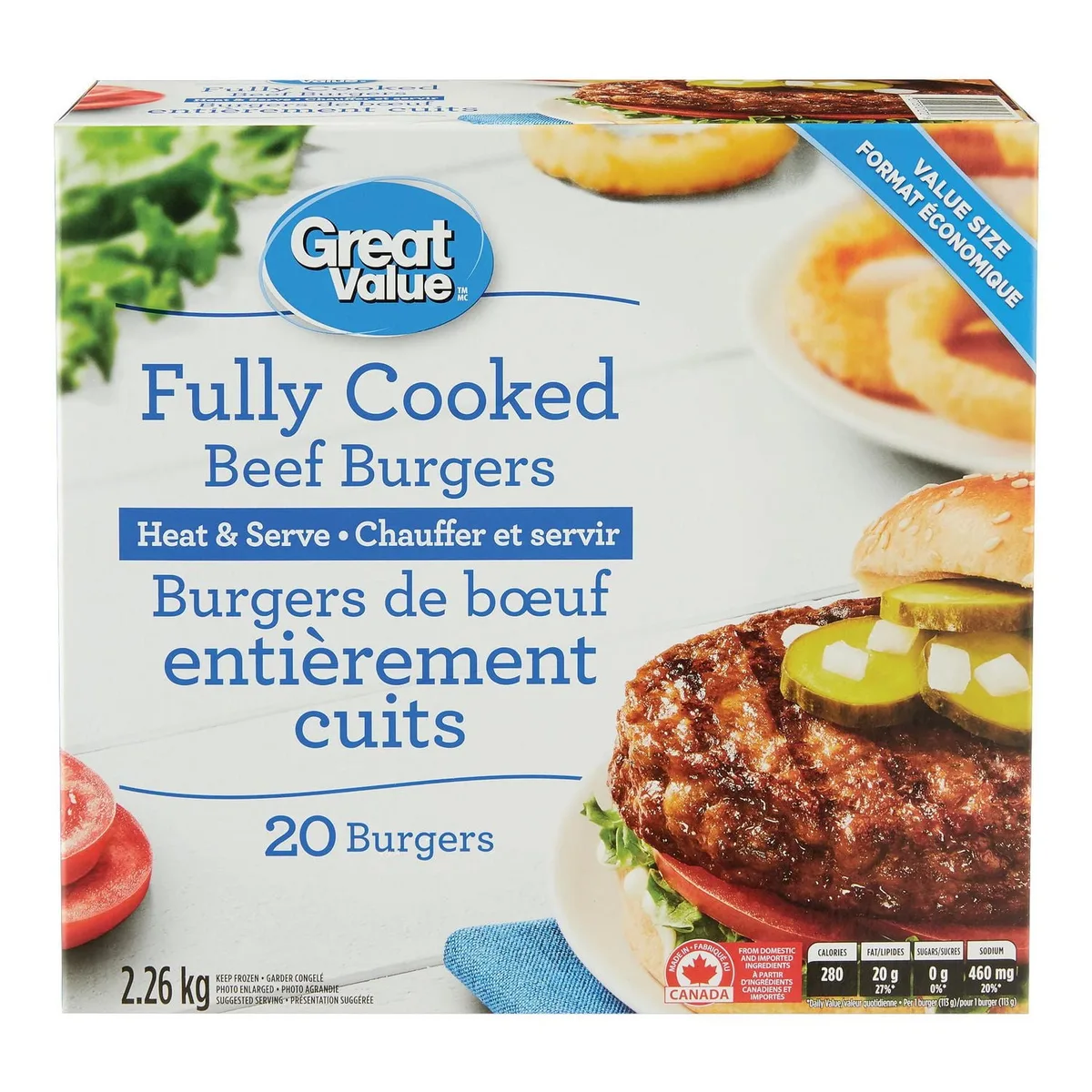
A raw frozen patty is simply ground beef that was shaped and then frozen. It requires full cooking to a safe internal temperature to kill any potential bacteria. A pre-cooked frozen patty, on the other hand, has already been fully cooked by the manufacturer.
You are essentially just reheating and browning it. Always check the packaging; it will clearly state "Fully Cooked" or "Pre-Cooked" if applicable. If you see no such label, assume it's raw and needs full cooking.
This simple check is your first step toward a perfect result.
Why Your Air Fryer is the Secret Weapon for Frozen Burgers
So why is the air fryer such a game-changer for this specific task? It comes down to physics. Unlike a microwave, which heats food from the inside out and can create a steamy, rubbery texture, an air fryer works by circulating super-heated air.
This powerful convection effect rapidly cooks the outside of the frozen patty, creating a delicious, browned crust that locks in the juices.
Compare this to a conventional oven. An oven takes much longer to preheat and cook, often leading to a drier result because the slower cooking time gives more moisture a chance to evaporate. The air fryer's smaller cavity and intense air circulation cook the burger faster and more evenly.
This method is perfect for achieving that desirable contrast between a crispy exterior and a tender, juicy interior without the need for any added oil. It’s a fantastic way to prepare a quick, fuss-free meal, just like when you make delicious air fryer chicken tacos on a busy weeknight.
How to Cook Raw Frozen Patties: The Two-Stage Method
Cooking raw frozen beef patties requires a bit of finesse to ensure they are safe to eat without becoming dry. The two-stage temperature method is the most reliable technique we've found. It mimics what a good chef does on a grill: high heat to sear, then lower heat to cook through.
First, preheat your air fryer to 375°F (190°C) for about 3 minutes. While it's heating, place the frozen patties in the basket in a single layer. Do not stack them.
Air flow is critical for even cooking. Cook the patties at 375°F for 5 to 7 minutes. This initial blast of high heat will start to thaw the outside and create a nice sear.
After the first segment, open the basket and flip each patty. Then, reduce the air fryer temperature to 350°F (175°C). Continue cooking for another 5 to 8 minutes.
The total cooking time will typically land between 10 and 15 minutes, but this depends heavily on the thickness of your patties. A thin quarter-pound burger will be on the lower end, while a thicker pub-style patty will need more time.
How to Cook Pre-Cooked Frozen Patties: The Quick Reheat
This process is much more straightforward. Since the patty is already safe to eat, your goal is simply to heat it through and add some color and texture. You'll use a single, steady temperature for the entire cook time.
Preheat your air fryer to 380°F (193°C). Place the pre-cooked frozen patties in the basket, again ensuring they aren't touching. Cook for 6 to 8 minutes, flipping them halfway through the cooking time.
That's all there is to it. The higher steady temperature ensures the outside gets pleasantly crispy while the inside heats up efficiently. This method is incredibly fast and works perfectly for a last-minute lunch, much like throwing together a quick shredded chicken sandwich.
Your At-a-Glance Air Fryer Burger Cheat Sheet
Here’s a quick reference table to keep the key information at your fingertips. Remember that these are estimates; your specific air fryer model and the patty's thickness are the biggest variables.
| Burger Type | Air Fryer Temperature | Total Time (Approx.) | Key Step |
|---|---|---|---|
| Raw Frozen Patties | 375°F, then 350°F | 10 – 15 minutes | Start high to sear, then lower temp to finish cooking through. |
| Pre-Cooked Patties | 380°F | 6 – 8 minutes | Cook at a steady high heat, flipping halfway. |
Always use the internal temperature, not just the clock, as your final guide. For more inspiration on what to serve with your burger, check out our full collection of side dishes and other easy meals.
The Absolute Must-Follow Food Safety Rule
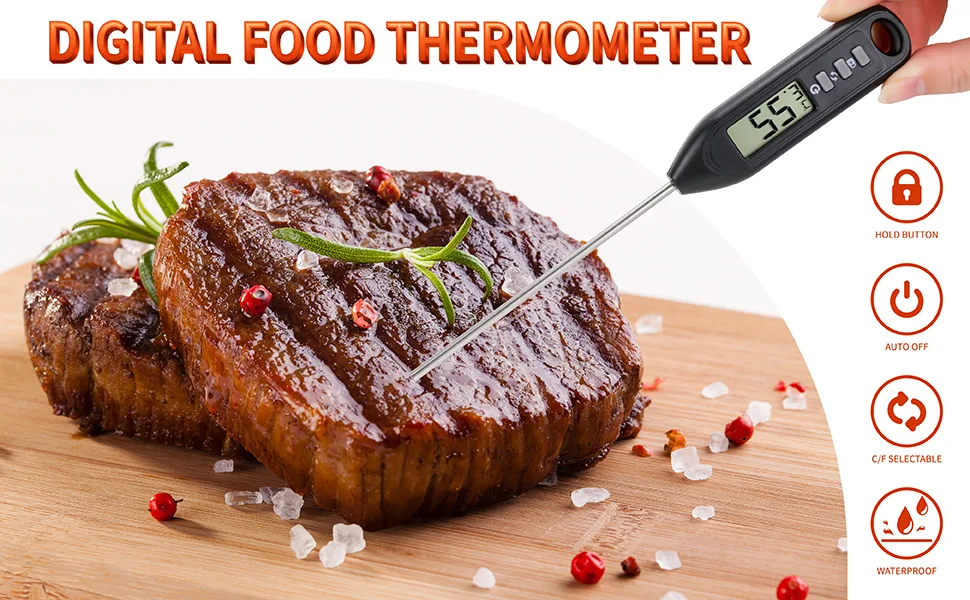
You cannot taste, smell, or see the bacteria that cause foodborne illness. This is why the single most important tool for cooking raw frozen hamburgers isn't your air fryer, it's an instant-read meat thermometer. Guessing based on color or time alone is not safe.
According to the USDA, ground beef must be cooked to a minimum internal temperature of 160°F (71°C) to be considered safe to eat. For pre-cooked patties, you should reheat them to at least 165°F (74°C). To check, insert the thermometer probe into the thickest part of the patty, making sure not to touch the air fryer basket through the meat.
If it hasn't reached the safe temperature, continue cooking in 1-2 minute increments. This simple step is non-negotiable for peace of mind and safe eating.
Pro Tips for a Juicy, Perfectly Cooked Burger
Great results come down to a few small details that make a big difference. These tips will elevate your frozen burger from just edible to genuinely delicious.
Should You Season Frozen Patties?
Yes, but timing matters. Seasoning a frozen patty right before it goes into the air fryer is your best bet. The condensation on the frozen surface helps the seasoning adhere.
Stick to simple, robust seasonings like coarse salt, black pepper, and garlic powder. Dry rubs work better than wet marinades, which can create steam and prevent browning.
How to Get a Deeper Sear
For an even crispier, more caramelized crust, give the patties a very light spritz of cooking oil after you flip them. Use an avocado or canola oil spray. This extra bit of fat promotes Maillard reaction, which is the chemical process that creates those complex, savory flavors and appealing brown color.
Just a quick spray is all you need.
The Best Way to Melt Cheese
If you want a perfectly melted cheese slice, add it during the last 1 to 2 minutes of cooking. The residual heat from the burger will melt it gently without it sliding off or burning. Close the air fryer basket to trap the heat.
This technique works wonderfully for creating that classic diner-style cheeseburger, similar to what you'd want on a cheesy chicken sandwich.
Common Mistakes That Can Ruin Your Burger
Avoiding these common pitfalls is just as important as following the right steps. They're the difference between a perfect burger and a disappointing one.
Overcrowding the Basket. This is the number one mistake. Patties need space for the hot air to circulate around them. If they're touching, they'll steam instead of sear, leading to a soggy exterior and uneven cooking.
Cook in batches if you're making more than two burgers. It's worth the extra few minutes.
Skipping the Preheat. It's tempting to just throw the burgers in and set the timer. However, preheating for just 2 to 3 minutes ensures the cooking process starts immediately, creating that essential sear that locks in juices. A cold start can lead to a grey, steamed burger.
Relying Solely on Time. We've given time estimates, but they are guides, not guarantees. Your air fryer's wattage, the patty's thickness, and even how many you're cooking at once will affect the time. The meat thermometer is your only true guide to doneness.
Ignoring it risks undercooking or, more commonly, dry, overcooked meat.
Using Lean Meat Without Adjusting. Extra-lean ground beef (93/7 or leaner) has very little fat to keep it moist. If you're using lean frozen patties, consider reducing the second-stage cooking time by a minute or two to prevent them from drying out. A little extra fat in the burger acts as a built-in safety net against overcooking.
What About Cheese, Buns, and Toppings?
A burger is more than just the patty. You can use your air fryer to toast the buns and warm other components for a fully hot meal.
Toasting the Buns
Split your burger buns and place them cut-side up in the air fryer basket. You can do this while the burgers are resting. Cook at 350°F for 1 to 2 minutes, just until they’re golden and crispy.
Watch them closely, as they can burn quickly. This adds a wonderful texture and prevents the bun from getting soggy from the burger's juices.
Warming Toppings
You can briefly warm sturdy toppings like onion slices or even bacon in the air fryer. Add them for the last 2 to 3 minutes of the burger's cooking time. For delicate items like lettuce and tomato, it's best to add them fresh after the burger is cooked.
This approach gives you a hot, cohesive burger experience with cool, crisp accents. It's a great trick for creating a loaded sandwich, much like a fully dressed chipotle chicken sandwich.
How the Air Fryer Stacks Up Against Other Methods
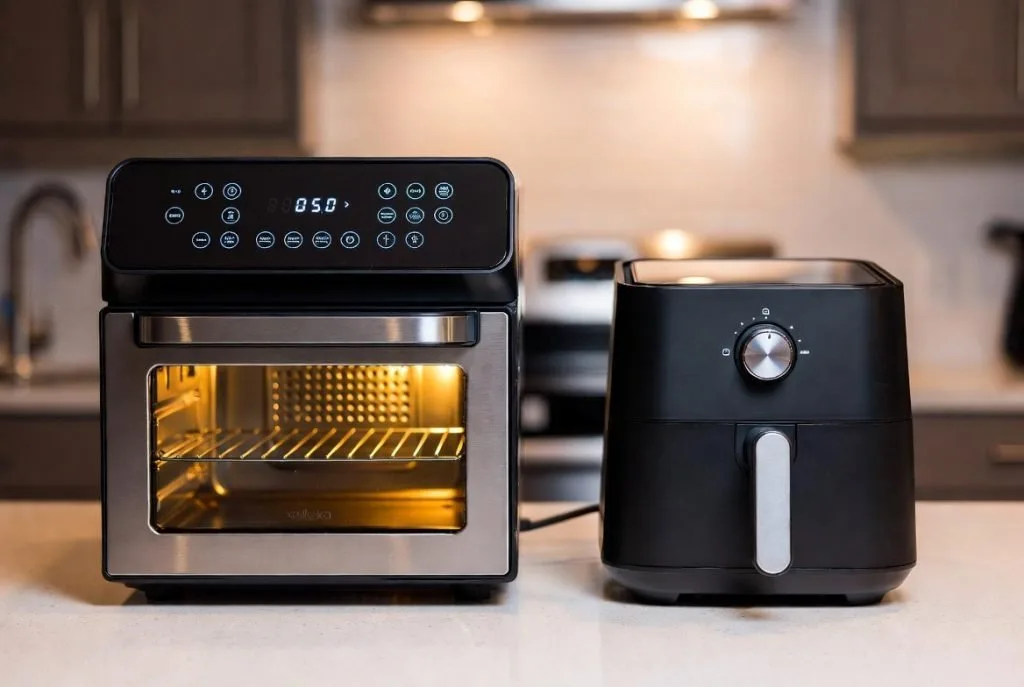
How does the air fryer compare to your other options for cooking frozen burgers? Each method has its pros and cons, and the best choice depends on your priorities.
| Method | Best For | Pros | Cons |
|---|---|---|---|
| Air Fryer | Speed and texture. | Fastest method after microwaving. Produces a seared, juicy result. Minimal preheat time. | Limited capacity. Can smoke if fat drips. |
| Oven | Cooking for a crowd. | Can cook many patties at once on a sheet pan. Hands-off. | Long preheat and cook times. Risk of drier burgers. |
| Stovetop | Maximum sear and control. | Creates an excellent crust. Easy to monitor. | Requires thawing first. Can be messy with splatter. |
| Grill | Smoky flavor. | Imparts classic grilled flavor. | Difficult to cook from frozen; often leads to uneven results. |
| Microwave | Absolute speed only. | Heats in minutes. | Results in a rubbery, steamed texture. Not recommended. |
The air fryer clearly wins for a balance of speed and quality. It's the ideal solution for a quick, high-quality meal for one or two people. If you're feeding a family of four or more, the oven might be more practical despite the longer time, as you can cook all the patties simultaneously.
The stovetop is excellent but requires planning ahead to thaw.
The Absolute Must-Follow Food Safety Rule
We covered the basics earlier, but let's dig deeper into why this is non-negotiable. Ground beef is more susceptible to bacterial contamination than a whole cut like a steak. When meat is ground, any bacteria on the surface get mixed throughout the entire patty.
This is why the USDA's guideline of 160°F for ground beef is critical. At this temperature, harmful bacteria like E. coli and Salmonella are destroyed. You cannot rely on the color of the meat.
A burger can turn brown before it reaches a safe temperature, or it can still be pinkish after it's safe, especially if it was frozen.
How to Rest Your Burgers. After cooking, let the patties rest for a minute or two on a plate before assembling your burger. This allows the juices to redistribute throughout the meat, resulting in a juicier bite. It also gives you a final moment to double-check the internal temperature if needed.
This simple step, combined with proper cooking, ensures every burger you make is both safe and satisfying.
Ready to Cook? Your Final Game Plan
Let's put everything together into a simple, actionable checklist. Follow these steps for a guaranteed good result every single time.
- Identify Your Patty. Check the box. Is it raw or pre-cooked? This dictates your entire approach.
- Preheat. Set your air fryer to the starting temperature: 375°F for raw, 380°F for pre-cooked. Let it run for 3 minutes.
- Arrange. Place the frozen patties in a single layer in the basket. Give them space.
- Cook and Flip.
- For raw: Cook 5-7 min at 375°F. Flip. Reduce temp to 350°F. Cook another 5-8 min.
- For pre-cooked: Cook 6-8 min at 380°F. Flip halfway through.
- Check Temperature. Use your meat thermometer. Target 160°F for raw, 165°F for pre-cooked.
- Rest and Assemble. Let the patties rest for 1-2 minutes. Toast your buns if desired. Build your burger and enjoy.
This streamlined process turns a potentially tricky task into a foolproof routine. It’s perfect for a fast and easy weeknight dinner.
Frequently Asked Questions
Can I cook frozen turkey or chicken burgers the same way?
Yes, the same principles apply. The critical difference is the safe internal temperature. Ground poultry, like turkey or chicken burgers, must be cooked to 165°F (74°C) to be safe.
Use the two-stage method for raw patties, but always verify with a thermometer. The cooking times will be very similar to beef.
My air fryer is smoking. What should I do?
A little smoke is normal from rendering fat. Excessive smoke usually means fat is dripping and burning. To manage it, add a tablespoon of water to the bottom of the air fryer drawer, beneath the basket.
This creates steam and reduces smoking. Also, ensure you're cleaning the drip tray regularly, as built-up residue can smoke.
Why is my burger dry?
The most common cause is overcooking. This happens when you rely only on time instead of the internal temperature. Using very lean meat also increases the risk of dryness.
Next time, use your thermometer and pull the burger the moment it hits the safe temperature. Letting it rest for a minute also helps redistribute the juices.
Do I need to flip the burgers?
Yes, flipping is essential. It ensures even cooking and browning on both sides. For raw patties, flip when you lower the temperature.
For pre-cooked patties, flip once at the halfway point. This simple step prevents one side from being overcooked while the other is underdone.
Can I cook multiple burgers at once?
You can, but avoid overcrowding. The patties need space for air to circulate. If your basket is small, cook in batches.
Cooking too many at once will steam them, resulting in a soggy exterior and uneven doneness. Two burgers is usually a safe maximum for standard basket sizes.
How do I clean my air fryer after cooking burgers?
Always unplug the appliance and let it cool completely. Remove the basket and drawer. Wash them with warm, soapy water.
Most are dishwasher safe. Wipe the interior of the air fryer with a damp cloth. For stubborn, baked-on grease, let the drawer soak in hot, soapy water for 10-15 minutes before scrubbing.