Crispy Air Fryer Beef Short Ribs in Minutes
Ever wondered if you could get that deep, beefy flavor of short ribs without spending hours watching a pot? You absolutely can. Cooking beef short ribs in an air fryer turns a classic slow-cooked dish into a weeknight-friendly meal, delivering a seriously impressive crust and tender meat in under an hour.
It’s a technique that feels almost too good to be true.
The key is a two-stage cooking process that mimics braising but in a fraction of the time. You’ll start with a high heat to build a flavorful sear, then lower the temperature to gently render the fat and connective tissue. Our research into manufacturer specifications and cooking times shows that most standard basket-style air fryers, as of 2026, are more than capable of handling this job beautifully.
Let's get into exactly how to make it work.
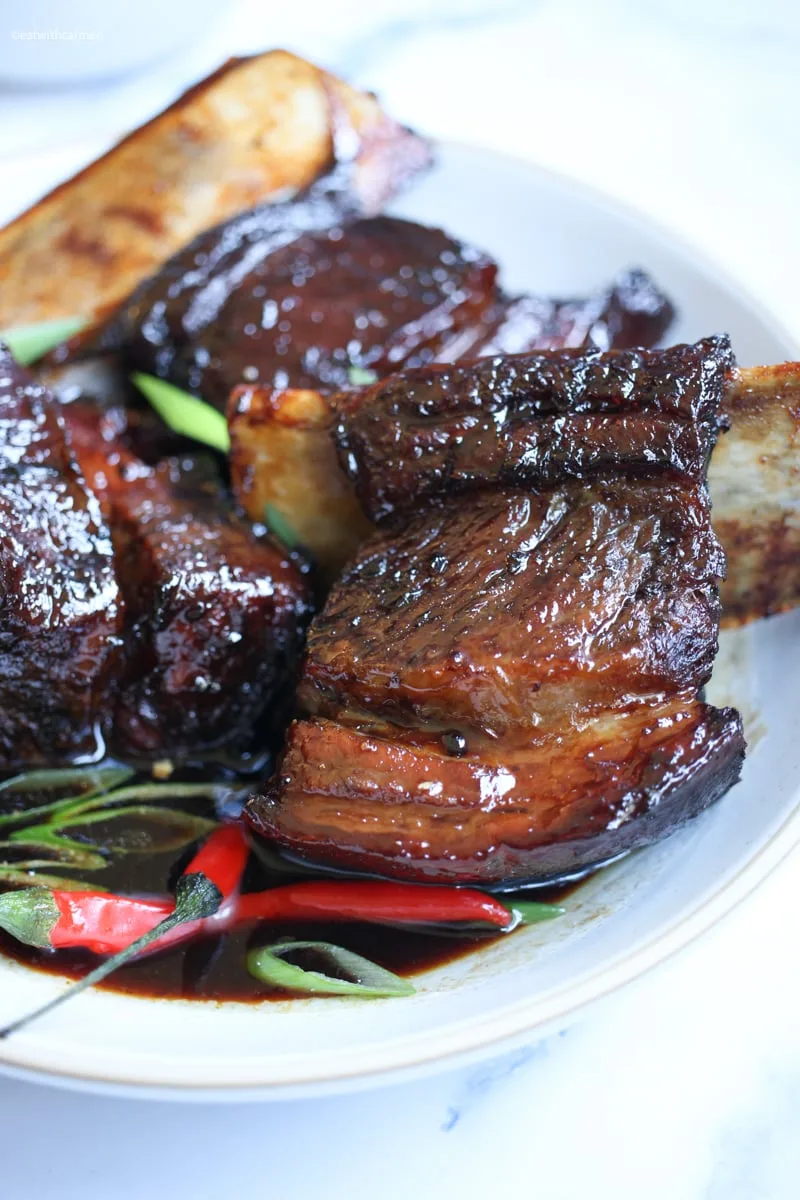
Image source: Web (Bing) / eatwithcarmen.com (Web image (fair-use with source credit))
Quick Answer
Yes, you can cook beef short ribs in an air fryer. Use English-cut ribs, not flanken-cut. Pat them completely dry first.
Season generously. Cook at 375°F (190°C) for 12-15 minutes. Flip them over.
Reduce heat to 325°F (165°C). Cook for another 10-15 minutes. Check for doneness with a meat thermometer.
It should read 200-205°F (93-96°C) for tender meat. Let them rest before serving.
Why Your Air Fryer is a Short Rib Game-Changer
We typically think of short ribs as a weekend project, something that requires a Dutch oven and an afternoon. Your air fryer flips that script entirely. It uses rapid air circulation to create an environment that’s perfect for developing a rich, caramelized crust on the outside of the meat, something that’s difficult to achieve with wet braising.
This method excels at rendering fat. The constant flow of hot air bastes the ribs in their own juices while simultaneously crisping the exterior. The result is a textural contrast you just don’t get from other methods: a crispy, salty bark giving way to juicy, pull-apart meat.
It’s a fantastic way to get a deeply flavorful dinner on the table quickly, perfect for those nights when you want something hearty without the long wait. It pairs wonderfully with a simple, fresh side like a classic chicken cabbage salad.
The Right Cut: Choosing Your Short Ribs
This is the most critical step. Choosing the wrong cut will guarantee disappointing results. You need ribs with enough thickness to withstand the air fryer’s intense heat without overcooking.
English-Cut vs. Flanken-Cut: What to Look For
You must use English-cut short ribs. These are cut parallel to the bone, resulting in a thick, block-like piece of meat attached to a single bone. They’re sometimes labeled as “braising ribs.” This substantial cut has the mass needed to stay juicy inside while the exterior crisps up.
Avoid flanken-cut short ribs at all costs for this recipe. These are cut across the bone, creating thin, strip-like pieces with multiple bone fragments. They’re designed for quick, high-heat grilling and will become tough and dry in the air fryer in minutes.
The difference is night and day.
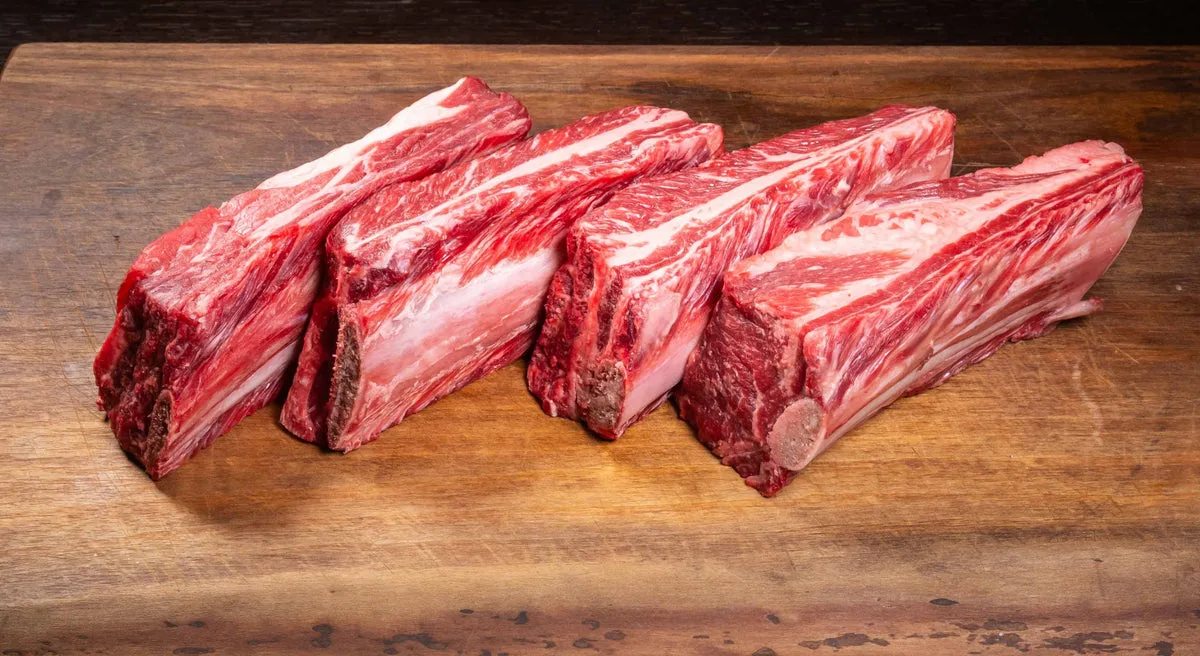
Image source: Bing (Web (fair-use with source credit))
Look for ribs with good marbling, those thin white streaks of fat running through the meat. This intramuscular fat will render during cooking, self-basting the ribs and keeping them incredibly moist. Well-marbled ribs are your best bet for a succulent outcome, much like choosing the right cut for a rotisserie chicken sandwich.
What You'll Need to Get Started
You don’t need much beyond the ribs themselves. This is a simple preparation that relies on technique and the right tools rather than a long list of ingredients.
- Beef Short Ribs: English-cut, as discussed. Plan for one to two ribs per person.
- Kosher Salt: Its coarse grains adhere well and provide a better seasoning crust than fine table salt.
- Black Pepper: Freshly cracked is always best for the most flavor.
- Paper Towels: Essential for drying the surface of the meat thoroughly.
- Your Air Fryer: Any standard basket-style model will work. There’s no need for a fancy oven-style one.
- Instant-Read Thermometer: This is non-negotiable for perfect results every time. Don’t guess; measure.
That’s really it. While you can add other dry spices like garlic powder or smoked paprika, salt and pepper are all you need to highlight the natural beefy flavor. This minimalist approach lets the quality of the meat and the cooking technique shine, similar to how a great roasted chicken sandwich needs little more than good bread and mayo.
The Step-by-Step Air Fryer Process
Follow these steps precisely for the best results. The process is straightforward, but the details make all the difference.
Prepping Your Ribs: The Non-Negotiable First Step
Remove your English-cut short ribs from the refrigerator. Take a few paper towels and thoroughly pat every surface of the meat until it’s completely dry. This step is crucial.
Any moisture on the surface will steam the meat instead of allowing it to brown and create that desired crust. Season the dry ribs liberally on all sides with kosher salt and freshly cracked black pepper. Let them sit at room temperature for about 20-30 minutes.
This takes the chill off and promotes more even cooking.
The Two-Temperature Cooking Method
Preheat your air fryer to 375°F (190°C). Preheating ensures you get that instant sear the moment the ribs hit the basket. While it’s heating, arrange your seasoned ribs in the air fryer basket in a single layer.
Make sure they are not touching each other. Overcrowding is the enemy of crispness; the hot air needs space to circulate around each piece.
Cook at this high temperature for 12-15 minutes. After this time, open the basket. You should see a significant amount of rendered fat in the bottom and a nice brown crust starting to form on the top surface.
Using tongs, carefully flip each rib over.
Now, reduce the air fryer temperature to 325°F (165°C). Continue to cook for another 10-15 minutes. This lower heat gently finishes the cooking process, rendering the internal fat and breaking down connective tissue without burning the exterior you worked so hard to create.
How to Tell When Your Ribs Are Perfectly Done
Forget about poking them and guessing. The only reliable way to know if your short ribs are perfectly tender is to use an instant-read thermometer.
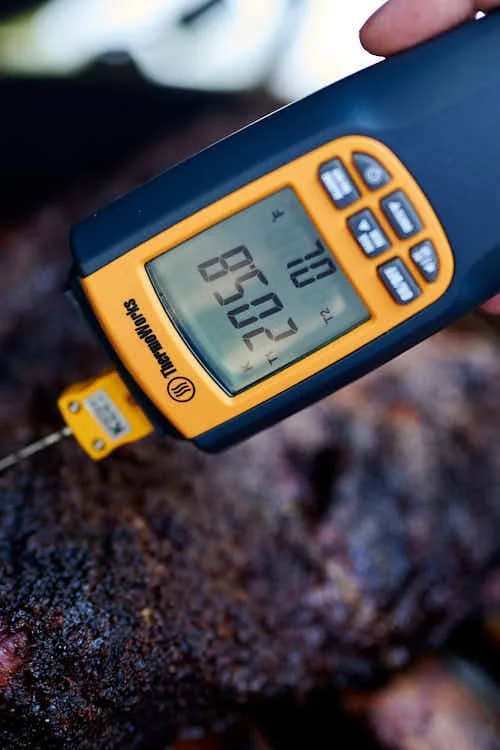
Image source: Bing (Web (fair-use with source credit))
Insert the probe into the thickest part of the meat, making sure to avoid touching the bone. You’re not looking for a medium-rare steak temperature here. For short ribs to become tender, the collagen needs to break down, which happens at a higher temperature.
Your target is 200-205°F (93-96°C).
When they hit this range, the meat will be tender enough to pull apart easily with a fork. Visually, the meat will have shrunk back from the bone by about half an inch or so. Once they’re done, transfer the ribs to a plate and tent them loosely with foil.
Let them rest for 5-10 minutes before serving. This allows the juices to redistribute, ensuring every bite is moist. This careful attention to temperature is just as important as when you're ensuring chicken is safely cooked for a shredded chicken salad.
Why This Works: Air Fryer vs. Braising
The air fryer doesn't just cook short ribs faster. It creates a completely different eating experience compared to traditional braising. Understanding this helps you know exactly what you're getting and when to choose each method.
Pros of the Air Fryer Method
Speed is the obvious win, but the textural contrast is the real star. The air fryer excels at creating a crispy, caramelized crust through the Maillard reaction. This is the same browning that makes a seared steak delicious.
You simply can't get that crackly exterior in a pot of braising liquid.
It's also remarkably hands-off and efficient. There's no need to sear in a separate pan or babysit a simmering pot. The air fryer contains the mess and doesn't heat up your whole kitchen.
This makes it perfect for a quick, impressive dinner for two to four people.
Cons and Limitations to Know
The primary trade-off is capacity. Most air fryer baskets can only hold two to four English-cut ribs in a single layer without overcrowding. If you're feeding a crowd, you'll be cooking in batches, which defeats the time-saving purpose.
The interior texture, while tender and shreddy, is different from braised ribs. Braising breaks down connective tissue into gelatin over many hours, resulting in a uniformly soft, melt-in-your-mouth texture. The air fryer gives you tender meat, but with a bit more chew and structure next to the bone.
It's a preference, not a flaw.
Side-by-Side: Air Fryer vs. Other Cooking Methods
How does the air fryer stack up against the other common ways to cook short ribs? This comparison helps you pick the right tool for your goal.
| Method | Time | Texture Best For | Best For |
|---|---|---|---|
| Air Fryer | 30-45 minutes | Crispy exterior, tender & shreddy interior | A quick, impressive dinner for 2-4 |
| Oven Braising | 3+ hours | Uniformly soft, "melt-in-your-mouth" | A weekend project, feeding a crowd |
| Slow Cooker | 6-8 hours | Very soft, can be mushy if overcooked | Set-and-forget convenience, large batches |
| Grilling/Smoking | 4-6 hours | Smoky bark, tender pull-apart texture | Outdoor cooking, deep smoky flavor |
| Pressure Cooker | 45-60 min total | Similar to braised, very tender | Fast braised texture, all-in-one pot |
The air fryer wins on speed and that unique crispy crust. It loses on capacity and that classic braised uniformity. For a similar quick-cook method with more capacity, you might explore other air fryer dishes like air fryer nachos or chicken skewers in air fryer.
Common Mistakes and How to Avoid Them
A few small errors can turn fantastic ribs into a tough, greasy disappointment. Here’s what to watch out for.
Using the wrong cut. We can't stress this enough. Flanken-cut ribs will ruin this recipe. They’re too thin and will overcook instantly, becoming tough and chewy.
Always double-check you have the thick, English-cut style.
Skipping the pat-dry step. Any surface moisture creates steam. Steam prevents browning. If your ribs come out pale and steamed instead of brown and crusty, you didn't dry them well enough.
Take an extra minute with those paper towels.
Overcrowding the basket. This is the most common operational mistake. When ribs are touching, the hot air can't circulate. They end up steaming in their own rendered fat.
Give each piece an inch of space. Cook in batches if you have to.
Not using a thermometer. Pulling the ribs at steak temperature (130-140°F) leaves them tough. The collagen hasn't broken down yet. You must cook them to that higher 200-205°F window for tenderness.
Guessing is a guaranteed way to fail.
Pro Tips for the Best Results
These insights from aggregated cooking reviews and tests will elevate your ribs from good to restaurant-quality.
First, season aggressively. Short ribs are a thick, fatty cut. They can handle and need a generous amount of salt and pepper.
Don't be shy. The seasoning forms part of that delicious crust. Consider adding a light dusting of garlic powder or smoked paprika along with the S&P.
Let your ribs rest after cooking. Those five to ten minutes under a foil tent are not optional. During this time, the juices, which have been driven to the center by the heat, redistribute back throughout the meat.
Cutting in too early means all those flavorful juices end up on your plate, not in your bite.
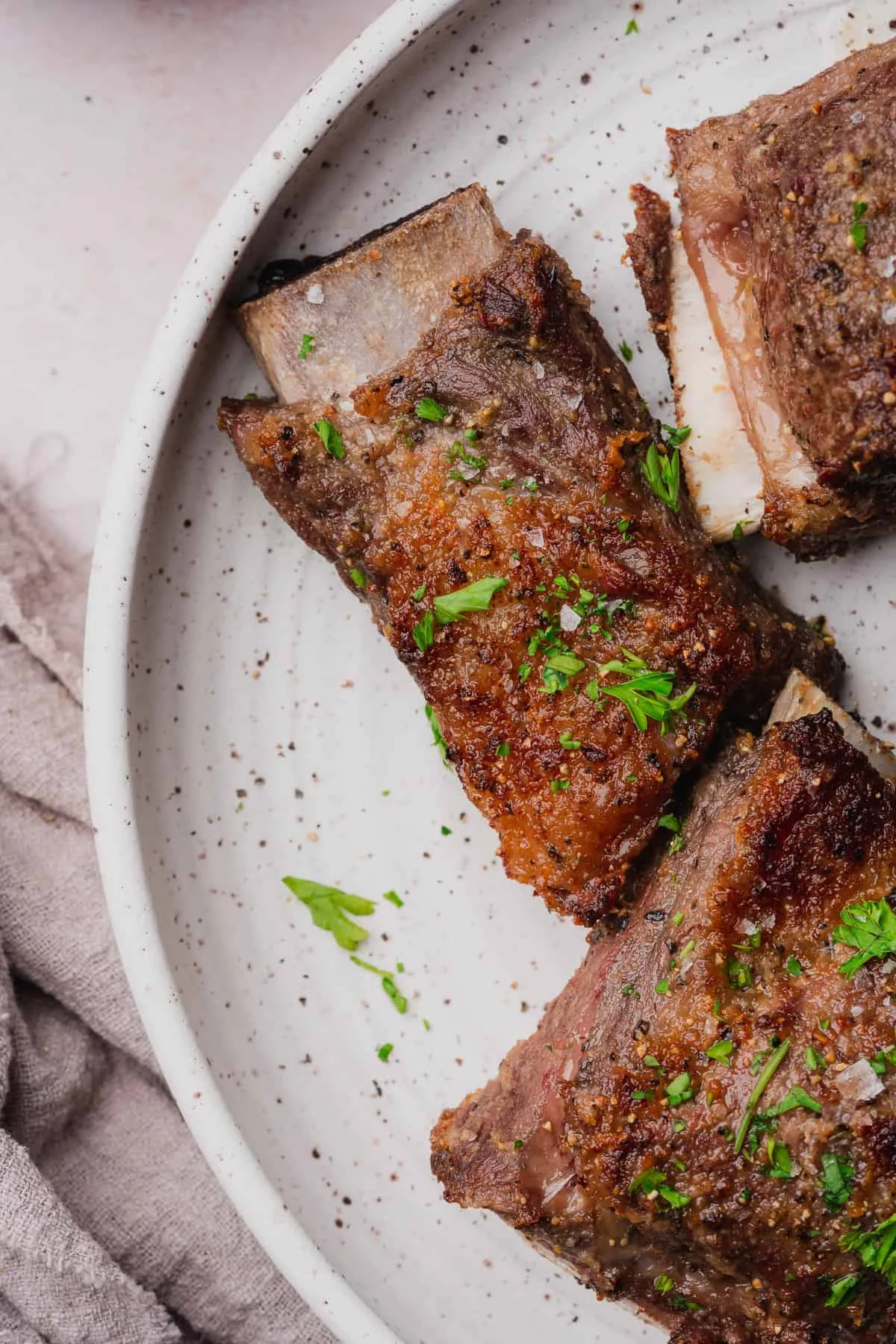
Image source: Web (Bing) / deporecipe.co (Web image (fair-use with source credit))
For an extra layer of flavor, consider a quick glaze or sauce after cooking. While the ribs rest, you can reduce the rendered juices from the air fryer drawer with a splash of beef broth or a tablespoon of balsamic vinegar. Brush this lightly over the rested ribs for a glossy, flavorful finish.
This approach to building flavor is similar to techniques used in a hot honey chicken salad.
Finally, know your appliance. Air fryer wattage and heating elements vary. The times given are a solid starting point, but treat them as a guide.
Your ribs are done when they hit the correct internal temperature, not when a specific timer goes off. Use the visual and tactile cues alongside your thermometer.
Frequently Asked Questions
Can I cook frozen short ribs in the air fryer?
You can, but you shouldn't for this recipe. Cooking frozen English-cut short ribs will result in an overcooked exterior and a cold, undercooked center. The thick cut makes even thawing impossible.
Always thaw your ribs completely in the refrigerator first, then pat them dry.
Why are my ribs tough and not tender?
Tough ribs mean they were undercooked. You likely pulled them out before the connective tissue had broken down. Remember, short ribs need to reach 200-205°F internally to become tender.
If they were tough, use a thermometer next time and cook them longer.
Do I need to add liquid or broth to the basket?
No, do not add any liquid. Adding liquid creates steam, which prevents browning and crisping. The ribs will render their own fat and juices as they cook, which is all the moisture they need.
You want a dry, hot environment for the best crust.
How many short ribs can I cook at once?
This depends entirely on your air fryer's basket size. The rule is a single layer with space between each piece. For a standard 5-6 quart model, that's usually two to four English-cut ribs.
Check your air fryer's manual for its capacity. For more people, cook in batches and keep the first batch warm in a low oven.
Can I make a sauce from the drippings?
Absolutely. After removing the ribs, carefully pour the rendered fat and juices from the air fryer drawer into a small saucepan. Let the fat separate and skim off some of the excess if desired.
Add a splash of red wine, broth, or a dollop of tomato paste. Simmer until slightly thickened for a rich, quick sauce.
Are air fryer short ribs healthy?
They can be a healthier option compared to some methods. The air fryer renders out a significant amount of fat, which drips away into the drawer. You're not cooking them in added oil or butter.
They're a high-protein meal, but like any red meat, they are best enjoyed in moderation as part of a balanced diet.