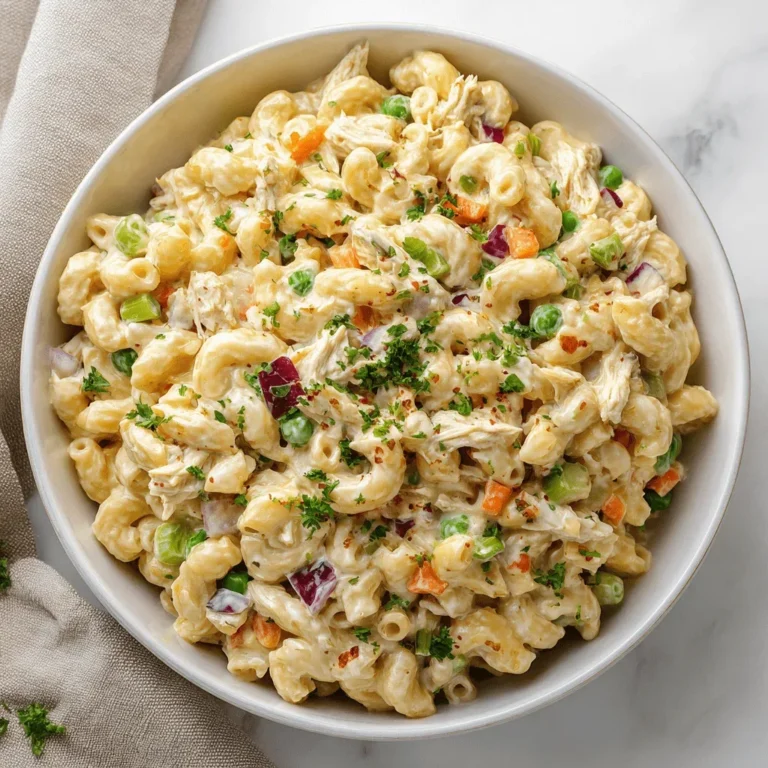
How to Make the Best Shredded Chicken Salad
Shredded chicken salad looks easy, but it has a way of going wrong. Dry chicken, gluey mayo, soggy celery, zero crunch. Most people follow one recipe, hit one problem, and assume chicken salad just isn't for them.
The real issue is that there's no single right version.
USDA guidance says cooked chicken stays safe for 3 to 4 days in the fridge, and it needs to hit 165°F before it's technically done. That matters more than you'd think. It tells you how far ahead you can prep, and it shapes which chicken source makes sense.
As of 2026, most home cooks still pick between three starting points: a rotisserie bird, poached breasts, or a can of chicken.
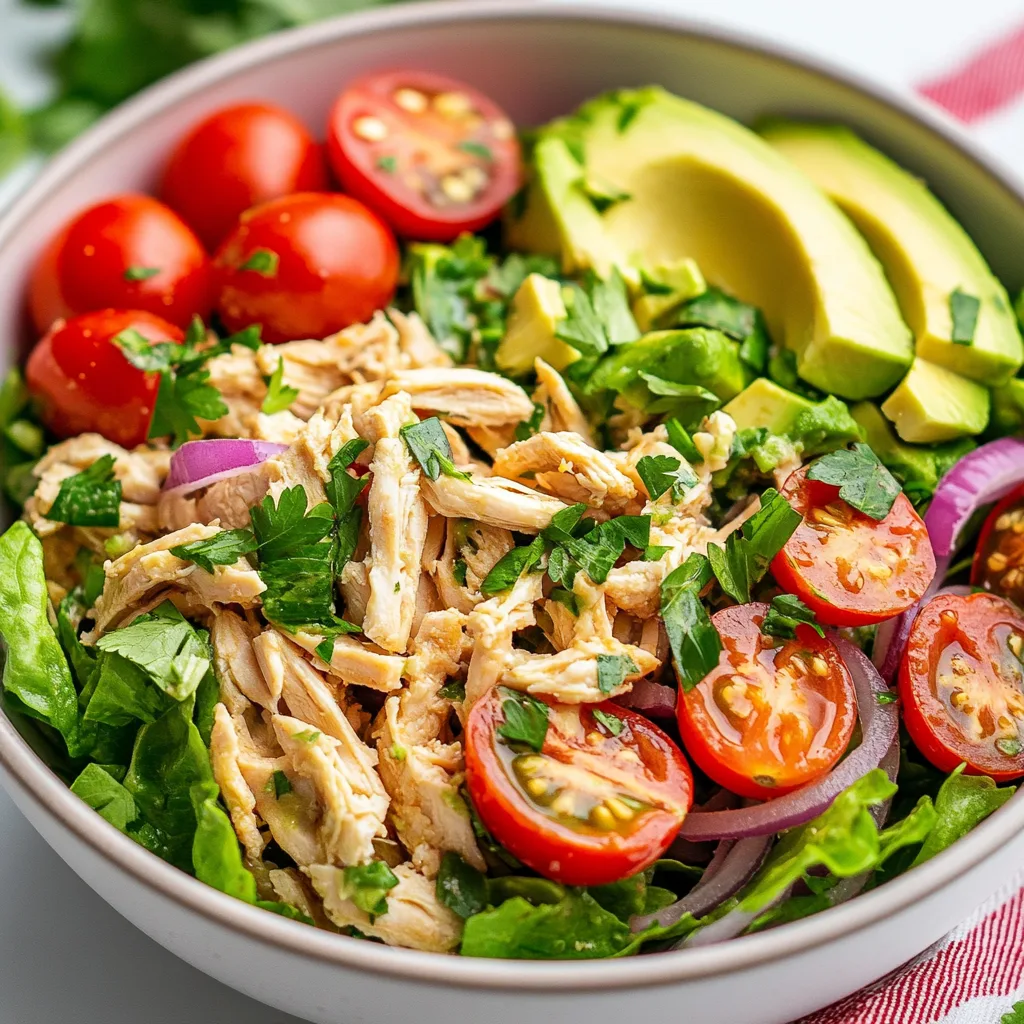
Image source: Bing (Web (fair-use with source credit))
Why Shredded Chicken Salad Isn't One Recipe
Here's the thing. The best shredded chicken salad for a summer picnic is not the same as the best one for a week of desk lunches. One needs to hold up at room temperature.
The other needs to survive four days without turning watery.
So before you even pick a recipe, ask what you're optimizing for. That single question changes your chicken, your dressing, and your add-ins.
The three variables that matter most:
- Chicken source: Rotisserie, poached breast, thighs, or canned.
- Dressing base: Mayo, Greek yogurt, or avocado.
- Flavor direction: Classic deli, Waldorf, curried, or Southern.
Get those three right, and the rest is just seasoning. Get one wrong, and no amount of extra mayo can save it.
That's why this article walks you through each choice. You'll end up with a recipe that fits your actual situation, not a random one from a blog.
Quick Answer: What Most People Get Wrong About Chicken Salad
The fastest route is a rotisserie chicken and a light mayo base. Add crunchy mix-ins and shred while warm. Chill for thirty minutes before serving.
That's it.
Now, the common mistakes. The biggest one is starting with cold, dry chicken. Cold meat shreds into rubbery strings, and it soaks up dressing like a sponge.
You end up adding more mayo, which makes things worse.
Second mistake: overdressing. Your salad should look glossy, not soupy. If it looks wet in the bowl, it'll be a puddle by morning.
Third: skipping acid. A squeeze of lemon or a teaspoon of vinegar wakes up the whole thing. Mayo alone is flat.
Rotisserie Chicken vs Poached Chicken vs Canned Chicken: The Core Meat Showdown
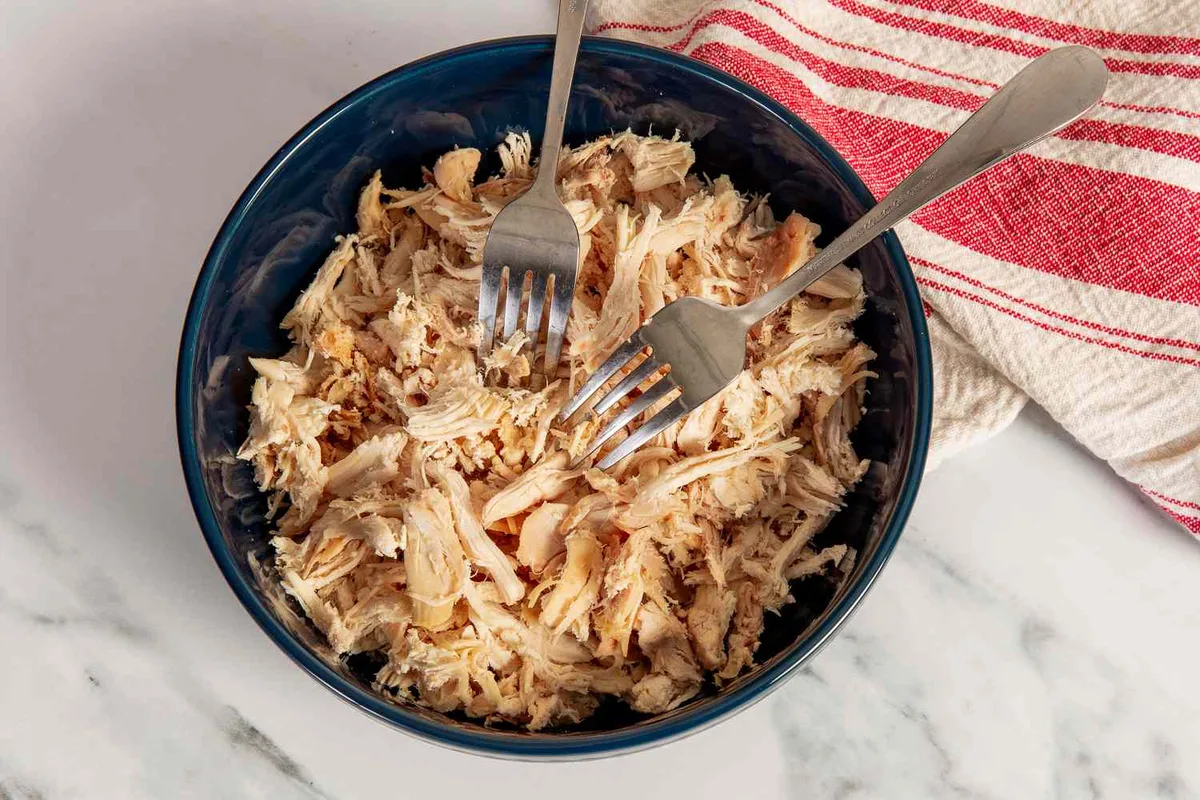
Image source: Web (Bing) / allrecipes.com (Web image (fair-use with source credit))
Your chicken is the backbone. Everything else builds on it. Here's how the three main options stack up.
| Source | Flavor | Texture | Effort | Cost |
|---|---|---|---|---|
| Rotisserie chicken | Smoky, salted, seasoned | Tender, moist | Shred only | $6 to $8 per bird |
| Poached chicken breast | Clean, neutral | Lean, shreds well | Poach plus shred | $3 to $5 per pound |
| Canned chicken | Salty, mild | Soft, mushy | Open and drain | About $3 per 12.5 oz can |
Rotisserie: the flavor shortcut
Rotisserie is the hands-down winner for taste. The skin and seasoning infuse the meat, so you get a head start. It's also the most forgiving when you're in a rush.
If you want the full breakdown of working from a deli bird, we've covered the process in a separate guide.
One warning: pull the meat while it's still warm. Cold rotisserie chicken is harder to shred and drier to eat.
Poached breast: the clean slate
Poached chicken is exactly what it sounds like. You simmer the breast in water or broth until it hits 165°F, then shred it. Per USDA food safety guidelines, that temperature is the minimum for poultry.
The result is a clean, neutral flavor. You control the salt, the herbs, everything. It's perfect for lighter dressings, but it needs more seasoning than rotisserie.
Canned chicken: the backup plan
Canned chicken works in a pinch. It's already cooked, already shredded, and shelf-stable. The downside is texture.
It's softer, brinier, and a little mushy.
Rinse it and pat it dry before mixing. That gets rid of the tinny taste. It's fine for a quick lunch, just don't expect deli quality.
Mayonnaise vs Greek Yogurt vs Avocado: Choosing Your Base
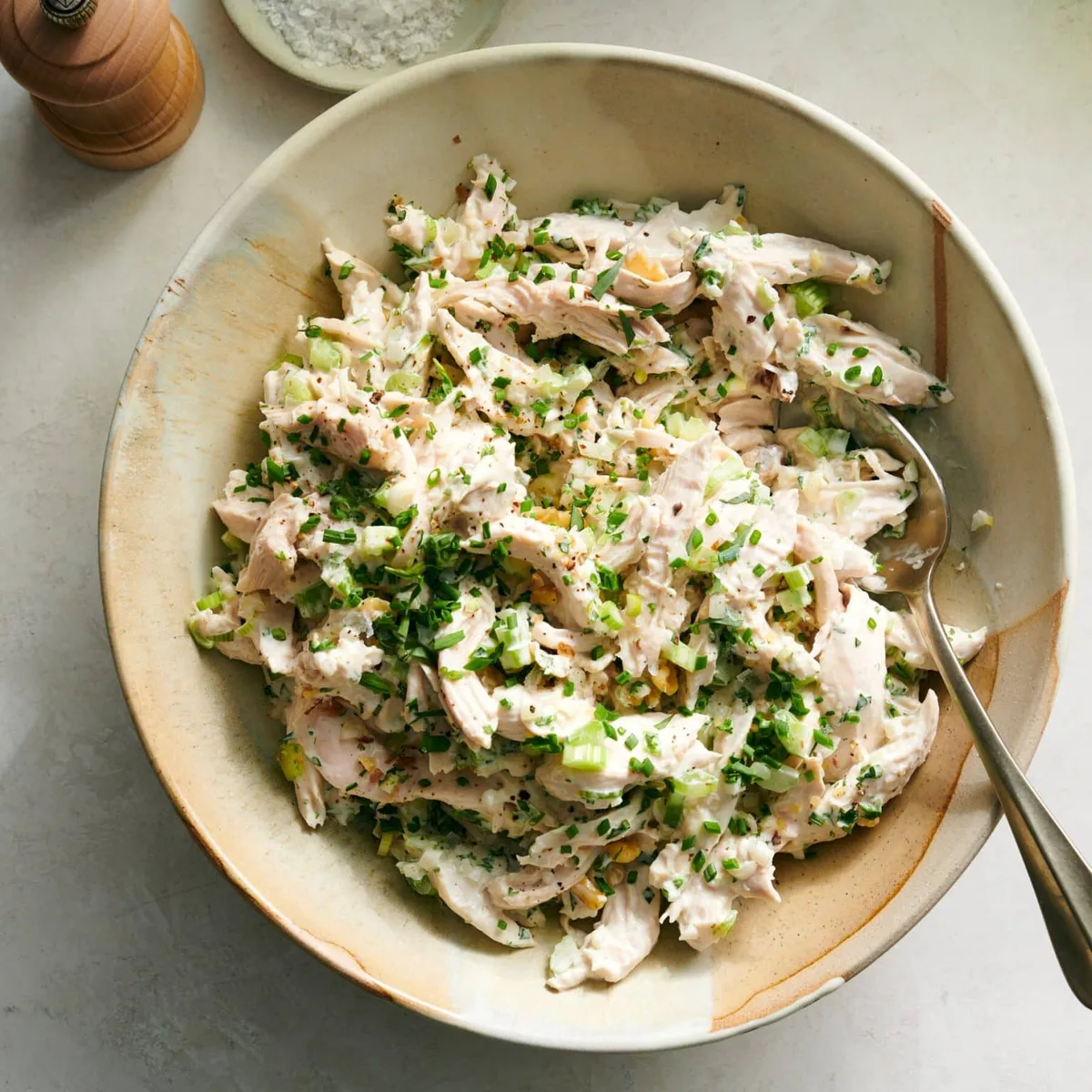
Image source: Web (Bing) / barefootfarmbyron.com (Web image (fair-use with source credit))
The dressing is where most chicken salads go wrong. Too much mayo and you get a gluey mess. Too little and the chicken tastes naked.
Here's how the three bases break down.
| Base | Calories per 2 tbsp | Texture | Shelf life |
|---|---|---|---|
| Full-fat mayo | About 180 | Rich, creamy | 3 to 4 days |
| Greek yogurt | About 30 | Thick, tangy | 3 to 4 days |
| Avocado | About 70 | Dense, smooth | Best same day |
Mayo: the classic
Full-fat mayo gives you that rich, deli-style texture. Light mayo works, but it's sweeter and less stable. Stick with full-fat and thin it with a splash of lemon or pickle juice.
Greek yogurt: the lighter swap
Plain Greek yogurt cuts calories and adds protein. The catch is thickness. It's much thicker than mayo, so loosen it with a little water, lemon, or olive oil.
If that's the route you want, the creamy yogurt version is a solid reference point.
Avocado: the dairy-free option
Mashed avocado makes a rich, green dressing with healthy fats. It's best eaten the same day, because it browns and turns slimy overnight. It also pairs well with lime and cilantro if you want a fresh spin.
Classic Deli Style vs Waldorf vs Curried: Which Flavor Direction Wins?
Once you've picked your chicken and your base, it's time for add-ins. Three flavor families dominate, and each one handles differently.
| Direction | Signature add-ins | Best base | Best served |
|---|---|---|---|
| Classic deli | Celery, onion, fresh dill | Mayo | Sandwich |
| Waldorf | Grapes, apple, walnuts | Greek yogurt | Lettuce wrap |
| Curried | Raisins, almonds, curry powder | Mayo | Crackers or croissant |
Classic deli style
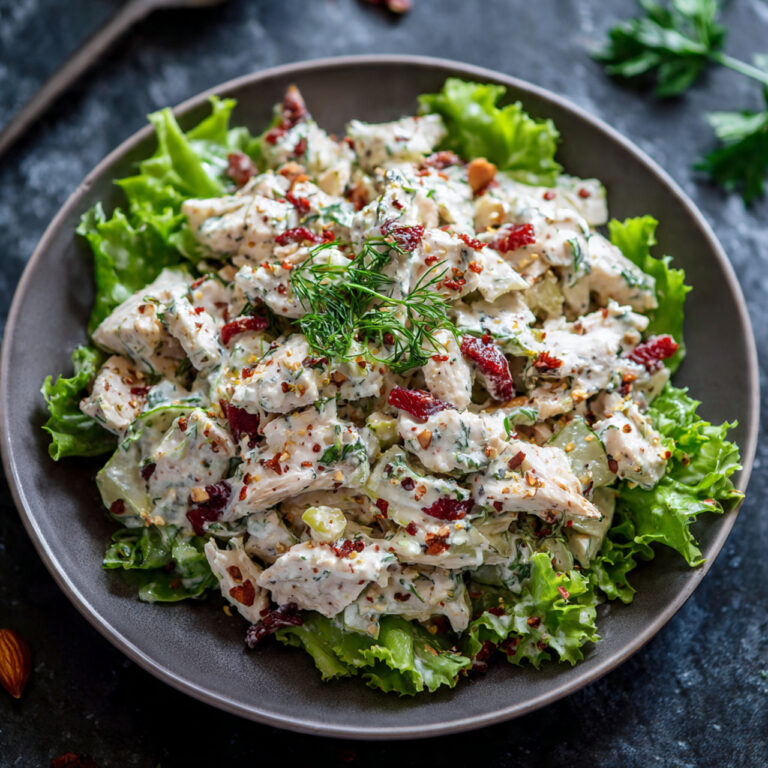
This is the crowd-pleaser. Celery, onion, and fresh dill. Clean, crunchy, and it works on bread or crackers.
The Southern version adds pickles and sometimes hard-boiled egg. If you want, one regional spin is worth checking out.
Waldorf
Waldorf brings grapes, apples, and toasted walnuts. It's sweet and savory at once, and it pairs best with a lighter dressing. The acid from the fruit keeps things bright.
It also holds up well in a lettuce wrap.
Curried
Curried chicken salad is warm, aromatic, and a little unusual. Curry powder, raisins, and almonds. It handles mayo exceptionally well, because the spices cut through the fat.
Serve it on crackers or a croissant for something different.
If you're counting protein, this whole dish can take a higher-protein turn by swapping in Greek yogurt and adding extra chicken. And when you've got leftovers, turning them into sandwiches is an easy win.
Side-by-Side Comparison: Chicken, Dressing, and Add-Ins at a Glance
If you're skimming, here's the whole decision in one table.
| Decision | Option 1 | Option 2 | Option 3 |
|---|---|---|---|
| Chicken | Rotisserie: most flavor | Poached: most control | Canned: most convenient |
| Dressing | Mayo: classic richness | Greek yogurt: lighter, tangier | Avocado: dairy-free |
| Add-ins | Celery and dill: crunch | Grapes and walnuts: sweet | Curry and raisins: warm spice |
Mix and match based on the occasion. Rotisserie plus mayo makes the richest salad. Poached chicken plus yogurt makes the leanest.
Canned plus avocado makes the fastest.
There's no winner overall. There's only the best version for your plate.
Best Shredded Chicken Salad for Meal Prep Lunches
For meal prep, use poached chicken breast and Greek yogurt. The neutral flavor takes seasonings well, and the yogurt keeps it from going greasy. This is also the leanest base, so you have room for fun add-ins.
Portion into airtight containers, about 3/4 cup each. It holds up for 3 to 4 days per USDA guidelines. Cut celery into bigger chunks, they stay crunchier.
Here's a formula that scales well:
- 1 pound shredded poached chicken
- 1/2 cup plain Greek yogurt
- 2 celery stalks, sliced thick
- 1/4 cup red onion, finely diced
- Juice of half a lemon
- Salt and pepper to taste
If you're looking for more lean recipe inspiration beyond lunch, these mix-and-match chicken meal ideas have you covered.
Best Shredded Chicken Salad for Low-Carb and High-Protein Eaters
Rotisserie chicken and avocado is the go-to for low-carb eaters. Both add richness, and neither touches sugar. Greek yogurt works too, and it adds a protein boost.
Skip the grapes and apples. They spike the carb count quickly. Stick with celery, cucumber, and radishes for crunch.
A half-cup serving with Greek yogurt runs roughly 20 to 25g of protein. Swap in avocado and it's closer to 18g, but you gain healthy fats that keep you full longer.
Serve it in lettuce wraps instead of bread. Butter lettuce holds up best. Keep the dressing on the thinner side so it doesn't tear the leaves.
Best Shredded Chicken Salad for Picnics, Potlucks, and Family Dinners
Rotisserie chicken, full-fat mayo, and classic deli add-ins are the crowd-pleasing combo. It's rich, familiar, and it tastes like the deli counter.
Waldorf style is the backup pick. The grapes and walnuts make it feel special, and it goes further for bigger groups.
Food safety is the real issue here. Cold salads must stay below 40°F. Per the USDA's food safety guidance, perishable food should not sit at room temperature for more than two hours.
If you're outdoors and it's above 90°F, cut that down to one hour.
Set the bowl inside a larger container filled with ice. Restock with fresh bowls when the main one gets too warm.
Step-by-Step: How to Shred Chicken for the Perfect Texture
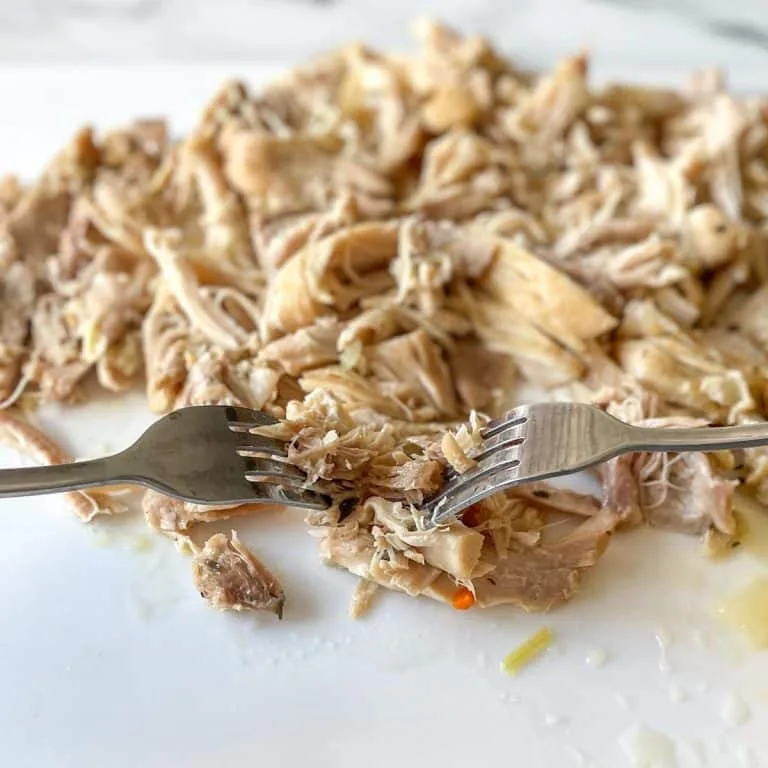
Image source: Web (Bing) / twocloveskitchen.com (Web image (fair-use with source credit))
The fastest method is the two-fork pull. Hold the chicken in place with one fork, scrape down with the other. Work while the meat is warm but cooled enough to handle, roughly 10 minutes after cooking.
For big batches, a stand mixer with the paddle attachment works beautifully. Add the meat, run it on low for 30 seconds. Done.
Just don't overmix, or you'll get paste.
Shred against the grain. That gives you short, tender strands that hold dressing without turning into glue. Keep some chunks for texture.
You want a mix, not baby food.
Common Mistakes That Ruin Shredded Chicken Salad
The biggest mistake is overdressing. Your salad should look glossy, not soupy. If it looks wet in the bowl, it'll be a puddle by morning.
Second is using dry, cold chicken. Cold meat shreds into rubbery strings. It also soaks up dressing like a sponge, which tempts you to add more mayo.
Third is skipping acid. A squeeze of lemon or a teaspoon of vinegar wakes up the whole thing. Mayo alone tastes flat.
Fourth is adding watery mix-ins without balance. Raw apple and cucumber release moisture overnight. Toss them in at the last minute, or pat them dry first.
Finally, don't forget salt. Chicken salad needs more seasoning than you think. Taste it, add salt, taste again.
What It Actually Costs: Grocery Bill, Yield, and Serving Data
| Source | Price | Yield | Cost per serving |
|---|---|---|---|
| Rotisserie chicken | $6 to $8 | 2.5 to 3 cups shredded | About $1.50 |
| Poached chicken breast | $3 to $5 per pound | About 2 cups per pound | About $1.25 |
| Canned chicken | $3 per 12.5 oz can | About 1.5 cups | About $1.00 |
A standard serving is about a half cup. That's roughly 110 to 130 grams.
Feeding four people? A single rotisserie bird covers it. Feeding eight?
Buy two or add a can of chicken to stretch it.
For a family dinner, a Southern-style version stretches nicely with extra celery and a boiled egg. If you're planning a deli-style spread, a surefire chicken pasta salad is another budget-friendly option.
Storage and Food Safety: How Long It Lasts and When to Toss It
Shredded chicken salad keeps for 3 to 4 days in the fridge. That's the USDA guideline for cooked poultry. Store it in an airtight container.
Don't leave it out. Per FoodSafety.gov, perishable food should sit at room temperature for no more than two hours. If it's above 90°F outside, that drops to one hour.
For picnics, set the bowl over ice. Swap in a fresh bowl when the serving one gets warm.
If you see watery liquid pooling on top, that's normal. Stir it back in, it's just dressing separation. If it smells sour or feels slimy, toss it.
No questions.
Frequently Asked Questions
How long does shredded chicken salad last in the fridge?
Shredded chicken salad stays fresh for 3 to 4 days when refrigerated in an airtight container. After that, the chicken starts to degrade and the dressing can turn. When in doubt, trust your nose.
Sour smell means it's time to throw it out.
Can you freeze shredded chicken salad?
You can freeze the chicken alone, but not the dressed salad. Mayo and yogurt separate when thawed, leaving a grainy mess. Freeze plain shredded chicken in a sealed bag for up to 3 months.
Thaw overnight in the fridge, then mix your dressing fresh.
Why is my chicken salad watery?
Watery chicken salad usually means you overdid the mayo or added wet mix-ins. Thick slices of celery and raw apple release moisture. Pat everything dry before mixing.
Also, don't overdress. The salad should look glossy, not saturated.
What's the best chicken to use for chicken salad?
Rotisserie chicken gives the most flavor with zero effort. Poached breast gives you a clean base that takes seasonings well. Canned chicken is the budget backup but has a softer texture.
Pick based on your time and flavor preference.
How do I make chicken salad less dry?
Add dressing gradually and don't skimp on acid. A splash of lemon juice or pickle brine adds moisture without extra fat. Also, use dark meat if you can.
Chicken thighs stay juicier than breasts.
Final Verdict: The Best Shredded Chicken Salad for Every Situation
There's no single best recipe. There's only the right one for your plate.
For meal prep: Poached chicken, Greek yogurt, thick-cut celery. High protein, low fat, holds up all week.
For picnics: Rotisserie chicken, full-fat mayo, classic dill and onion. Rich, familiar, crowd-approved.
For low-carb: Rotisserie or poached chicken, avocado base, crunchy veggies. Serve in lettuce wraps.
For a quick lunch: Canned chicken, a little mayo, and whatever herbs you have. Five minutes, zero cooking.
Start with the decision table, pick your situation, and build from there. The technique is forgiving. The ratios are flexible.
Just taste as you go, and adjust the salt.