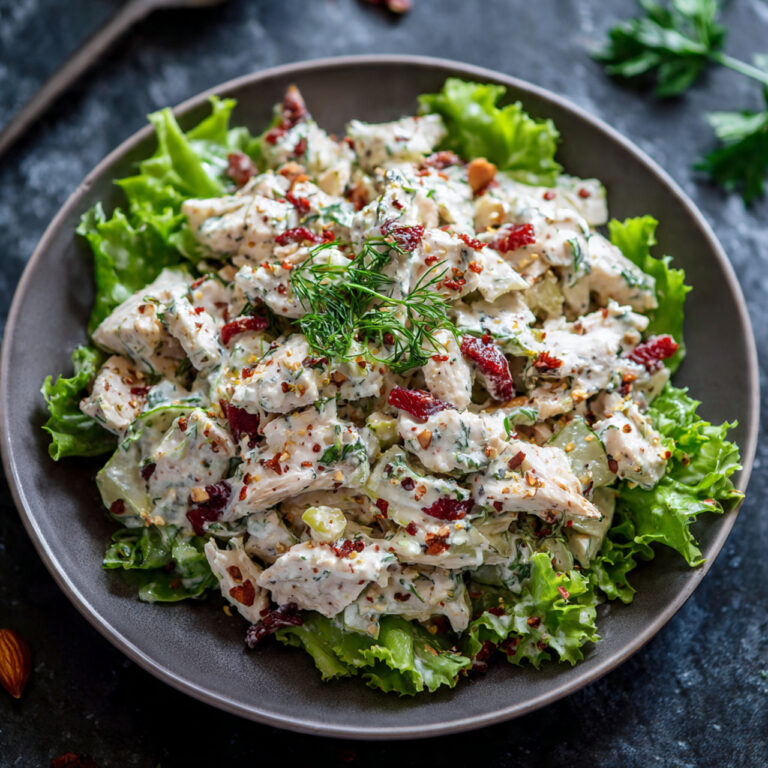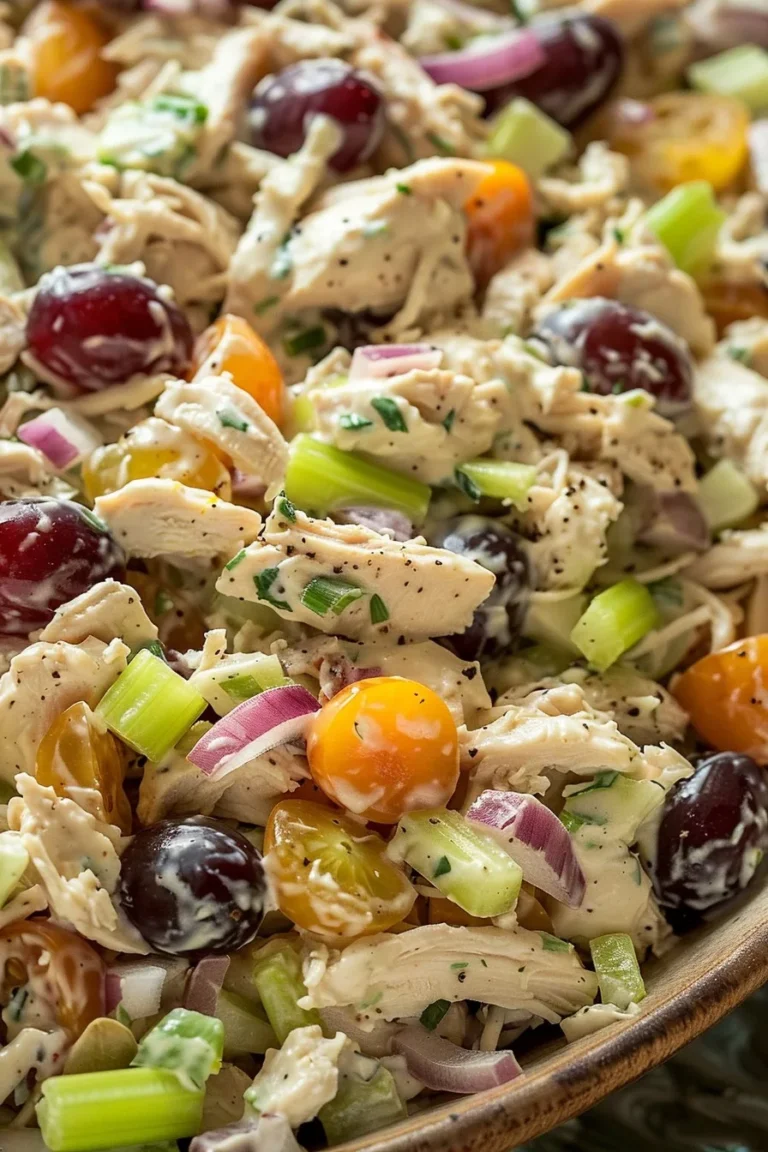
Chicken Cabbage Salad: Easy, Crunchy, and Healthy
You've made chicken cabbage salad before. It started great, then turned into a watery mess by the next morning. Chicken cabbage salad is one of the easiest one-bowl meals you can make.
It's also one of the easiest to get wrong.
The good news? You don't need a magic recipe. You need a few smart choices before you start.
As of 2026, the most common pitfalls haven't changed: soggy cabbage, bland dressing, and dry chicken. Per USDA food safety standards, chicken needs to hit 165°F internally, but that's just the starting point. The real trick is picking the right path for your time, your taste, and your budget.
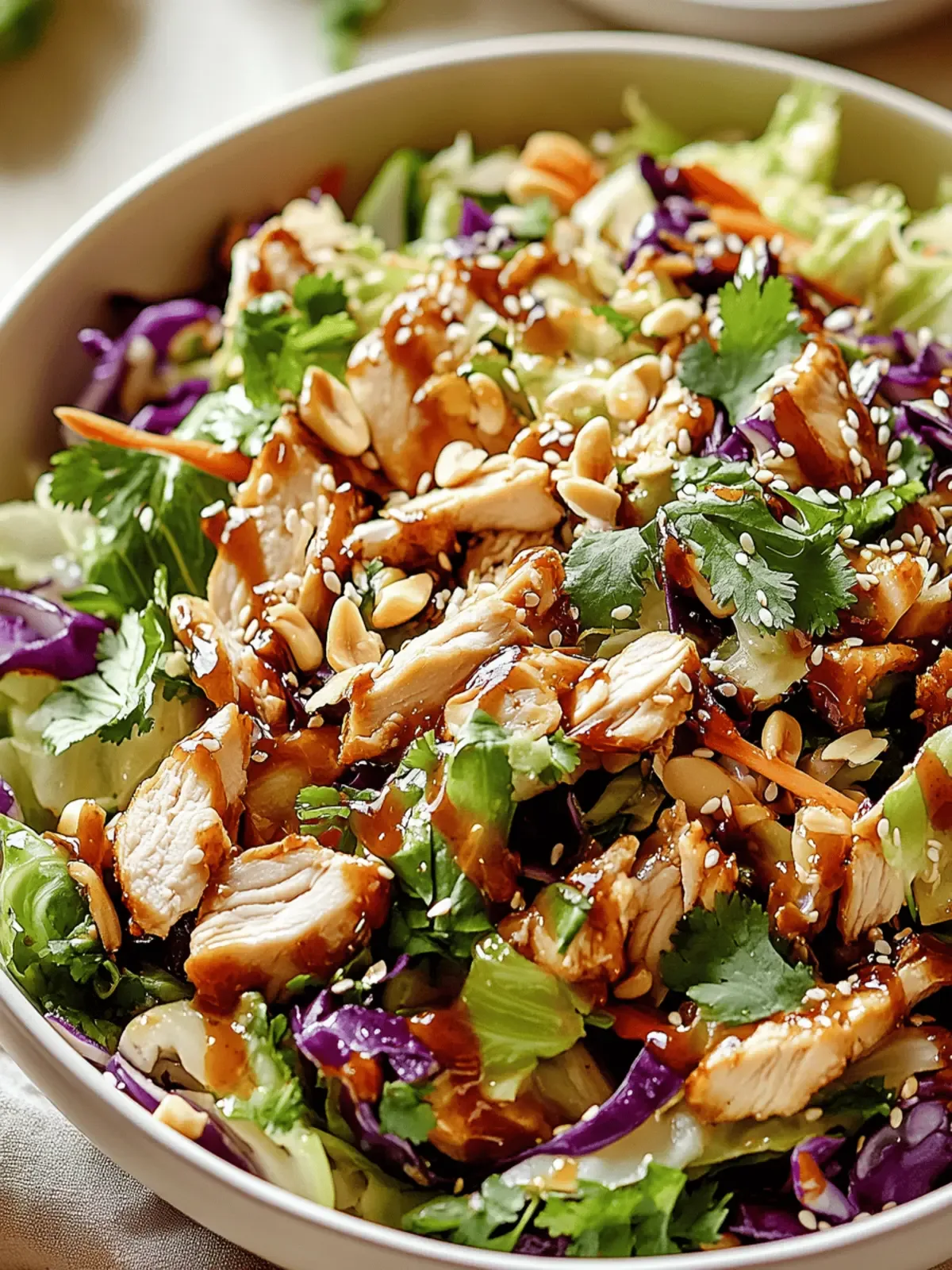
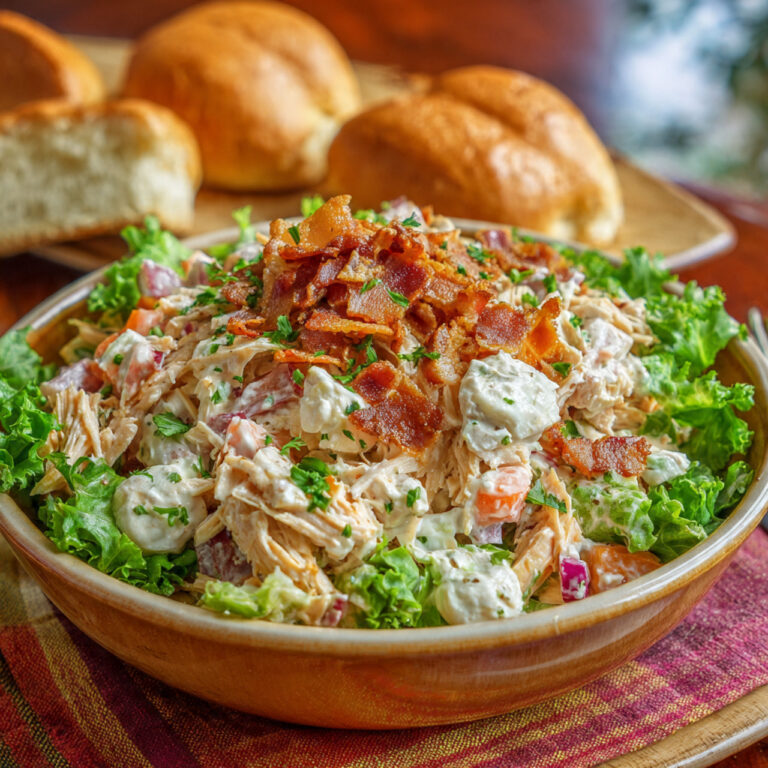
Image source: Web (Bing) / melanyrecipes.com (Web image (fair-use with source credit))
The Real Problem: Soggy, Bland Chicken Cabbage Salad
Most chicken cabbage salad recipes fail in the same way. The cabbage releases water after you add the dressing. The chicken turns rubbery.
The whole bowl tastes like an afterthought. Then you eat one sad forkful and wonder why you bothered.
The root cause is almost always a mismatch between ingredients and technique. A heavy mayonnaise dressing on raw green cabbage will wilt it quickly. A thin vinaigrette on napa cabbage might slide right off.
And if your chicken is dry, no dressing can save it.
So the fix isn't a better recipe. It's a better sequence of decisions. You need to choose your dressing, your cabbage, and your chicken based on how you want the final salad to behave.
Every option has a tradeoff, and that's fine. You just need to know which tradeoff matches your plan. This guide walks you through each fork in the road, one decision at a time.
Quick Answer: Pick Your Path Before You Start
Start with the finish line. If you want a creamy, hearty side dish, use mayo and green cabbage. If you want a light, tangy meal, use vinaigrette and napa cabbage.
If you're meal prepping, keep dressing on the side. For speed, use rotisserie chicken. For lean protein, poach your own breasts.
Here's the decision tree in plain terms:
| If you want… | Choose… |
|---|---|
| Quick and satisfying | Rotisserie chicken + creamy dressing |
| Light and refreshing | Vinaigrette + napa cabbage |
| Meal prep that lasts | Dressing on the side + green cabbage |
| Low-carb and filling | Extra chicken + yogurt dressing |
That's the whole mental model. Everything else is details. Now let's break down each choice so you can build your perfect version.
The First Decision: Creamy vs. Tangy Dressing
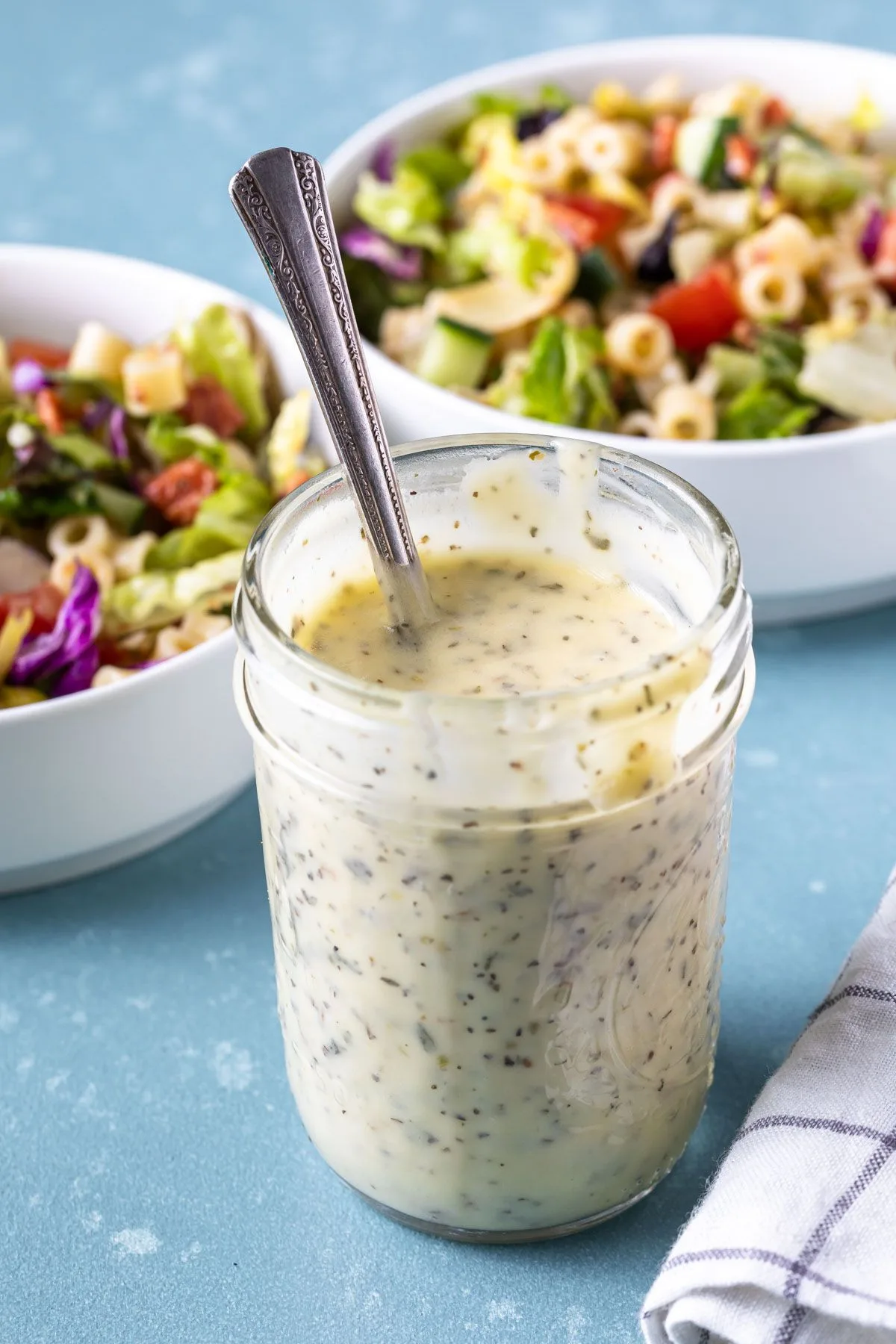
This is the biggest fork in the road. Your dressing choice affects everything else, including which cabbage you pick and how long the salad stays fresh. So decide this first.
Creamy Path: Mayo or Yogurt
Creamy dressings are rich, coating, and forgiving. They bind the salad together and make it feel like a full meal. Mayonnaise is the classic base.
It's thick and emulsified, which means it clings to cabbage without separating. Yogurt is a lighter alternative. It adds tang and protein, but it's thinner, so you'll need to adjust seasoning.
Creamy dressings are best when you want a hearty salad that stands up to bold add-ins. Think crunchy carrots, shredded cheese, or toasted nuts. They also pair well with cold, shredded chicken.
If you're serving this at a barbecue or potluck, creamy is usually the safer crowd-pleaser.
Tangy Path: Vinaigrette
Vinaigrettes are bright, sharp, and light. They let the cabbage stay crunchy and the chicken taste like chicken. A basic version uses oil, vinegar, and a pinch of salt.
Add honey or Dijon for balance, or ginger and sesame for an Asian twist.
The tradeoff? Vinaigrettes don't coat as thickly. They also won't mask dry chicken, so you need properly cooked meat.
But they keep the salad tasting fresh, not heavy. If you're eating this for lunch in summer or meal prepping for the week, tangy is the way to go.
Here's a quick comparison:
| Factor | Creamy | Tangy |
|---|---|---|
| Texture | Thick, clinging | Thin, bright |
| Best cabbage | Green (sturdy) | Napa (delicate) |
| Protein match | Shredded dark meat | Poached or grilled breast |
| Fridge life | 2 days dressed | 3 days dressed |
| Best for | Potlucks, BBQ | Lunch bowls, meal prep |
The Second Decision: Which Cabbage and How to Prep It
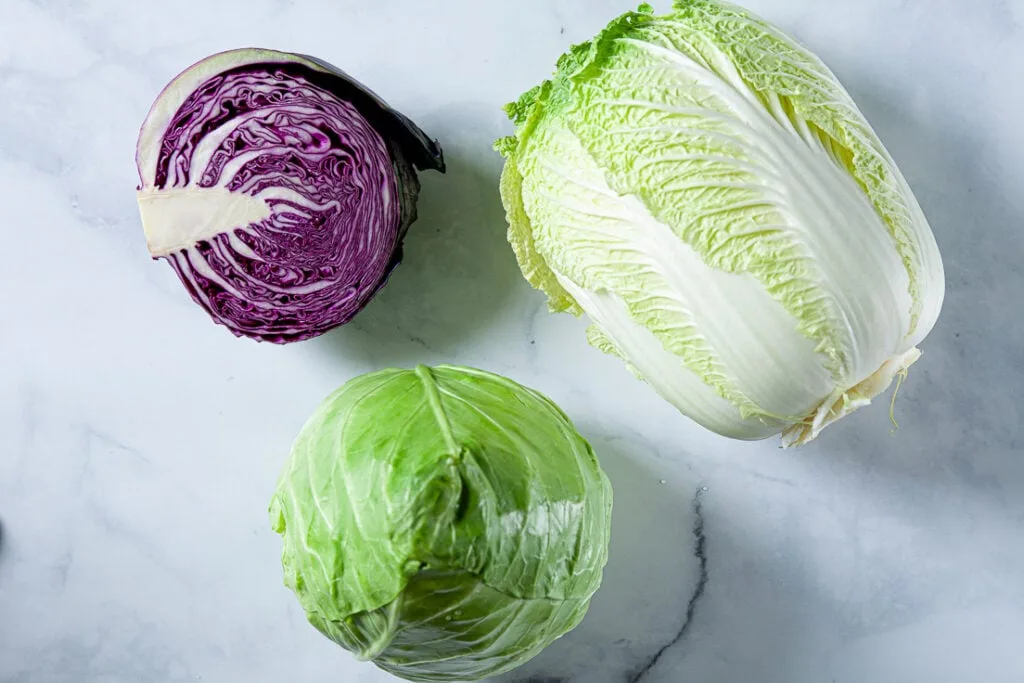
Cabbage isn't cabbage. Each variety behaves differently under dressing, and picking the wrong one is a classic mistake. Here's the breakdown.
Green vs. Napa vs. Red Cabbage
Green cabbage is the workhorse. It's dense, crunchy, and holds up well for days. It has a mild cabbage taste and a sturdy texture that stands up to creamy dressings.
If you want a salad that survives a few days in the fridge, green is your answer.
Napa cabbage is softer and sweeter. Its leaves are tender, almost like lettuce, but they still have some crunch. Napa works beautifully with vinaigrettes and lighter flavors.
It wilts faster than green cabbage, so eat it within a day or two.
Red cabbage is visually striking and even crunchier than green. It has a slightly peppery bite and a gorgeous purple color. The downside?
It's tougher and takes longer to soften. Slice it thinly, and consider massaging it with a little salt before dressing.
Here's a quick cheat sheet:
| Type | Crunch | Sweetness | Best dressing | Fridge life |
|---|---|---|---|---|
| Green | High | Low | Creamy | 4–5 days |
| Napa | Medium | High | Vinaigrette | 2–3 days |
| Red | Very high | Low | Creamy or vinaigrette | 4–5 days |
Salting or Massaging for Better Crunch
Raw cabbage can taste harsh and release water after dressing. Two simple techniques fix that.
Salting draws out moisture. Toss shredded cabbage with a teaspoon of salt per pound, let it rest for 15 minutes, then squeeze out the liquid. This concentrates flavor and keeps the salad from turning watery later.
Massaging softens texture. Rub the cabbage with your hands for a minute or two until it turns slightly translucent. This works well for napa and green cabbage, especially when you want a more tender bite without cooking.
If you're using a vinaigrette, try salting. If you're using a creamy dressing, massaging is usually enough. Either way, you're solving the soggy salad problem before it starts.
The Third Decision: Chicken That Fits Your Time
Now for the protein. Your chicken choice affects the overall flavor, prep time, and how the salad holds up. There's no wrong answer, but there is a right answer for your schedule.
Rotisserie Shortcut
This is the fastest route to dinner. A store-bought rotisserie chicken gives you tender, seasoned meat with zero cooking time. Shred it with two forks and you'll have about three cups of meat from a standard bird.
Rotisserie chicken works with both creamy and tangy dressings. Its moisture and flavor help carry a simple slaw. If you're making a quick weeknight meal, this is the path.
You can even build a full rotisserie chicken salad from scratch if you want ideas for the leftovers.
Poached Chicken Breast
Poaching is the lean, clean option. It takes about 15 to 18 minutes and requires nothing more than water, salt, and maybe a bay leaf or garlic clove. The chicken stays tender and mild, which means it won't overpower your dressing.
Per foodsafety.gov, chicken is safe to eat once it reaches 165°F. Use a thermometer to check the thickest part of the breast. Once it's cooked, let it rest for a few minutes before shredding.
Poached chicken is ideal for tangy dressings and lighter salads. It also keeps calories down if that's a goal.
Leftover or Grilled
Don't overlook leftovers. Grilled chicken adds a smoky char that works surprisingly well with creamy slaws. Shredded leftovers from a roast chicken dinner work too, as long as they're not dry.
The key is to shred the chicken while it's still slightly warm. Warm meat absorbs dressing better than cold meat. If your chicken is already cold, let it sit at room temperature for ten minutes before mixing.
For texture, aim for pieces about the size of your thumbnail. Too large and the salad feels chunky. Too small and it disappears into the cabbage.
This matters more than you'd think. If you're planning a protein-packed lunch, a shredded chicken cabbage salad is a smart choice, and you can pair it with other high-protein ideas for the week.
The Fourth Decision: Add-ins for Flavor and Crunch
Cabbage and chicken get you to a solid base. Add-ins take you to a memorable meal. The trick is matching them to your dressing path.
For creamy dressings, think hearty and savory. Shredded carrots, sliced radishes, chopped celery, and toasted pecans all work well. Add some sharp cheddar or crumbled feta if you want more richness.
For a little heat, diced jalapeño or a pinch of cayenne does the job.
For tangy vinaigrettes, lean into bright and aromatic flavors. Thinly sliced scallions, fresh cilantro, mint, or basil bring life. Sesame seeds, crushed peanuts, or crispy wonton strips add texture.
A little grated ginger or a squeeze of lime punch up the acidity.
Here's a quick pairing guide:
| Add-in | Creamy path | Tangy path |
|---|---|---|
| Carrots | Good | Good |
| Celery | Good | Good |
| Scallions | Good | Excellent |
| Cilantro | Fine | Excellent |
| Toasted nuts | Excellent | Good |
| Cheese | Excellent | Fine |
| Fresh herbs | Fine | Excellent |
| Dried cranberries | Good | Good |
Keep add-ins proportional. You want the cabbage and chicken to stay the stars. A good rule of thumb is one to one and a half cups of add-ins per pound of cabbage.
Anything more and you're making a different dish.
Step-by-Step Workflow: From Cabbage to Bowl
Here's the whole process in a clean sequence. Follow it in order and you'll avoid most of the classic failures.
Step 1: Shred the cabbage. Remove the core, then slice into thin ribbons. A sharp knife or a mandoline works best. Thinner is better, about an eighth of an inch.
Step 2: Salt or massage. For green or red cabbage, toss with salt and rest for 15 minutes. Squeeze out excess liquid. For napa, a quick massage is enough.
Step 3: Shred the chicken. Use two forks while the meat is slightly warm. Keep pieces around thumbnail size for the best texture.
Step 4: Make the dressing. Whisk everything together in a bowl or shake it in a jar. Taste and adjust salt and acid before adding it to the salad.
Step 5: Combine gently. Mix the cabbage and add-ins first. Then add the chicken. Pour the dressing over the top and fold until everything is coated evenly.
Step 6: Rest before serving. Let the salad sit for 10 to 15 minutes. This lets the flavors meld without turning the cabbage soggy.
Step 7: Store properly. Keep dressing on the side if you're meal prepping. Combine everything only when you're ready to eat.
Real-World Ratios and Measurements That Work
Getting the proportions right matters more than any single ingredient. Too much dressing drowns the salad. Too little leaves it dry and sad.
These are the numbers we come back to again and again.
For a standard serving, plan on about one cup of shredded cabbage and half a cup of shredded chicken per person. That gives you a satisfying bowl without overstuffing. For a family of four, that's four cups of cabbage and two cups of chicken.
Dressing is where people overdo it. Start with one tablespoon of dressing per cup of slaw. That's enough to coat everything without pooling at the bottom.
You can always add more, but you can't take it out.
For a vinaigrette, the classic ratio is three parts oil to one part vinegar. Add a teaspoon of Dijon or honey to help it emulsify. For creamy dressings, thin the mayo or yogurt with a tablespoon of lemon juice or vinegar to keep it from being too heavy.
Here's a reference table for common quantities:
| Ingredient | Amount for 4 servings |
|---|---|
| Shredded cabbage | 4 cups (about 1 small head) |
| Shredded chicken | 2 cups (about 1 lb) |
| Dressing | 4 to 6 tablespoons |
| Add-ins | 1 to 1.5 cups total |
| Salt (for salting) | 1 tsp per lb of cabbage |
Common Mistakes and How to Fix Them
Even experienced cooks make these mistakes. The good news is each one has a simple fix.
Mistake 1: Watery salad. This happens when salt draws moisture from cabbage after dressing is added. Fix it by salting the cabbage first and squeezing out the liquid before mixing. If the salad is already watery, drain off the excess liquid and add a bit more dressing.
Mistake 2: Bland flavor. The most common cause is underseasoning. Cabbage needs salt. Taste after mixing and add more salt, pepper, or acid.
A pinch of sugar can also balance bitterness.
Mistake 3: Dry chicken. This usually comes from overcooking. Poach gently and check temperature at 165°F. If your chicken is already dry, shred it finely and add a little extra dressing to compensate.
Mistake 4: Dressing separates. Vinaigrettes split when they sit. Shake the jar again just before use. For creamy dressings, add a teaspoon of mustard to keep the emulsion stable.
Mistake 5: Soggy leftovers. Dressed cabbage doesn't last. Store dressing separately and combine only when ready to eat. This keeps the crunch intact for days.
Meal Prep and Storage: Keeping It Crunchy
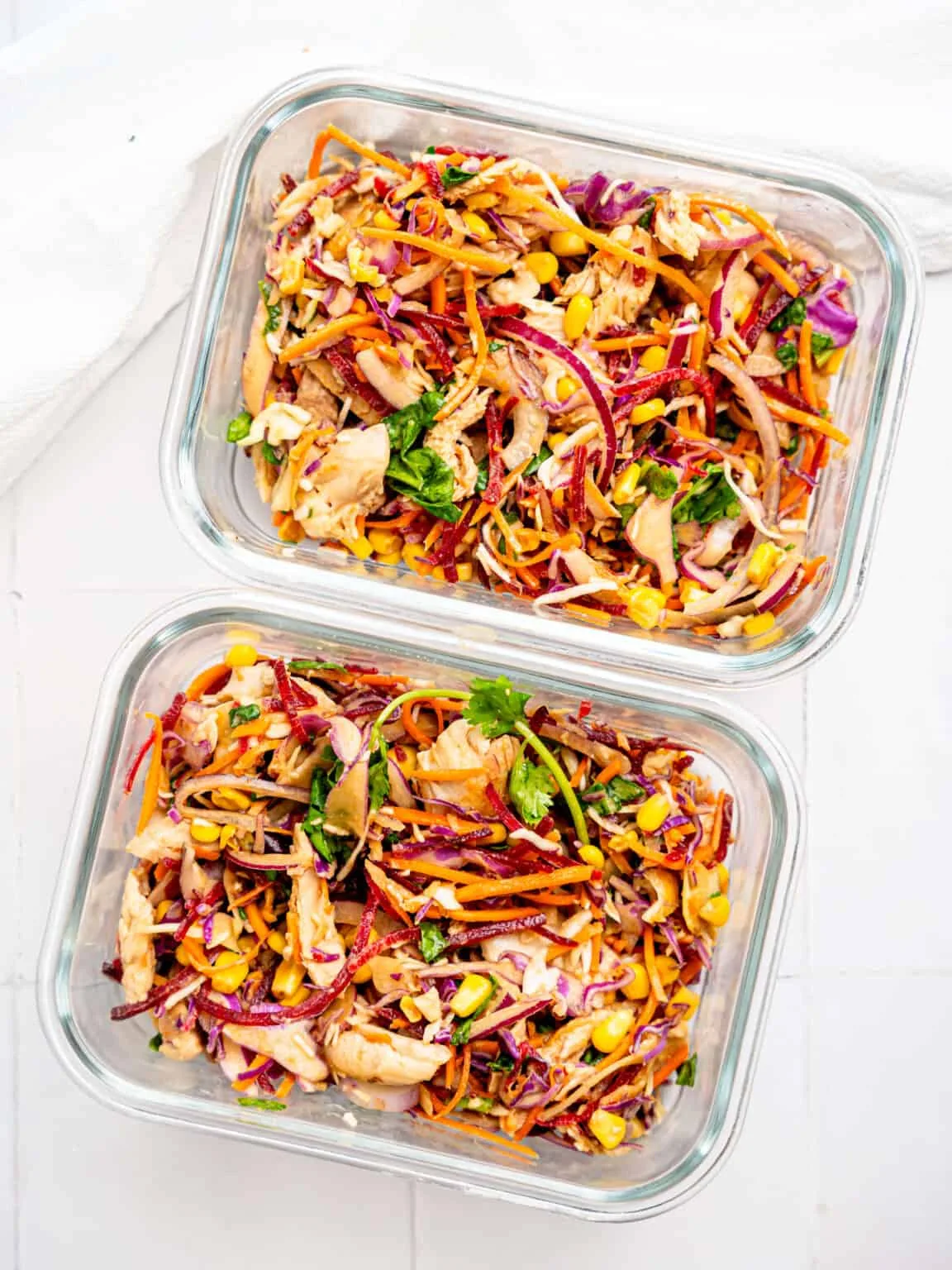
Chicken cabbage salad is a meal prep hero, but only if you store it right. The enemy is moisture. Once the dressing touches the cabbage, the clock starts ticking.
The best approach is simple: keep components separate. Store shredded cabbage, chicken, and dressing in separate containers. When you're ready to eat, combine one serving and shake or stir.
This gives you four to five days of fresh-tasting lunches.
If you prefer to dress the whole batch, eat it within two days. Creamy dressings break down faster than vinaigrettes. Keep the salad in an airtight container in the fridge, and give it a quick stir before serving.
One more tip: add delicate add-ins like fresh herbs or nuts right before eating. They lose their texture and flavor in the fridge. If you're packing lunches for the week, this little step makes a big difference.
Frequently Asked Questions
How long does chicken cabbage salad last in the fridge?
Dressed salad keeps for 2 to 3 days in an airtight container. Undressed, with components stored separately, it stays fresh for 4 to 5 days. Creamy dressings break down faster than vinaigrettes, so lean tangy if you're planning ahead.
Can I use bagged coleslaw mix instead of fresh cabbage?
Yes. Pre-shredded coleslaw mix saves time and works well. It's usually a blend of green cabbage and carrots.
Just skip the salting step, since bagged cabbage is already dry and cut fine, and massage it briefly if the pieces feel thick.
Should the salad be served cold or at room temperature?
Either works, but cold is more classic. Let the salad sit out for 10 to 15 minutes before serving if you want the flavors to open up. Warm chicken mixed into cold cabbage is fine, as long as the chicken was properly chilled after cooking.
Can I make this salad ahead of time?
Yes, with one rule. Store the dressing separately and combine everything right before eating. If you dress the whole batch, eat it within two days.
Add nuts, seeds, or fresh herbs just before serving so they stay crisp.
Is chicken cabbage salad good for weight loss?
It can be. A serving with vinaigrette and poached chicken runs about 250 to 300 calories with 25 to 35 grams of protein. Cabbage is low in calories and high in fiber, so it keeps you full.
Swap mayo for Greek yogurt to cut fat further.
What's the best chicken for this salad?
Rotisserie chicken is the most flavorful and fastest. Poached chicken breast is leanest and mildest. Grilled chicken adds smoky depth.
Use whatever fits your schedule, and shred it while warm so it absorbs the dressing better.
Your Decision Guide: Which Version Should You Make Tonight?
Here's the whole article in one quick decision tree.
If you're in a rush: Grab a rotisserie chicken and a bag of coleslaw mix. Use a creamy dressing and add shredded carrots. Dinner is ready in 15 minutes.
If you're meal prepping: Use green cabbage, poached chicken, and a vinaigrette. Keep the dressing on the side. Pack each lunch separately and combine when you're ready to eat.
If you're feeding a crowd: Go creamy with green cabbage, rotisserie chicken, and toasted nuts. Add dried cranberries for color. This version holds up well on a buffet table.
If you're watching calories: Choose napa cabbage, poached chicken, and a yogurt-based dressing. Load up on fresh herbs and scallions. Skip the nuts and cheese.
If you want maximum crunch: Use red cabbage, massage it well, and go with a tangy sesame vinaigrette. Add sliced radishes and crushed peanuts right before serving.
No single version is the best. The right one depends on your time, your fridge, and your taste. Start with the base formula, one cup of cabbage to half a cup of chicken, then adjust from there.
You'll nail it every time.