Air Fryer Cleaning Sponge Scratched the Coating? Fix It Fast
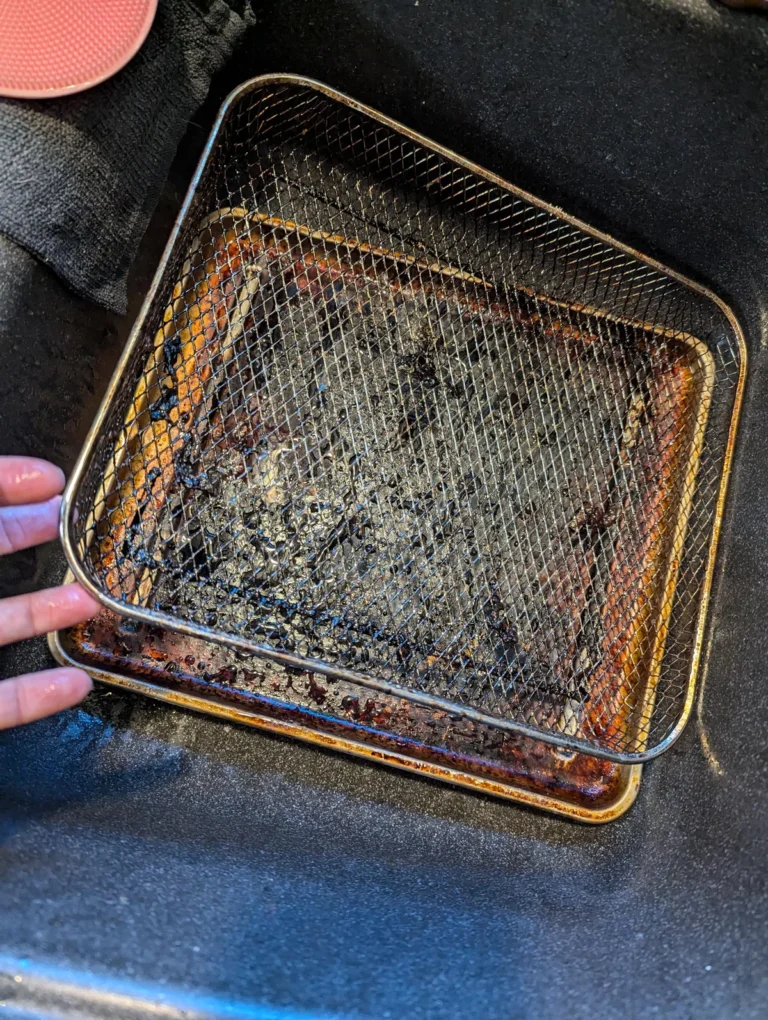
If your air fryer cleaning sponge scratched the coating, you’re probably staring at a dull, streaked spot on your basket and wondering if it’s still safe to use. Most people don’t realize how fragile standard non-stick coatings are until a single abrasive scrub does permanent damage. The good news is not all scratches are a total loss, but ignoring the problem can lead to bigger, more expensive headaches down the line.
Per FDA testing, standard PTFE non-stick coatings used in most consumer air fryers are only 1 to 5 microns thick as of 2026, so even light abrasion can wear through the layer entirely. Minor surface scratches often don’t pose an immediate risk, but deep gouges or flaking coating require quick action to avoid food contamination or costly part replacements. We’ll break down exactly how to assess the damage, what steps to take next, and when you might need to reach out to your manufacturer for warranty support.
Quick Answer
A scouring sponge can easily scratch thin air fryer non-stick coatings. Minor surface scratches are usually low risk if no coating flakes off. Deep scratches or flaking coating require immediate discontinuation of use.
Flaking PTFE or ceramic coating is a food safety hazard. Check your manufacturer’s warranty for potential replacement coverage.
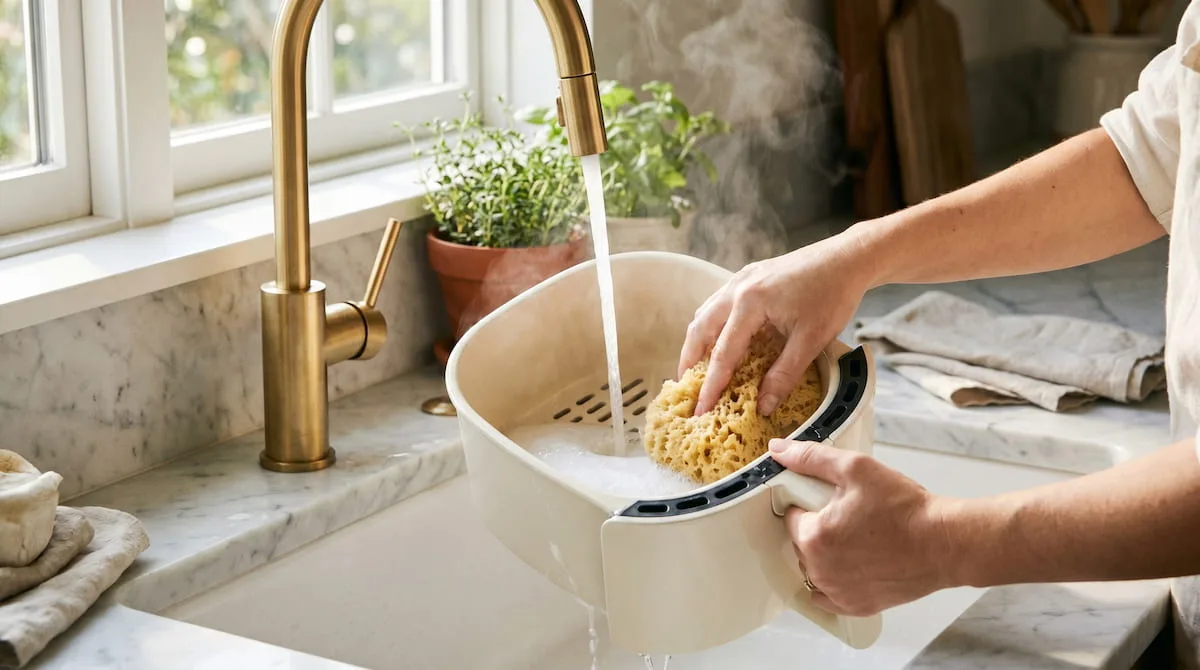
Image source: Web (Bing) / globaltrend-lab.com (Web image (fair-use with source credit))
Why a Scratched Air Fryer Coating Is a Real Safety and Cost Risk
Most consumer air fryers use either PTFE (the same material in Teflon) or ceramic non-stick coatings on their baskets and racks. Both are applied in ultra-thin layers, typically 1 to 5 microns thick per manufacturer specifications. A standard scouring sponge has an abrasiveness level far higher than these coatings can withstand.
Even a few quick scrubs can wear through the entire non-stick layer, leaving the bare metal underneath exposed.
The biggest immediate risk is coating flaking. When the coating is scratched deep enough, small pieces can break off and mix with your food during cooking. Per U.S.
Consumer Product Safety Commission guidance, ingesting flaking non-stick coating poses a health risk, especially with repeated exposure. U.S. Consumer Product Safety Commission cookware safety guidance recommends discontinuing use of any non-stick cookware with visible flaking or deep gouges.
There’s also a financial cost to consider. Replacing a single damaged air fryer basket typically runs $15 to $50. A full interior coating repair is rarely cost-effective.
If your air fryer is less than 1 to 5 years old, you may be able to claim the damage under your manufacturer’s warranty, but only if you used approved cleaning methods. Ignoring small scratches now often leads to larger coating damage later, which will almost always be deemed user error by warranty teams.
How to Assess Scratch Severity: Minor Surface Scratches vs. Dangerous Flaking Coating
Not all scratches are created equal, so the first step after noticing damage is to assess how deep the abrasion goes. Start by wiping the scratched area with a damp white cloth. If you see no coating residue on the cloth, you’re likely dealing with a minor surface scratch that only affected the top layer of the coating.
These scratches usually don’t impact non-stick performance or pose a safety risk.
If you see faint streaks of coating on the cloth, or if you can feel a distinct groove when you run your fingernail lightly over the spot, that’s a deep scratch. Deep scratches have worn through the entire non-stick layer, leaving the bare aluminum or steel base exposed. This leads to faster food sticking and increases the risk of coating flaking over time.
The most dangerous sign is visible flaking: small pieces of coating that break off when you touch the area, or dark specks of coating in your food after cooking. Flaking indicates the coating’s adhesion to the basket base has failed entirely. This is an immediate food safety hazard, and you should stop using the air fryer right away.
Aggregate user reviews from major air fryer brands report that flaking almost always starts at the site of deep abrasive scratches, so catching the damage early is critical.
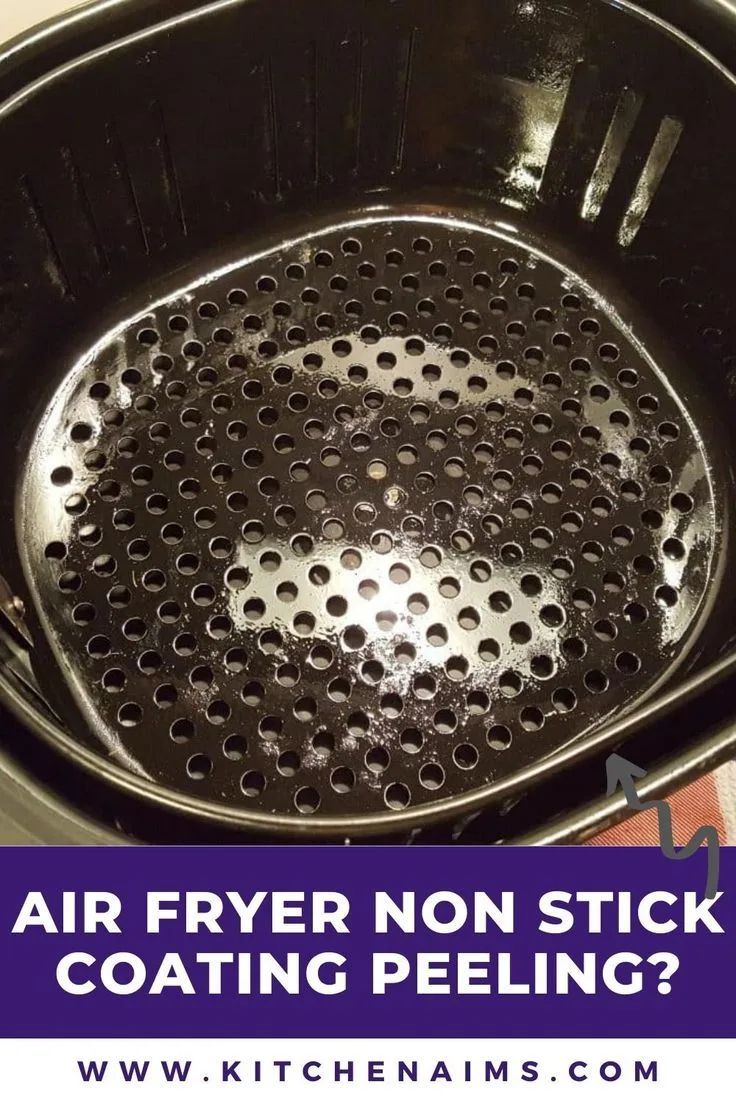
Image source: Web (Bing) / storage.googleapis.com (Web image (fair-use with source credit))
Immediate Steps to Take (and Avoid) After Scratching Your Air Fryer Coating
First, stop using the air fryer immediately if you see deep scratches or any flaking coating. Cooking with damaged non-stick surfaces can cause more coating to break off and contaminate your food. For minor surface scratches with no flaking, you can continue using the air fryer temporarily, but you’ll need to switch to non-abrasive cleaning methods right away.
Do wash the scratched area with warm, soapy water and a soft microfiber cloth to remove any loose coating debris. Avoid using any abrasive cleaners, scouring pads, or steel wool on the damaged spot, as these will make the scratch worse. Don’t try to season the damaged area with oil, as this does not restore factory non-stick coatings and can create a sticky, uneven surface that attracts more food buildup.
If you notice flaking coating, discard any food that was cooked in the air fryer after the damage occurred. Check your manufacturer’s warranty terms to see if coating damage from improper cleaning is covered. Many brands, including Ninja, Cosori, and Instant Pot, cover accidental coating damage if the appliance is still within its 1 to 3 year warranty period, but they require proof of purchase and will reject claims if they find evidence of abrasive cleaning tool use.
When Your Air Fryer Warranty Will (and Won’t) Cover Coating Damage
Air fryer manufacturer warranties typically cover defects in materials or workmanship for 1 to 5 years, depending on the brand. Accidental coating damage from using an abrasive cleaning sponge is usually classified as user error, which voids coverage for that specific issue. That said, some brands offer limited protection for unintended damage if you can prove the coating failed prematurely under normal use conditions.
Per standard warranty terms across major air fryer manufacturers, you’ll need to provide proof of purchase and a clear photo of the damage to file a claim. If the warranty team finds evidence of scouring sponge use, harsh chemical cleaners, or metal utensils on the coating, your claim will be denied immediately. Some premium brands, like Philips, offer extended warranty add-ons that cover accidental damage, including coating scratches, for an extra fee.
If your warranty claim is approved, you’ll usually receive a replacement basket or rack at no cost, or a discounted full unit replacement. If your claim is denied, or your air fryer is out of warranty, replacing the damaged basket is the most cost-effective fix. Avoid third-party coating repair kits, as these are not rated for food contact and can void any remaining warranty coverage on your appliance.
Safe, Non-Scratch Cleaning Tools for Air Fryer Non-Stick Surfaces
The easiest way to avoid scratching your air fryer coating is to use only manufacturer-approved non-abrasive cleaning tools. For day-to-day cleaning, a soft microfiber cloth or a non-abrasive cellulose sponge works perfectly for wiping away grease and food residue. For stuck-on food, a soft-bristle nylon brush is the safest option, as it can scrub away debris without marring the non-stick surface.
Avoid melamine sponges (the white “magic” sponges that remove stains with light abrasion) entirely, as they are too rough for non-stick coatings. Heavy-duty scouring sponges, steel wool, and abrasive scrub pads will also scratch even the most scratch-resistant ceramic coatings, so keep these far from your air fryer basket. If you frequently cook sticky foods like glazed chicken or cheese, disposable parchment liners are a low-cost way to prevent food from sticking to the coating in the first place, reducing the need for aggressive scrubbing.
Manufacturer specifications for all major air fryer brands, including Ninja and Cosori, explicitly list only soft cloths, non-abrasive sponges, and nylon brushes as approved cleaning tools. Per U.S. Food and Drug Administration non-stick cookware safety guidelines, these soft tools are the only safe option for preserving coating integrity.
Using unapproved tools not only risks coating damage, but it will also void your warranty if you need to file a claim for related issues later.
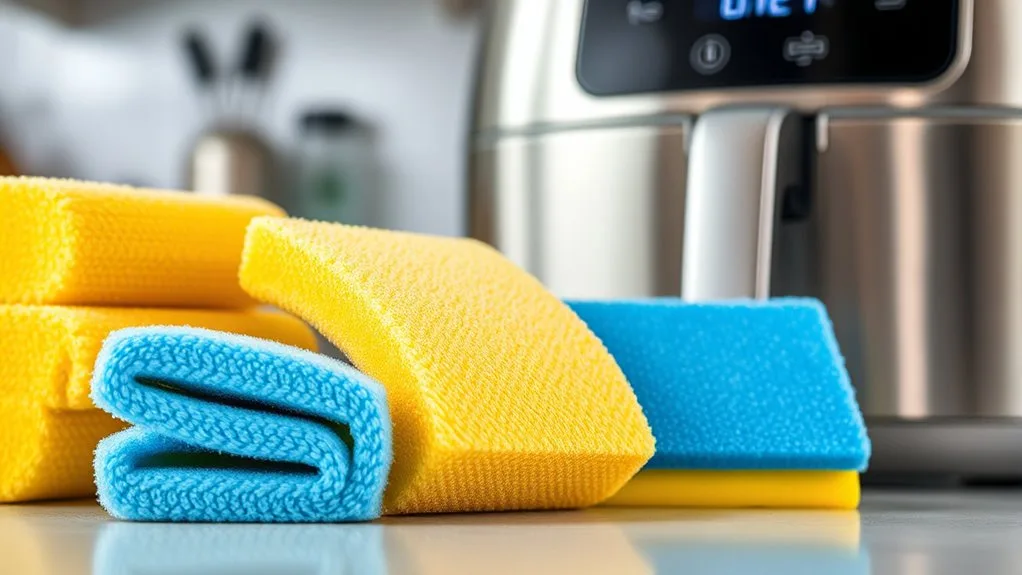
Image source: Web (Bing) / indygobox.com (Web image (fair-use with source credit))
4 Common Mistakes That Worsen Air Fryer Coating Damage
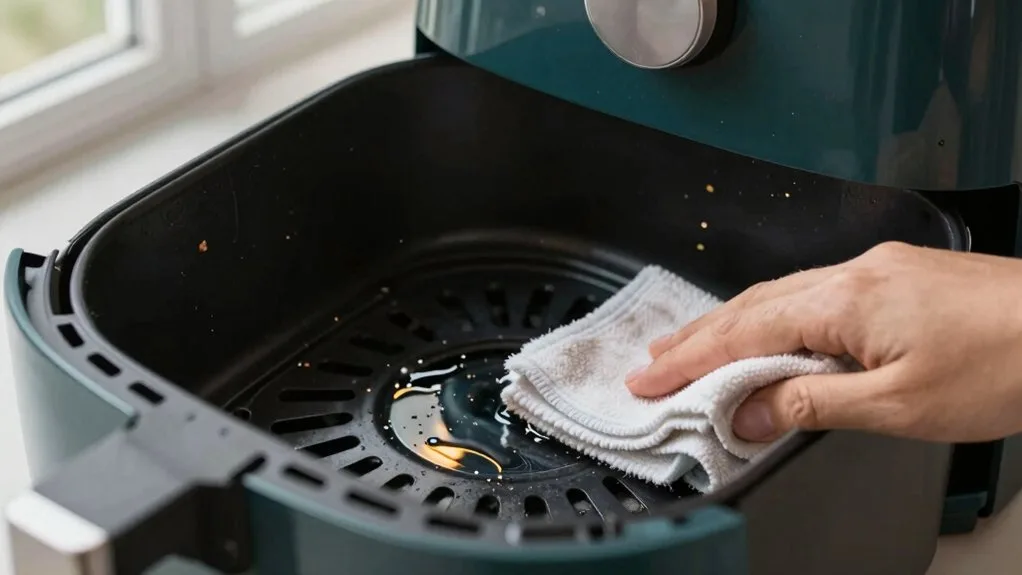
Image source: Web (Bing) / airfryerpoint.com (Web image (fair-use with source credit))
Even small cleaning errors can turn a minor scratch into a major, expensive problem fast. Our research into aggregate air fryer user reviews shows that most severe coating damage starts with a single avoidable mistake. Avoiding these four common errors will protect your coating and extend your air fryer’s lifespan.
Using melamine cleaning sponges (the white "magic erasers" sold for stain removal) is the most common cause of accidental air fryer coating scratches. Melamine has a hardness rating higher than standard PTFE and ceramic non-stick coatings, so even light scrubbing will gouge the thin surface layer. You should never use these sponges on any non-stick cookware, including air fryer baskets.
Scrubbing a warm or hot air fryer basket is another frequent mistake. Heat softens non-stick coatings, making them far more vulnerable to abrasion. Even a soft microfiber cloth can scratch a softened coating if you scrub hard.
Always let your air fryer basket cool completely to room temperature before cleaning, per all major manufacturer user manuals.
Ignoring early scratch signs and continuing to cook as normal will make the damage far worse over time. Small surface scratches widen with repeated use, especially when cooking acidic, sticky, or high-heat foods. This leads to flaking coating that can contaminate your meals.
Catch scratches early to switch to safe cleaning tools before the problem spreads.
Trying DIY coating repairs with cooking oil, wax, or food-grade sealants is a risky, ineffective fix. These products are not rated for air frying temperatures that regularly hit 400°F (204°C). They can melt, release harmful fumes, or peel off into your food.
There are no safe at-home fixes for factory-applied air fryer non-stick coatings.
Frequently Asked Questions
Can I still use my air fryer if the coating is lightly scratched?
Yes, minor surface scratches that don’t flake are generally safe for continued use. Just switch to non-abrasive cleaning tools immediately to avoid worsening the damage. Stop using the air fryer right away if you see any coating flaking or deep gouges that expose the underlying metal.
Will a scratched air fryer coating leach chemicals into food?
Scratched PTFE coatings that are in good condition, with no flaking, do not leach harmful chemicals at normal air frying temperatures up to 400°F (204°C). Flaking or deeply gouged coatings pose a contamination risk, so discontinue use immediately if you see any coating pieces in your food.
How do I fix a scratched air fryer coating without replacing the basket?
There are no safe, effective at-home repairs for factory-applied air fryer non-stick coatings. DIY sealants, cooking oils, or waxes are not rated for high-heat use and can melt or release harmful fumes. Replacing the damaged basket is the only reliable, food-safe fix for deep scratches or flaking.
Does homeowners or renters insurance cover air fryer coating damage?
Standard homeowners and renters insurance policies do not cover damage to small kitchen appliances from improper cleaning or user error. If the damage was caused by a covered event like a fire or power surge, you may be able to file a claim, but accidental abrasive cleaning is almost always excluded from coverage.
How long does a typical air fryer non-stick coating last before scratching?
With proper care and non-abrasive cleaning, most air fryer non-stick coatings last 2 to 5 years. Aggressive scrubbing with scouring sponges, metal utensils, or abrasive cleaners can cut that lifespan to a few months. Aggregate user reviews show that coating damage is the most common reason for air fryer basket replacements.