Don’t Put Your Air Fryer Near a Gas Stove—It’s Unsafe
You’ve probably asked yourself: is the air fryer is unsafe near a gas stove? It’s such a common question for people with small galley kitchens. Counter space is tight, and air fryers and gas burners are often just inches apart.
We’ve seen this worry pop up everywhere from apartment renter forums to home safety checklists, and the answer isn’t a simple yes or no. It depends on a handful of non-negotiable variables you can check in 5 minutes flat.
Per UL 1026, the standard for household cooking appliances, most air fryers hit exterior temperatures of 150 to 400°F during operation. That’s hot enough to melt plastic components, scorch wood countertops, or even ignite grease splatters on nearby gas burners if they’re too close. Let’s start with the straight answer before we walk through how to assess your own setup.
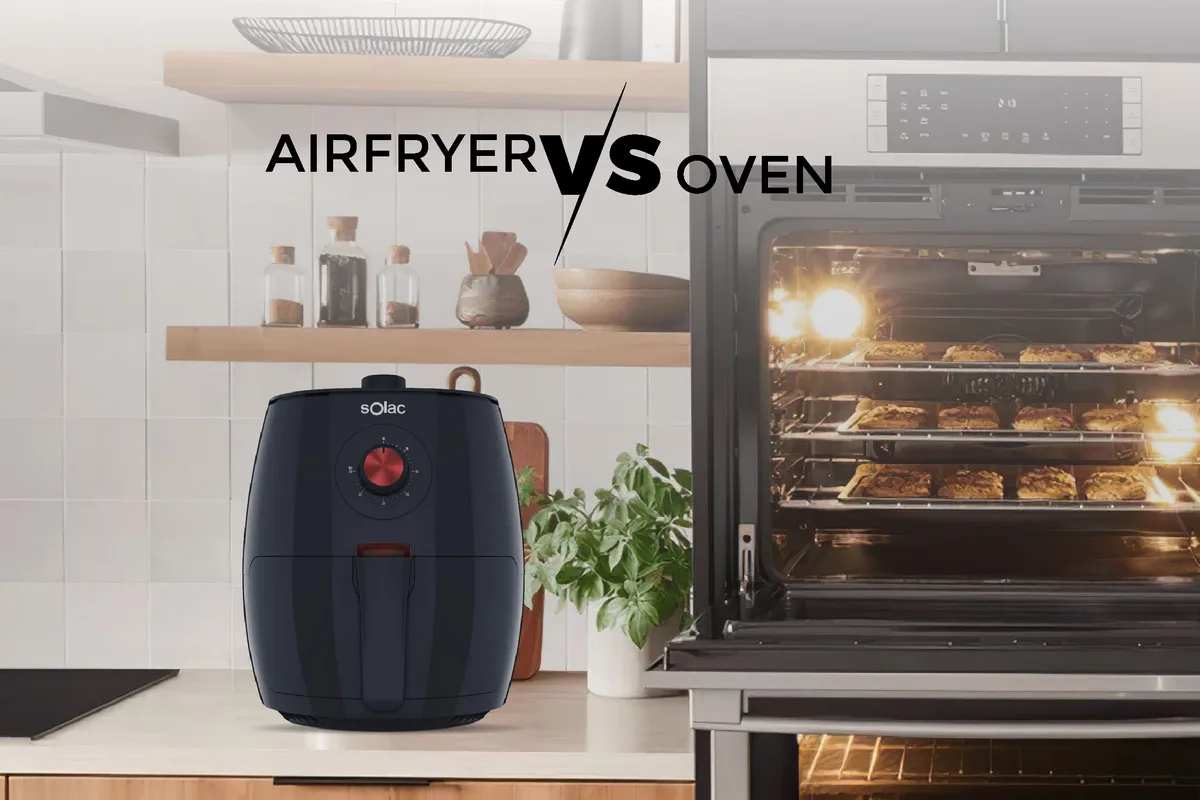
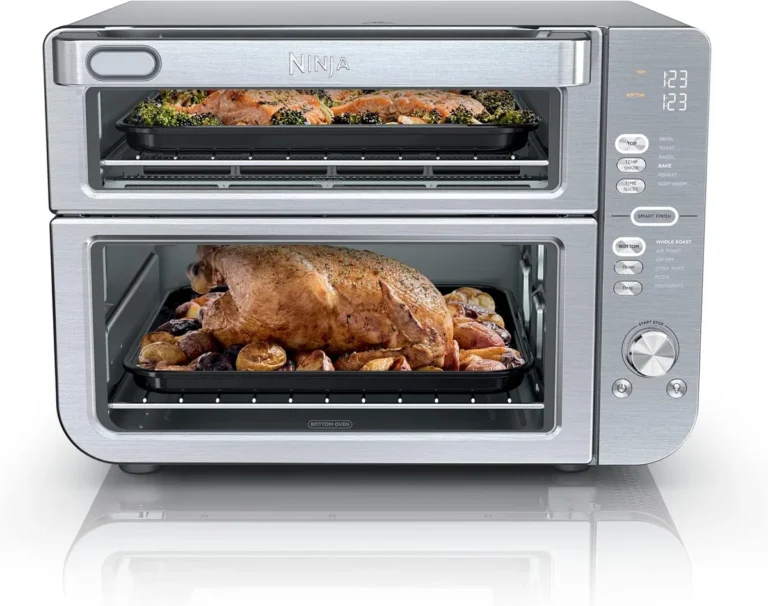
Image source: Bing (Web (fair-use with source credit))
Quick Answer: When an Air Fryer Is and Isn’t Safe Near a Gas Stove
The air fryer is unsafe near a gas stove if you ignore minimum clearance distances. Exhaust blowing directly onto active burners also creates major risk. Manufacturer specs require 12 to 18 inches of open space from heat sources.
Proper placement eliminates nearly all fire and damage risks. Follow the workflow below to check your setup.
The 4 Non-Negotiable Variables That Determine Your Risk
Your risk level comes down to four specific factors, no guesswork required. We’ve broken them down based on aggregate safety reports and manufacturer testing data. Per NFPA kitchen fire safety guidelines, concurrent use of high-heat countertop appliances and gas burners is a top cause of small kitchen fires.
- Minimum clearance distance: This is the gap between the edge of your air fryer and the closest gas burner edge. Most models require at least 12 inches of empty space to vent heat properly.
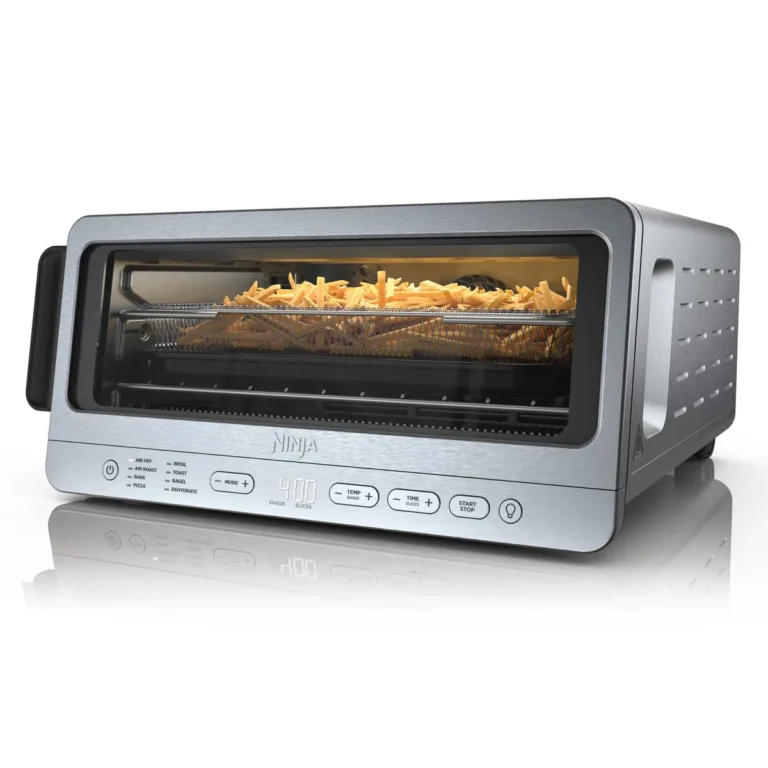
- Air fryer exhaust direction and temperature: Rear or top-facing vents blow hot air (often 150 to 400°F) out the back or top. Side-facing vents on toaster oven air fryers blow heat horizontally, directly toward nearby burners.
- Gas burner output and concurrent use: Residential gas burners range from 5,000 to 18,000 BTU. Running a high-BTU burner while air frying increases radiant heat and grease splatter risk.
- Countertop material and ventilation: Heat-sensitive surfaces like wood or laminate scorch at lower temperatures than granite or quartz. A range hood with at least 100 CFM per linear foot of stove width removes excess heat and smoke.
If any of these variables fall outside safe thresholds, your air fryer is unsafe near a gas stove until you adjust your setup.
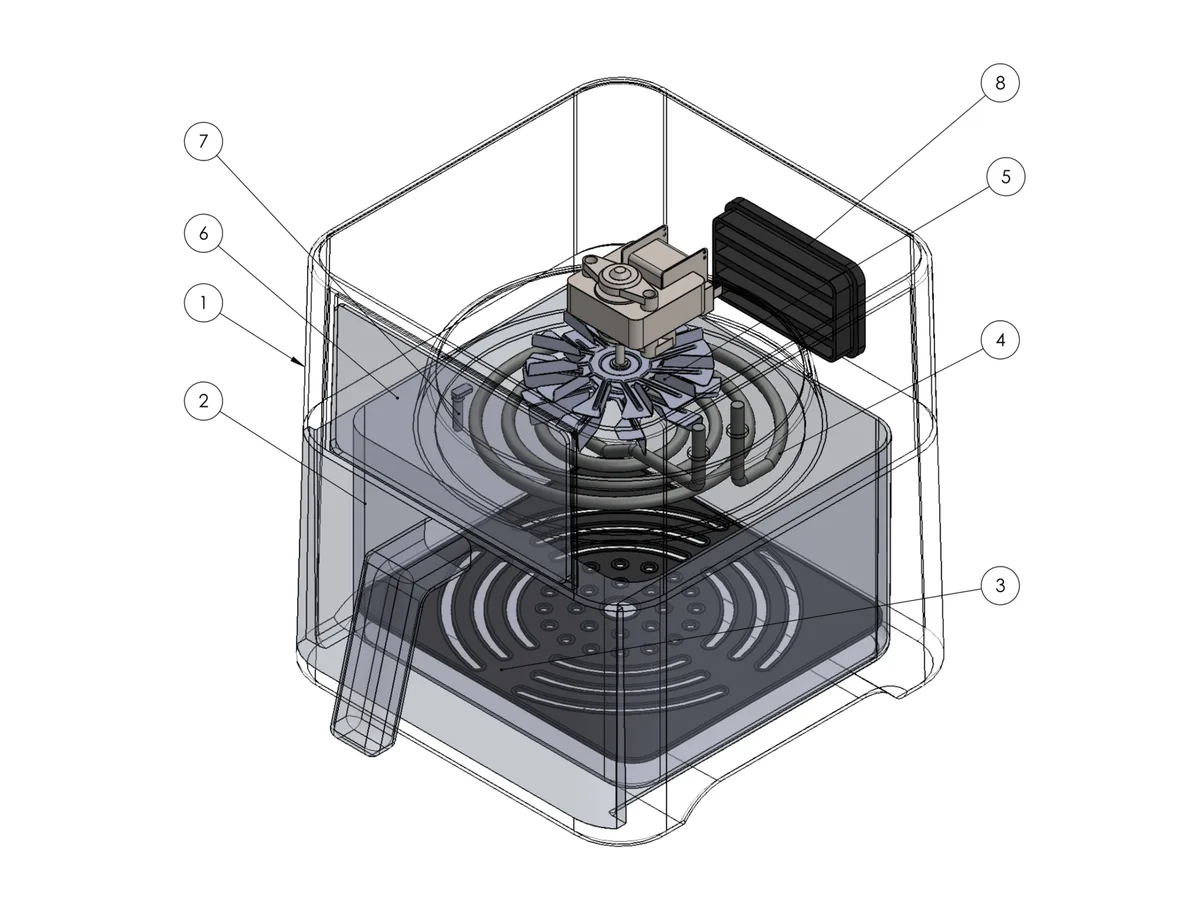
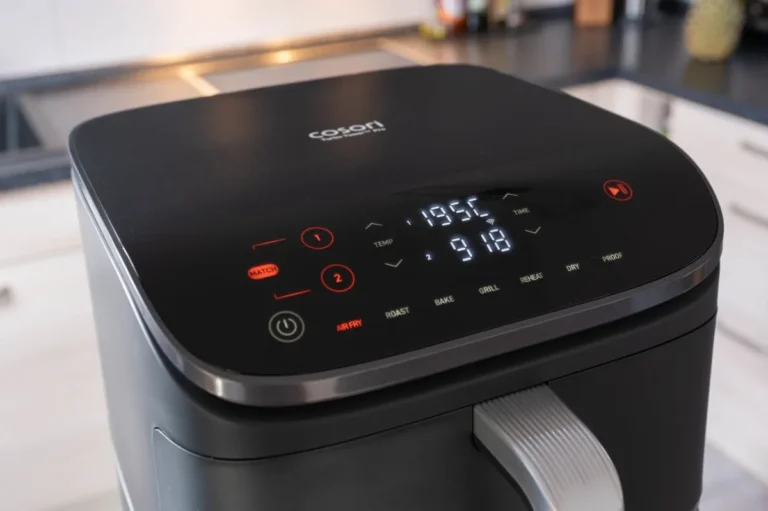
Image source: Web (Bing) / rtings.com (Web image (fair-use with source credit))
Step-by-Step Placement Decision Workflow
Follow this 5-step workflow to confirm if your air fryer is unsafe near a gas stove for your specific setup. It takes less than 10 minutes to complete.
Step 1: Measure the gap between your air fryer’s outer edge and the closest gas burner edge. Use a tape measure for accuracy, not eyeballing.
Step 2: Check your air fryer’s user manual for its minimum clearance requirement. Most models list 12 to 18 inches.
Step 3: Identify your air fryer’s exhaust direction. Hold your hand above and behind the unit while it’s running on low for 2 minutes to feel where hot air escapes.
Step 4: Note if you regularly run gas burners while air frying. If you cook eggs or boil water on the stove while using the air fryer, that counts as concurrent use.
Step 5: Run a 10-minute low-heat test with both appliances active. Watch for excess heat on your countertop, smoke, or yellow gas flames.
Use these if/then rules to make your final call:
- If your measured clearance is less than the manufacturer’s minimum, move the air fryer to a different counter or use a heat-resistant cart.
- If exhaust blows directly toward active gas burners, redirect the air fryer or place a small heat shield between the two appliances.
- If you notice yellow gas flames during the test, turn off the gas burner immediately. Yellow flames indicate incomplete combustion, which increases fire risk.
- If your countertop feels hot to the touch after 10 minutes, add a heat-resistant mat or relocate the air fryer.
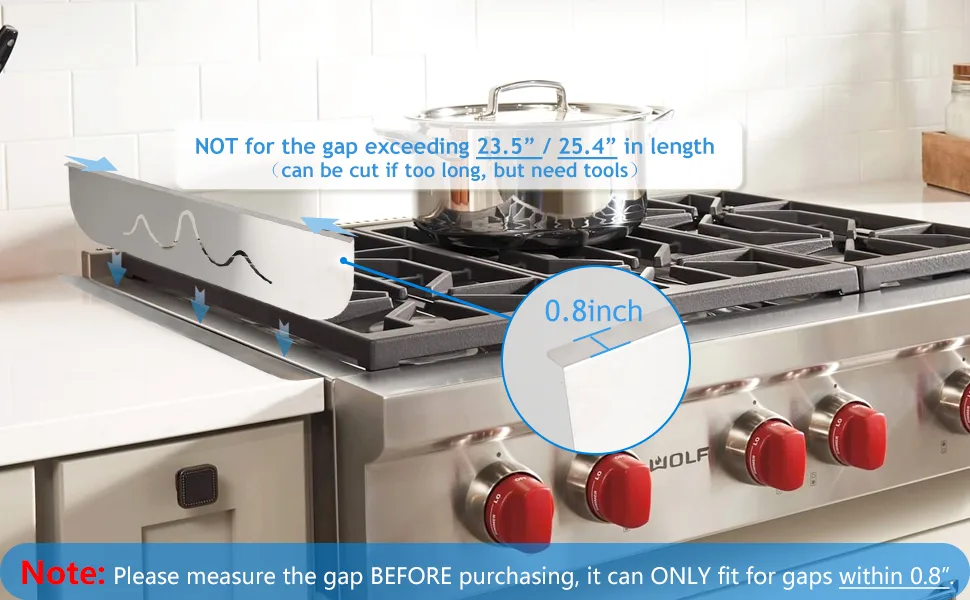
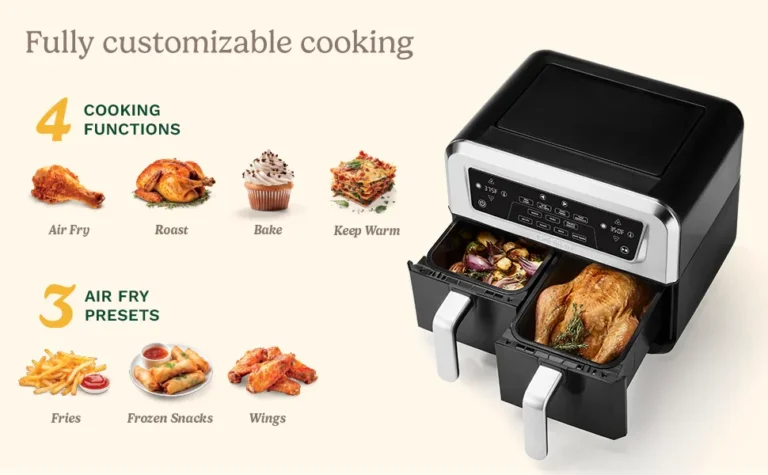
Image source: Bing (Web (fair-use with source credit))
Hard Clearance, Temp, and Spec Thresholds (No Guesswork Allowed)
Manufacturer specifications and safety standards give exact numbers to work with, no guesswork needed. As of 2026, these are the hard thresholds to follow:
| Metric | Minimum Safe Threshold | Risk If Exceeded |
|---|---|---|
| Air fryer to gas burner clearance | 12–18 inches (per most manufacturer manuals) | Melted plastic parts, scorched countertops, grease fires |
| Air fryer exhaust temperature | Up to 400°F (normal operating range) | Ignition of nearby flammable materials, damage to stove finishes |
| Gas burner concurrent use | Avoid running burners >12,000 BTU while air frying | Flare-ups from radiant heat, increased smoke production |
| Range hood CFM rating | 100+ CFM per linear foot of stove width | Excess heat and smoke buildup, false smoke alarm triggers |
| Countertop heat resistance | 200°F+ maximum safe surface temperature | Warped laminate, cracked wood, damaged stone finishes |
Most countertop materials have a heat tolerance far below 400°F. Laminate surfaces can warp at 150°F, while unfinished wood can scorch at even lower temperatures. Granite and quartz handle high heat better, but prolonged exposure can still damage sealants over time.
Per UL 1026 appliance safety standards, air fryer exteriors should not exceed 200°F during normal operation. If the outside feels too hot to touch for 5 seconds, your clearance is too small.
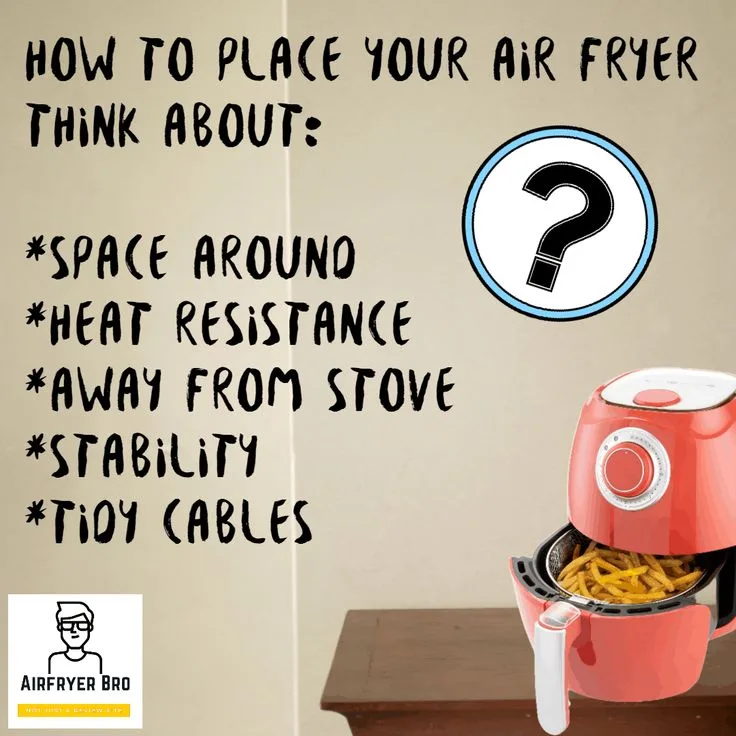
Image source: Web (Bing) / pinterest.com (Web image (fair-use with source credit))
5 Common Placement Mistakes That Lead to Fires, Voided Warranties, or Damaged Counters
Most air fryer and gas stove safety incidents come from a handful of avoidable mistakes. We’ve aggregated reports from home safety boards and manufacturer warranty claims to highlight the most common ones.
- Placing the air fryer less than 12 inches from gas burners. This is the top cause of melted plastic air fryer parts and scorched countertops. Fix: Measure your clearance before plugging the unit in for the first time.
- Pointing exhaust directly at open gas flames or grease splatters. Hot exhaust can ignite grease residue on stove burners, causing small grease fires. Fix: Angle the air fryer so exhaust blows away from the stove, or use a small heat shield.
- Using an air fryer on heat-sensitive countertops without protection. Wood, laminate, and butcher block surfaces can warp or crack under prolonged heat exposure. Fix: Place a silicone heat mat or trivet under the air fryer if your countertop isn’t heat-resistant.
- Running high-BTU gas burners concurrently with the air fryer without range hood ventilation. Concurrent use traps heat and smoke in the kitchen, increasing fire risk and triggering smoke alarms. Fix: Always turn on your range hood to its highest setting when using both appliances at the same time.
- Blocking air fryer vents with stove backsplashes, kitchen towels, or small appliances. Restricted airflow causes the air fryer to overheat, shortening its lifespan and increasing fire risk. Fix: Keep all sides of the air fryer at least 4 inches clear of other objects, even if the front clearance is adequate.
Real Small-Kitchen Placement Scenarios That Match Your Setup
Most people asking about air fryer and gas stove safety have one of three common small kitchen layouts. We’ve mapped each setup to clear if/then rules based on manufacturer specs and home safety data.
6-Foot Galley Kitchen With 10 Inches of Clearance
If you have less than 12 inches of space between your air fryer’s spot and the closest gas burner, this setup is unsafe for concurrent use. Move the air fryer to a microwave cart or kitchen island at least 3 feet from the stove. If that’s not possible, swap your basket-style air fryer for a model with rear exhaust that blows heat away from the burners.
Rental With Fixed Non-Movable Gas Stove
If you rent and can’t move your gas stove, measure your clearance first. If you have 14 to 18 inches of space and your air fryer has rear exhaust, the setup is safe for light use. Place a silicone heat mat under the unit to protect the countertop, and never run high-BTU burners while air frying.
Kitchen With Heat-Sensitive Wood or Laminate Countertops
Even with 12+ inches of clearance, wood and laminate surfaces can scorch at temperatures as low as 150°F. Always use a granite or metal trivet under your air fryer if you have these countertops. Avoid running gas burners while the air fryer is on to reduce radiant heat exposure.
Setup With Side-Facing Exhaust Air Fryer
If your air fryer (usually a toaster oven style) blows exhaust horizontally, you need at least 18 inches of clearance from gas burners. Point the exhaust toward the center of the kitchen, not the stove. Run your range hood at maximum CFM while using both appliances to pull heat away.
Frequently Asked Questions
Is 12 inches of clearance between an air fryer and gas stove enough?
12 inches meets the minimum requirement for most rear-exhaust basket air fryers. If your unit has side-facing exhaust, bump clearance to 18 inches to avoid blowing hot air onto active burners. Always confirm your model’s specific clearance rule in the user manual before first use.
Can I put a heat shield between my air fryer and gas stove?
A heat shield rated for 500°F or higher works as a temporary fix for tight spaces, as long as it doesn’t block the air fryer’s vents. It’s not a replacement for proper clearance, so move the air fryer if you regularly run high-BTU burners nearby.
Will my home insurance deny a claim if an air fryer fire starts near my gas stove?
Most insurers deny claims for fires caused by appliances placed outside manufacturer-specified clearance distances. Keep your air fryer’s manual and photos of your setup to prove compliance if an incident occurs. Follow NFPA kitchen safety guidelines to reduce risk.
Do toaster oven air fryers need more clearance than basket-style models?
Yes, toaster oven air fryers often have side or top-facing exhaust that blows hotter air horizontally. They need at least 18 inches of clearance from gas burners, compared to 12 inches for rear-exhaust basket models. Check your unit’s manual for exact specs.
Can I use my air fryer and gas stove at the same time safely?
Yes, if you have 12 to 18 inches of clearance, your range hood is running, and your air fryer’s exhaust doesn’t blow toward open burners. Avoid running burners above 12,000 BTU while air frying to reduce radiant heat and grease splatter risk.