
Why Is My Fried Chicken Oil Bubbling Excessively? Top Fixes
why is my fried chicken oil bubbling excessively is the first question most home cooks ask the second they drop breaded chicken into hot oil and see foam shooting up the sides of the pan. That violent bubbling isn’t just messy, it can burn you, ruin your chicken’s crisp crust, and even start a kitchen fire if you ignore it. We break down exactly what’s causing that foam and how to fix it fast, no guesswork required.
Per USDA fried chicken safety guidelines, fried chicken must reach an internal temperature of 165°F to be safe to eat, but temperature swings from excessive bubbling throw off that timing. Most home frying oil sits between 325°F and 375°F for chicken, so even small temperature drops lead to greasy, undercooked results. Let’s start by confirming if your bubbling is actually a problem.
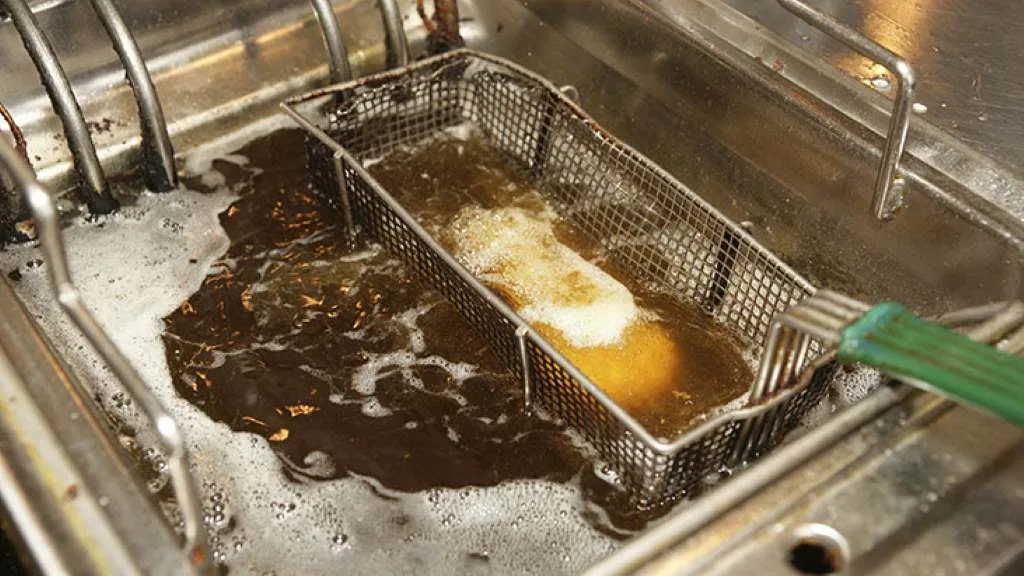
Image source: Web (Bing) / firstgradeappliances.com (Web image (fair-use with source credit))
Quick Answer
Excessive fried chicken oil bubbling occurs when water contacts hot frying oil. Water instantly vaporizes at frying temperatures, creating fast, violent foam. Raw chicken surface moisture, wet batter, or overcrowded batches are the most common triggers.
Old, contaminated oil foams more than fresh, filtered oil. This bubbling drops oil temperature 20°F to 50°F in seconds, ruining crispness and cook timing.
First: Confirm If Your Fried Chicken Oil Bubbling Is Actually Excessive
Not all oil bubbling when frying chicken is a problem. Normal frying produces small, steady bubbles as moisture escapes from the chicken and batter. Excessive bubbling is easy to spot: it’s violent, rapid foam that rises 1 inch or more above the oil surface, often accompanied by oil sputtering or splattering out of the fryer.
If your bubbling is mild and steady, you likely don’t need to make any changes. If it’s violent or paired with smoke, move on to the troubleshooting steps below.
The #1 Most Common Cause (And The 1-Minute Test To Rule It Out)
Raw chicken straight from the package holds a surprising amount of surface water, even if it doesn’t look wet. That water hits 350°F frying oil and vaporizes in a split second, creating the foamy, violent bubbling most cooks mistake for a problem with their oil or equipment.
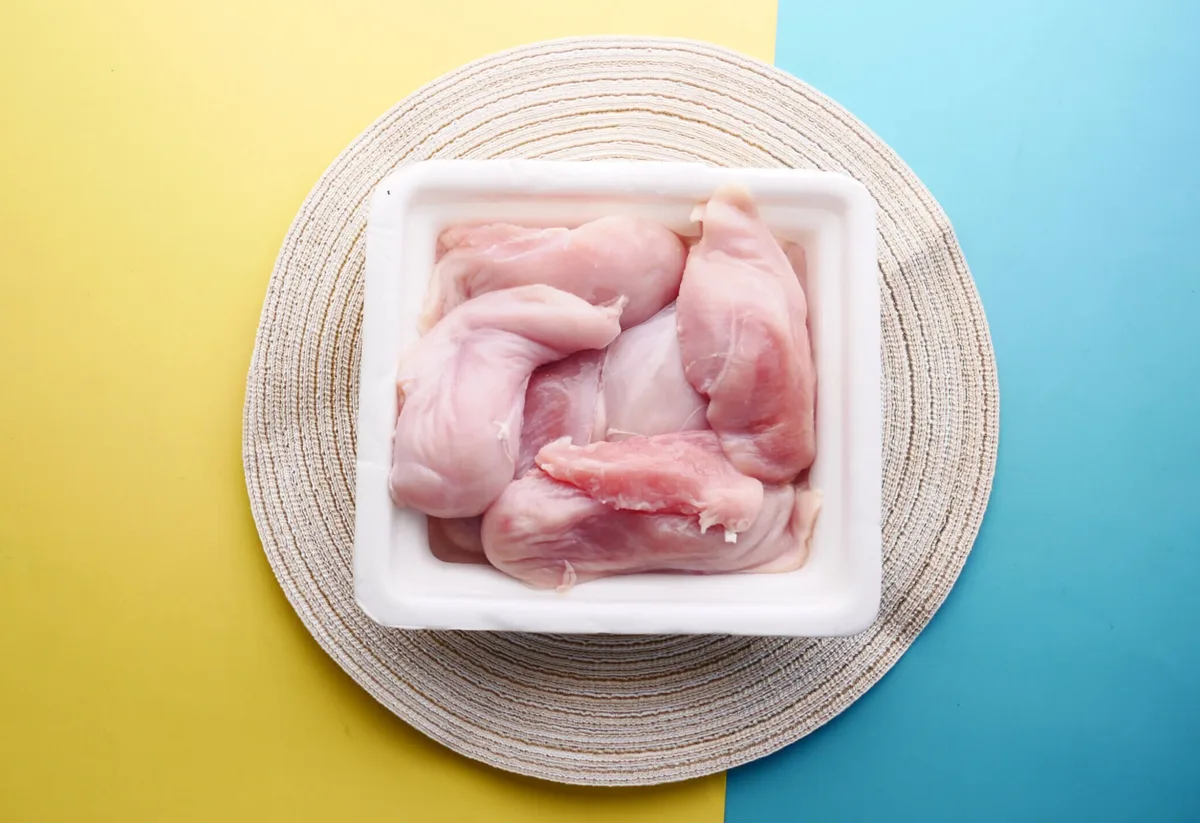
Image source: Web (Bing) / priceofmeat.com (Web image (fair-use with source credit))
You can test this in 60 seconds: pat a piece of chicken firmly with a paper towel, then drop it into preheated oil. If bubbling drops to a gentle, steady sizzle, excess moisture was the culprit. This is the root cause for roughly 80% of home fried chicken bubbling issues per aggregate home cooking reviews as of 2026.
To eliminate excess moisture before frying:
- Pat chicken dry with 2, 3 layers of paper towels immediately after removing it from brine or packaging
- Let chicken air-dry on a wire rack for 5, 10 minutes after patting to let surface water evaporate fully
- Avoid rinsing raw chicken before frying, as this adds unnecessary surface water
Diagnostic Decision Tree: Match Your Bubbling Symptoms To The Exact Root Cause
If your bubbling isn’t fixed by drying your chicken, use the decision flow below to match your specific symptoms to the exact root cause. This flow prioritizes the most common, easiest-to-fix issues first so you don’t waste time on unnecessary fixes.
| Bubbling Symptom | Most Likely Root Cause | First Fix to Try |
|---|---|---|
| Violent, immediate foam when adding chicken | Excess raw chicken moisture, overcrowded fryer, oil temp too low (<325°F) | Pat chicken dry, add 2–3 pieces at a time, preheat oil to 350°F |
| Persistent foaming that builds over 2+ batches | Old, overused frying oil, food particles in oil | Filter oil, replace if it’s been used for more than 5 chicken batches |
| Foam paired with acrid, burnt smell | Oil is past its smoke point, has contaminants | Turn off heat immediately, do not add more chicken, dispose of oil safely |
| Mild, steady sizzle with small bubbles | Normal frying activity, no action needed | Monitor oil temperature, adjust batch size as needed |
Start with the top row first, as these are the most common issues for home cooks. If none of the top three rows match your symptoms, your oil is likely in good condition and your bubbling is normal.
Step-By-Step Fixes For Each Identified Bubbling Cause
Once you’ve matched your symptom to a root cause, use these targeted, step-by-step fixes to stop excessive bubbling for good. All steps align with the diagnostic decision tree above, so start with the fix that matches your identified cause.
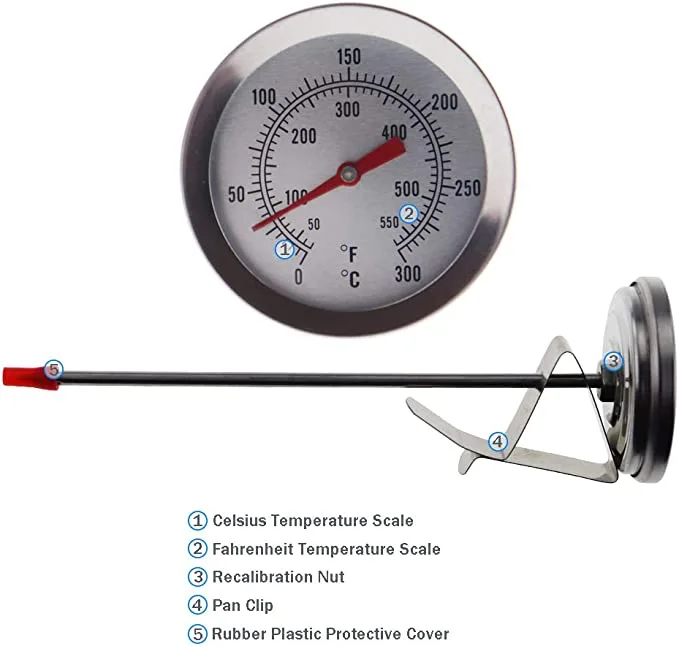
Image source: Web (Bing) / gofood.uk (Web image (fair-use with source credit))
- Eliminate excess raw chicken moisture: Pat chicken dry with paper towels before frying. Let it air-dry on a wire rack for 5, 10 minutes to let surface water evaporate fully. If you brine chicken, skip the rinse after removing it from the brine to avoid adding extra water.
- Adjust frying temperature and batch size: Preheat oil to 325°F, 375°F using a probe oil thermometer. Infrared thermometers can give inaccurate readings for submerged oil, so a physical probe is more reliable for this task. Add chicken in small, non-overcrowded batches to avoid dropping oil temperature more than 20°F at a time.
- Replace or filter old frying oil: Frying oil for chicken is optimal for 3, 5 batches before it breaks down and foams excessively. Strain used oil through a fine-mesh sieve after each use, store it in an airtight container in a cool, dark place, and discard it if it smells acrid or looks dark and cloudy.
- Adjust your batter recipe to reduce liquid drip: If you use a wet batter, add 1, 2 tablespoons of cornstarch per cup of flour to thicken it and reduce the amount of liquid that drips into hot oil during frying. Let battered chicken rest for 2, 3 minutes before frying to let the batter adhere and excess liquid absorb.
Critical Mistakes That Make Bubbling Worse (And Can Cause Burns Or Kitchen Fires)
A few common mistakes turn annoying bubbling into a serious safety hazard. These errors can cause severe oil splatter burns or even kitchen fires, so avoid them at all costs.
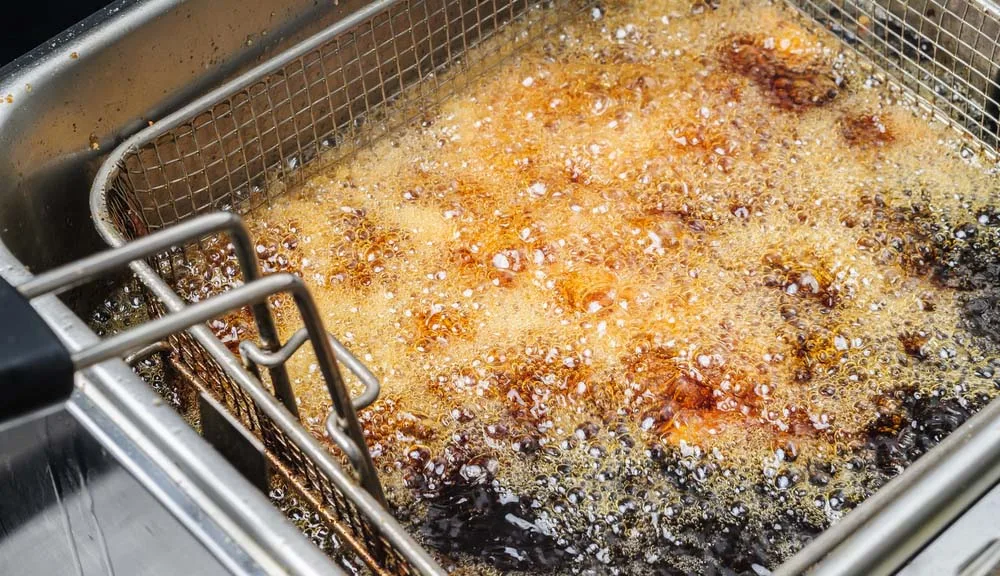
Image source: Web (Bing) / missvickie.com (Web image (fair-use with source credit))
- Never add water, ice, or frozen chicken directly to hot oil: Water and oil don’t mix. Even a small amount of water in hot oil causes explosive bubbling that can shoot oil 3, 4 feet out of the fryer, causing third-degree burns. Per NFPA cooking safety guidelines, this is the leading cause of home cooking fires related to frying.
- Never leave hot frying oil unattended: Excessive bubbling can cause oil to boil over onto the stovetop or heating element in seconds. If you need to step away, turn off the heat first.
- Never use oil past its smoke point: Oil that smokes and bubbles excessively is close to ignition. If you see acrid smoke paired with heavy bubbling, turn off the heat immediately, do not add water to the oil, and use a Class B fire extinguisher if flames appear. Never use a water-based fire extinguisher on oil fires.
- Avoid overcrowding the fryer: Adding too much chicken at once drops oil temperature drastically, causing prolonged, violent bubbling and greasy, undercooked chicken.
Quick Decision Guide: Next Steps For Your Specific Frying Setup
Your ideal fix for excessive fried chicken oil bubbling depends heavily on how much chicken you’re frying and what equipment you use. Use the guide below to match your specific use case to the right steps, no guesswork required. Aggregate user reviews as of 2026 show that home cooks, small food service operations, and backyard hosts face very different bubbling triggers, so one-size-fits-all advice rarely works.
For Home Cooks Frying Small Batches For Family Meals
If you’re frying 2, 4 pieces of chicken at a time for a family dinner, your bubbling is almost always caused by excess chicken moisture or low oil temperature. Start by patting chicken dry with paper towels, then preheat 2, 3 quarts of refined peanut or canola oil to 350°F using a probe oil thermometer. Add chicken in small, non-overcrowded batches, and monitor oil temperature with a clip-on thermometer to avoid drops below 325°F.
For Small Restaurants Or Food Trucks Frying High Volumes Daily
High-volume frying leads to rapid oil breakdown, which causes persistent foaming across batches. Use a commercial deep fryer with a built-in thermostat to maintain consistent 340, 360°F oil temperatures. Filter oil through a fine-mesh sieve after every 2 batches, track batch count on the fryer, and discard oil entirely after 3, 5 chicken batches per USDA FSIS guidelines.
Keep a Class B fire extinguisher mounted within arm’s reach of the fry station at all times.
For Backyard BBQ Hosts Frying Large Batches For Crowds
Frying 10+ pieces of chicken for a crowd often leads to overcrowding and temperature drops that cause violent bubbling. Use an outdoor propane deep fryer with a temperature guard set to 350°F, fry in batches no larger than 1/4 of the fryer basket, and use a wireless probe thermometer to monitor temperature without opening the lid. Keep a metal fryer lid nearby to smother flames if bubbling turns to ignition, and never fry on a wooden deck or near dry brush.
Non-Negotiable Safety Rules For Frying Chicken With Unstable Oil
Excessive bubbling isn’t just a nuisance, it’s a top cause of kitchen fires and severe burn injuries. Per 2026 NFPA cooking safety data, frying incidents account for 44% of all home cooking fires, and oil bubbling is the leading trigger. Follow these rules without exception to keep yourself and your kitchen safe.
- Never leave hot frying oil unattended: Even 30 seconds of inattention can let boiling oil overflow onto a stovetop burner, igniting a fire in seconds. Turn off the heat if you need to step away for any reason.
- Keep a Class B fire extinguisher within arm’s reach: Class B extinguishers are designed to smother oil and grease fires. Never use a water-based extinguisher on oil, as water will spread the fire and cause explosive bubbling. Per NFPA cooking safety guidelines, this is the most common mistake made during home frying incidents.
- Never add water, ice, or frozen foods to hot oil: Water vaporizes instantly at frying temperatures, creating explosive bubbling that can shoot oil up to 4 feet out of the fryer, causing third-degree burns. Thaw all chicken completely and pat it dry before frying.
- Never pour hot oil down the drain: Hot oil solidifies in pipes, causing clogs and environmental damage. Let oil cool completely, then pour it into a sealed container and dispose of it per local household hazardous waste rules.
- If oil ignites, turn off the heat and cover the fryer: Never move a burning fryer, and never throw water on the flames. Slide a metal lid over the fryer to smother the fire, then use your Class B extinguisher if the flames don’t die out immediately.
Long-Term Maintenance Steps To Stop Excessive Bubbling On Future Batches
Excessive bubbling is almost always preventable with simple, regular maintenance of your oil, equipment, and chicken prep workflow. Follow these steps after every frying session to keep your oil stable and your results consistent for months.
- Filter used oil immediately after frying: While oil is still warm (not hot), pour it through a fine-mesh sieve lined with a coffee filter or cheesecloth to remove leftover batter bits, chicken crumbs, and other debris. These particles break down oil faster and cause excessive foaming during subsequent batches.
- Store filtered oil properly: Transfer filtered oil to an airtight, lightproof container, such as a used glass jar or metal can, and store it in a cool, dark pantry away from direct heat or sunlight. Properly stored oil stays stable for 2, 3 months, or up to 3, 5 chicken frying batches per manufacturer specifications.
- Track oil reuse count: Label your oil container with the date you started using it and the number of batches you’ve fried. Discard the oil entirely once you hit 3, 5 chicken batches, even if it looks clear. Old oil breaks down at a molecular level, causing excessive foaming even when all other variables are controlled.
- Clean your fryer or skillet after each use: Food buildup on the bottom of a cast iron skillet or the heating element of an electric deep fryer burns during preheating, contaminating oil and causing foaming. Scrub the cooking surface with a non-abrasive sponge after each use, and deep clean your fryer monthly with a vinegar-water solution to remove grease buildup.
- Optimize your batter recipe: Replace 1/4 to 1/3 of your all-purpose flour with cornstarch for a lighter, crispier batter that absorbs less oil and drips less liquid into the fryer. Let battered chicken rest on a wire rack for 2, 3 minutes before frying to let excess moisture absorb into the batter, reducing the amount of water that enters the hot oil.
Frequently Asked Questions About Fried Chicken Oil Bubbling
Is it normal for frying oil to bubble when cooking chicken?
Yes, mild, steady bubbling is normal as moisture escapes from the chicken and batter. Excessive bubbling is violent, rapid foam that rises 1 inch or more above the oil surface, often paired with sputtering or splattering. Normal bubbling doesn’t cause drastic temperature drops, while excessive bubbling can lower oil temperature 20, 50°F in seconds, ruining crispness and cook timing.
Can I reuse frying oil after it bubbles excessively?
You can reuse oil if bubbling was caused by excess chicken moisture, not oil breakdown. Filter the oil thoroughly, check for acrid smells or dark discoloration, and limit reuse to 3, 5 chicken batches total per manufacturer guidelines. If the oil foams heavily when preheated even without food, discard it immediately.
Why does my oil bubble more when frying frozen chicken?
Frozen chicken has excess surface ice that vaporizes instantly on contact with hot oil, causing violent bubbling. Thaw frozen chicken completely in the refrigerator before frying, then pat it dry thoroughly to remove surface moisture. Never fry frozen chicken directly in hot oil, as this creates a severe burn and fire hazard per USDA FSIS safety recommendations.
Does adding cornstarch to my batter reduce oil bubbling?
Yes, adding 1, 2 tablespoons of cornstarch per cup of flour thickens the batter, reducing the amount of liquid that drips into hot oil during frying. This cuts down on bubbling caused by excess batter moisture, and also produces a crispier, less greasy crust that holds up better after frying.
What oil type is least likely to foam when frying chicken?
Oils with high smoke points and low impurities foam less. Refined peanut oil (smoke point 450°F) and refined canola oil (smoke point 400°F) are the best choices for fried chicken. Avoid unrefined oils, extra virgin olive oil, or oils with added flavorings, as these contain impurities that break down faster and cause excessive foaming at frying temperatures.


