
What Is Woody Breast in Chicken? Signs & Causes Explained
Wondering what is woody breast in chicken after biting into tough, rubbery meat? You're not alone, because this muscle condition has quietly spread through supermarket poultry over the past decade. It doesn't come from bacteria or sloppy handling.
The bird simply grew too big, too fast, and its breast muscle paid the price.
The numbers behind it are striking. Modern broilers like the Ross 308 hit market weight in just six to seven weeks, and those rapidly growing breast muscles sometimes outpace their own blood supply. Industry analyses put annual losses in the hundreds of millions of dollars.
Here's the fastest way to get up to speed.
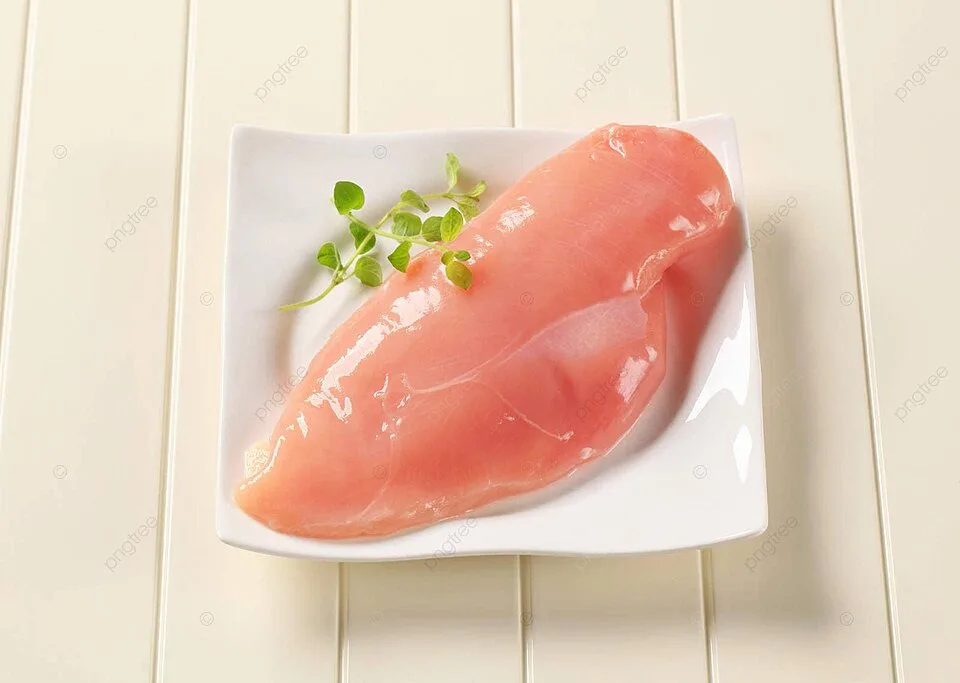
Woody Breast in Chicken: The Quick Answer
Woody breast in chicken is a muscle condition that hardens fillets. It turns the meat pale, stiff, and squeaky when you chew it. Fast-growing broiler chickens develop it most often.
The condition is safe to eat, just unpleasant. A simple squeeze test catches it before cooking.
What Woody Breast Actually Is (and Why Fast-Growing Birds Get It)
Woody breast is a myopathy, a fancy word for structural damage in the muscle itself. It strikes the Pectoralis major, the large fillet muscle on every boneless breast. Healthy muscle fibers die off and get replaced by stiff connective tissue.
Scientists call that replacement process fibrosis, and it's why the meat feels rigid even raw.
The driver is growth speed. Commercial broilers pack on breast mass so quickly that muscle fibers outgrow their blood supply. Oxygen-starved fibers break down, and scar-like tissue fills the gaps.
Heat stress during hot summer grow-outs makes the damage worse, which explains why tough-chicken complaints spike in warm months.
Processors sort affected fillets on a zero-to-three palpation scale, ranging from normal to severe. Mild cases feel slightly firm. Severe ones feel like cutting boards.
Teams at the USDA Agricultural Research Service and several land-grant universities have studied the condition since it surfaced commercially around 2013. As of 2026, there's still no fix once the damage is done, because it happens inside the living bird.
One more thing worth knowing: woody breast rarely travels alone. It belongs to a trio of growth-related defects.
- Woody breast: hard, pale, rigid fillets
- White striping: white fat streaks running along the grain
- Spaghetti meat: stringy fibers that fall apart
All three trace back to the same cause. We'll separate them visually in a moment.
Why Photos Only Get You So Far: This Is a Hands-On Diagnosis
Photos teach you the pale, glassy look, but they miss the single most reliable clue: firmness. A mild case can photograph almost normally. Meanwhile, a healthy fillet under harsh supermarket lighting can look deceptively pale.
Your fingertips beat any camera here.
Timing matters too. Once the breast hits the pan, diagnosis gets murky, because overcooking also toughens meat. The squeeze test only works on raw fillets.
That means the decision happens in your kitchen or at the store, not after dinner disappoints you.
There's a practical wrinkle, though. Many stores shrink-wrap packs so tight you can't judge firmness through them. If that's your situation, change what you grab instead.
Smaller fillets, thighs, and whole birds dodge the worst cases. We'll get to those buying cues shortly.
How to Identify Woody Breast: Look, Press, Sniff
Think of this as a three-step inspection. It takes about thirty seconds per package.
The 10-Second Squeeze Test
This is your primary tool, and it's dead simple.
- Lay the raw fillet flat with the thick end facing you.
- Press firmly into the center of that thick end with your thumb.
- Watch how the meat responds.
Normal breast gives softly and springs back right away. Woody breast pushes back like a stress ball filled with sand. Severe cases stay dented or barely compress at all.
If a pack holds several breasts, press each one, because severity varies piece to piece.
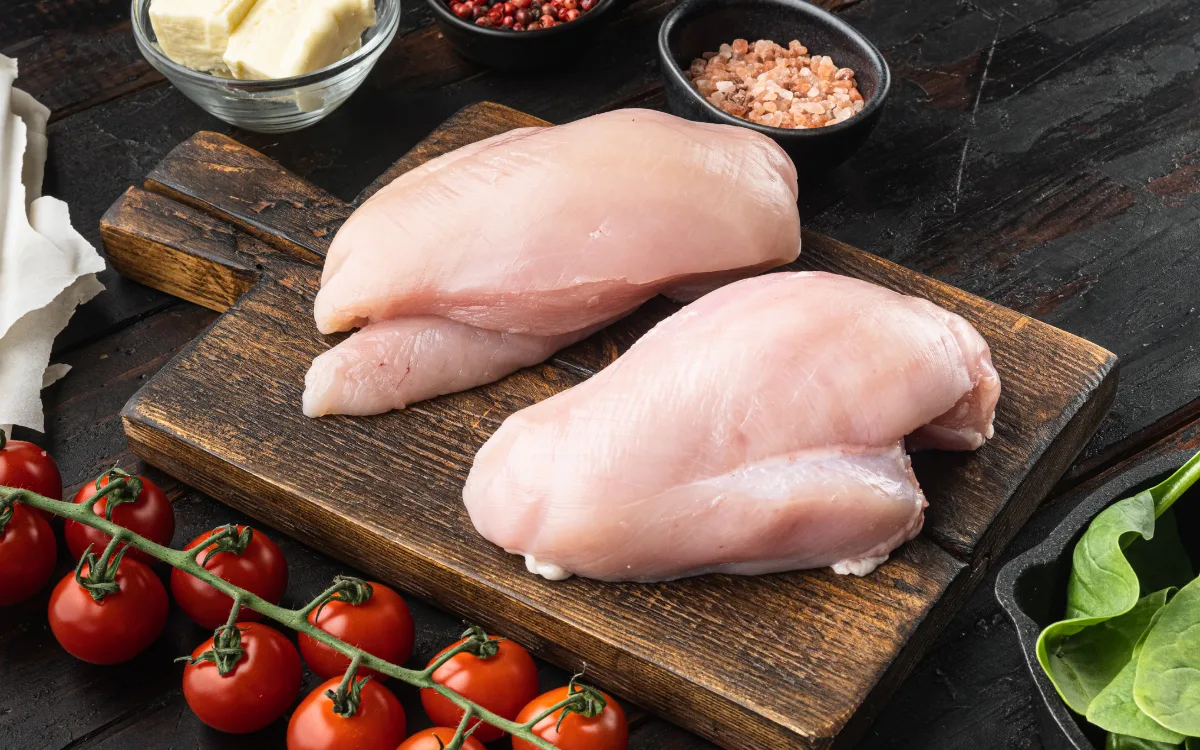
Color and Surface Clues
Look for a pale, glassy sheen instead of the soft pink translucence you'd expect. Affected fillets often look unnaturally smooth and dense, almost plastic-wrapped in appearance even outside the wrap. You may also notice excess liquid pooling in the tray.
Two cautions here. First, color alone never confirms anything, since lighting and brine injection skew appearances. Second, paleness is not spoilage, which has its own unmistakable signs coming up.
Where to Feel It
Hardness concentrates in the upper portion of the fillet, the fat end nearest where the wishbone sits. The tapered tail often feels completely normal even on badly affected pieces. Always test the thickest cross-section, because that's where the muscle grew fastest.
Run all three checks together. Eyes narrow the suspects, the squeeze confirms, and your nose clears the meat of spoilage concerns. That combination catches virtually every real-world case.
Woody Breast vs. White Striping vs. Spaghetti Meat vs. Spoiled Chicken
Most confusion comes from mixing up conditions that share shelf space. This table sorts them fast.
| Condition | What You See | Texture | Safe to Eat? |
|---|---|---|---|
| Woody breast | Pale, glassy, dense surface | Board-hard thick end, weak bounce-back | Yes |
| White striping | Thin white streaks along the grain | Close to normal firmness | Yes |
| Spaghetti meat | Stringy fibers pulling apart | Soft, falls apart | Yes |
| Spoiled chicken | Gray tint, slick film, sour smell | Sticky, slimy | No |
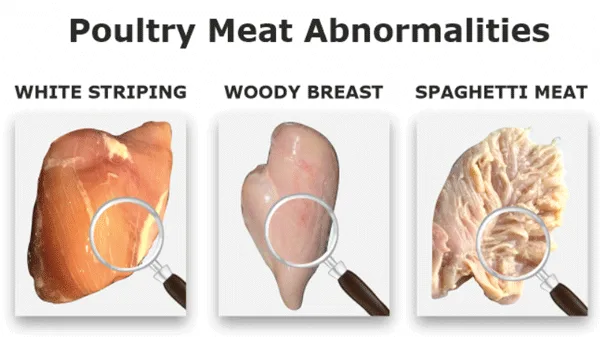
Notice the pattern in the photo above. White striping shows fat deposits as visible lines, but the fillet underneath still behaves like normal meat. Woody breast hides fewer clues visually and reveals itself through touch instead.
Spaghetti meat is the opposite problem, too soft rather than too hard.
Spoilage stands apart from all three. Off odors, sticky residue, and green-gray coloring mean bacteria, and no amount of cooking makes that safe. When in doubt, toss it.
The USDA Food Safety and Inspection Service treats the growth-related trio purely as quality issues, while spoilage is a genuine safety failure.
The Purge Confusion: Package Liquid Isn't Spoilage
Here's the mistake we see most often. You open a pack, find pinkish liquid pooled at the bottom, and assume the chicken turned. That liquid, called purge, is just water and myoglobin squeezed out of the muscle.
Woody breast actually produces more of it, because damaged tissue holds water poorly.
Judge spoilage by smell and surface feel, never by tray juice. Clear or lightly rosy liquid with a fresh scent means proceed. Cloudy, foul-smelling slime means stop.
Common Mistakes People Make When Checking Chicken Breasts
Most failed checks come down to a handful of repeat errors. Dodge these and your thirty-second inspection becomes nearly foolproof.
- Trusting color alone. Store lighting flatters everything, and salt-solution injection lightens normal meat too. Color narrows suspects, it never convicts.
- Squeezing through tight shrink-wrap. Heavy wrapping compresses every fillet into fake uniformity. If you can't touch the meat directly, fall back on fillet size and pack date.
- Pressing the wrong spot. The thin tail end always feels soft. Test the thick wishbone end or you'll miss the worst hardness entirely.
- Diagnosing after cooking. Overcooking produces the same rubbery chew. By dinner time, your evidence is gone.
- Clearing the whole pack off one good fillet. Severity varies piece to piece. Check every breast in the tray.
- Tossing pale meat on sight. Pale isn't spoiled. Your nose and the surface feel make that call, not color.
One mistake deserves special mention because we covered it earlier: pinkish purge in the tray. That's water loss from damaged tissue, not rot. Smell decides, juice doesn't.
Is Woody Breast Safe to Eat? What USDA Says About It
Yes, it's completely safe. The USDA Food Safety and Inspection Service classifies woody breast as a quality defect, not an adulteration. That distinction matters legally.
Because nothing contaminated the meat, there's no recall pathway and no violation when it reaches shelves.
Here's what the condition is and isn't:
- It's structural damage inside the muscle fiber, driven by growth rate
- It's not bacterial, viral, or chemical contamination
- It's not linked to antibiotic residue
- It's not caused by hormones, which have been illegal in US poultry production for decades
Nutrition stays essentially intact too. Severe fillets carry somewhat more connective tissue and intramuscular fat, and research shows protein digestibility dips slightly. For everyday eating, the difference is negligible.
You're trading pleasure, not safety.
One warning worth repeating, because the safe-to-eat message can blur judgment. Woody breast never produces sour odors, sticky film, or green-gray coloring. If your chicken shows those signs, that's genuine spoilage from bacterial growth.
Discard it regardless of how firm or pale it feels. And the usual handling rules still apply: keep raw poultry below 40°F, prevent cross-contamination, and cook to 165°F internal temperature.
Can You Fix It? Brines, Braising, and Other Kitchen Workarounds
Short answer: you can't undo it, but you can hide it well. Fibrosis is permanent scar-like tissue inside the muscle, so no soak or sauce reverses it. The realistic goal is masking toughness with moisture and preparation style.
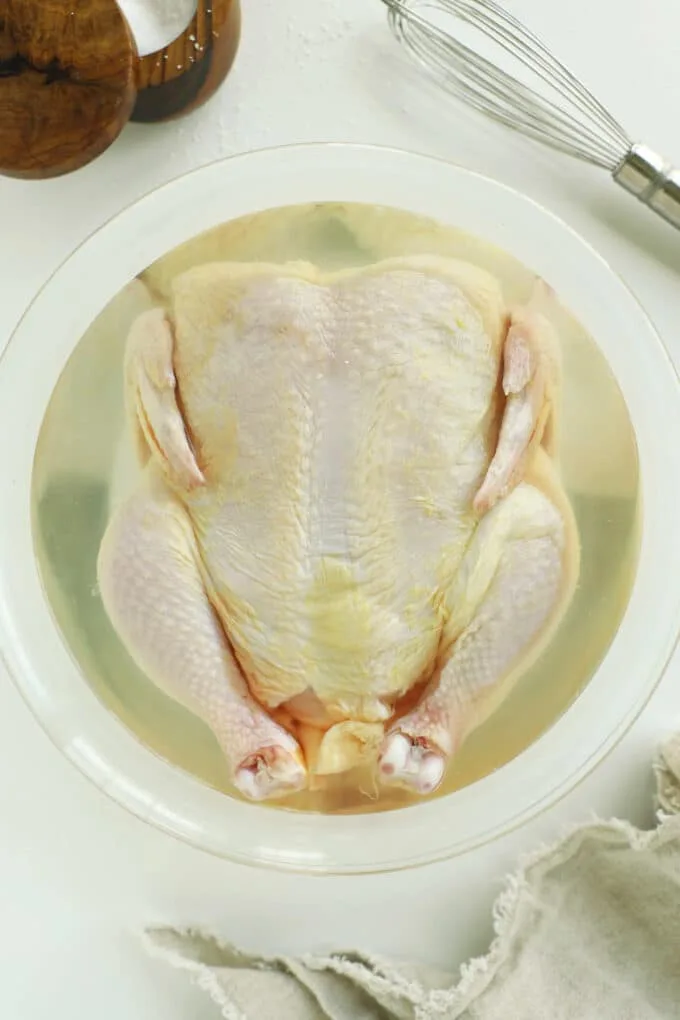
The challenge is that damaged tissue behaves badly in the pan. It absorbs brines and marinades poorly, holds water badly, and sheds extra moisture during cooking. Research on water-holding capacity confirms severely affected fillets lose noticeably more weight as cook loss than normal ones.
High dry heat makes that worse fast.
This table ranks your options honestly:
| Method | Works Best For | Honest Result |
|---|---|---|
| Overnight salt brine | Mild to moderate fillets | Jucier bite, modest softening |
| Poach, then shred | Moderate to severe | Toughness vanishes into shredded dishes |
| Thin slices against the grain | Any severity | Shorter fibers mean easier chewing |
| Braise or slow-cook | Severe cases | Moisture masks most of the problem |
| Grill whole over high heat | Nothing | Worst choice, dries out quickly |
For the brine, keep it simple. Dissolve a quarter cup of kosher salt in four cups of cold water. Submerge the fillets eight to twelve hours in the fridge, then pat dry.
Acid-heavy marinades add flavor on the surface, but uptake is weak in affected meat, so don't expect tenderizing miracles from them.
When to Salvage and When to Toss It Back
Salvage when the fillet tests mildly or moderately firm, smells fresh, and your meal plan suits wet cooking. Shredded tacos, chicken soup, and casseroles forgive woody breast completely. Braised preparations work nearly as well.
Push back when the fillet feels board-hard, especially if you paid premium prices. Take it to the customer service desk and name the condition directly. Stores refund quality complaints far more readily when you say "woody breast" instead of vague dissatisfaction.
And if any spoilage sign appears alongside the firmness, skip the debate and throw the whole pack out.
How to Avoid Buying It: Fillet Size, Breed, and Label Cues
Prevention beats salvage every time, and your choices at the counter shift the odds dramatically. Severity tracks fillet size, so start there.
| Cue | Why It Lowers Risk |
|---|---|
| Small or medium fillets | Severe cases cluster in jumbo breasts |
| Thighs, drumsticks, or whole birds | Only the Pectoralis major develops it |
| Slow-grown breed labels | Longer grow-outs produce healthier muscle |
| Butcher counter shopping | You can squeeze before you pay |
Size matters because the biggest breasts come from birds bred for extreme yield, and those same birds dominate severe-case statistics. Choosing cutlets or smaller breasts quietly steers you away from the worst genetics. Dark meat sidesteps the issue entirely, since thigh muscle simply doesn't grow fast enough to break down.
Breed labels help more than shoppers realize. Conventional broilers like the Ross 308 and Cobb 500 reach market weight in six to seven weeks. Slower-growing breeds such as Red Ranger and Freedom Ranger need eleven to fourteen weeks, and published research ties that slower pace to lower myopathy rates.
Pasture-raised and organic claims usually point toward those slower programs.
Two caveats keep expectations honest. First, no label guarantees anything, because even premium brands sometimes source from fast-growing flocks. Second, season matters: hot-weather grow-outs stress birds and raise incidence, so late-summer packages carry higher odds.
When a shrink-wrapped pack gives you nothing to press, grab smaller fillets and lean on the label cues instead.
FAQs About Woody Breast in Chicken
Is woody breast the same thing as white striping?
No. White striping appears as visible white fat lines running along the grain, while firmness stays close to normal. Woody breast changes how the meat feels, hard and rigid, often with few visible lines.
Both trace back to rapid growth and often show up in the same flock.
Can you detect woody breast after cooking?
Not reliably. Overcooking creates the identical rubbery chew, so cooked texture proves nothing. The raw squeeze test remains your dependable window.
Once heat hits the pan, your best evidence is gone.
Does an overnight marinade fix woody breast?
It helps a little and cures nothing. Damaged tissue absorbs liquid poorly, so acid marinades mostly flavor the surface. A salt brine accomplishes more, adding moisture and modest softness.
Plan on improvement, not reversal.
Are antibiotics or hormones responsible?
Neither plays any role. Antibiotic residue and added hormones have nothing to do with the condition. Hormone use in US poultry production has been illegal for decades anyway.
Genetics and growth speed cause woody breast, full stop.
Why do chicken thighs never get woody breast?
The condition targets the Pectoralis major, the large breast muscle that modern broilers grow fastest. Thigh muscles develop at a saner pace, so their fibers stay intact. That's why dark-meat cuts sidestep the problem entirely.
Who should I contact about tough chicken I bought?
Start with the store or the brand, since FSIS treats woody breast as a quality matter rather than a regulatory violation. Name the condition specifically when you complain. If you suspect true spoilage or mislabeling, USDA's Meat and Poultry Hotline handles those reports directly.
The Bottom Line: Your 30-Second Chicken Check
You now have everything needed to catch this defect before it ruins dinner. Run the same routine every time, because consistency beats cleverness here.
Your counter-side checklist:
- Look for pale, glassy skin and excess tray liquid
- Press the thick wishbone end with your thumb
- Feel for sandbag stiffness instead of soft spring-back
- Sniff for sourness or stickiness that means spoilage instead
Then let the squeeze result drive your decision:
| Squeeze Result | Verdict | Your Move |
|---|---|---|
| Soft, springs back instantly | Normal fillet | Cook however you like |
| Firm but still gives slightly | Mild case | Brine overnight, then shred or slice thin |
| Board-hard, stays dented | Severe case | Braise it, or return it to the store |
That's the whole skill. Photos get you familiar with the pale look, but your thumb makes the actual call every time. If shrink-wrap blocks the press, fall back on smaller fillets, thighs, and slower-grown breed labels to tilt the odds your way.
One last framing helps everything click. This condition costs the poultry industry hundreds of millions annually, yet it's purely a quality problem, never a safety one. You won't get sick from woody breast.
You'll just chew longer than you should. Learn the feel once, and you'll never pay premium prices for cutting-board chicken again.


